
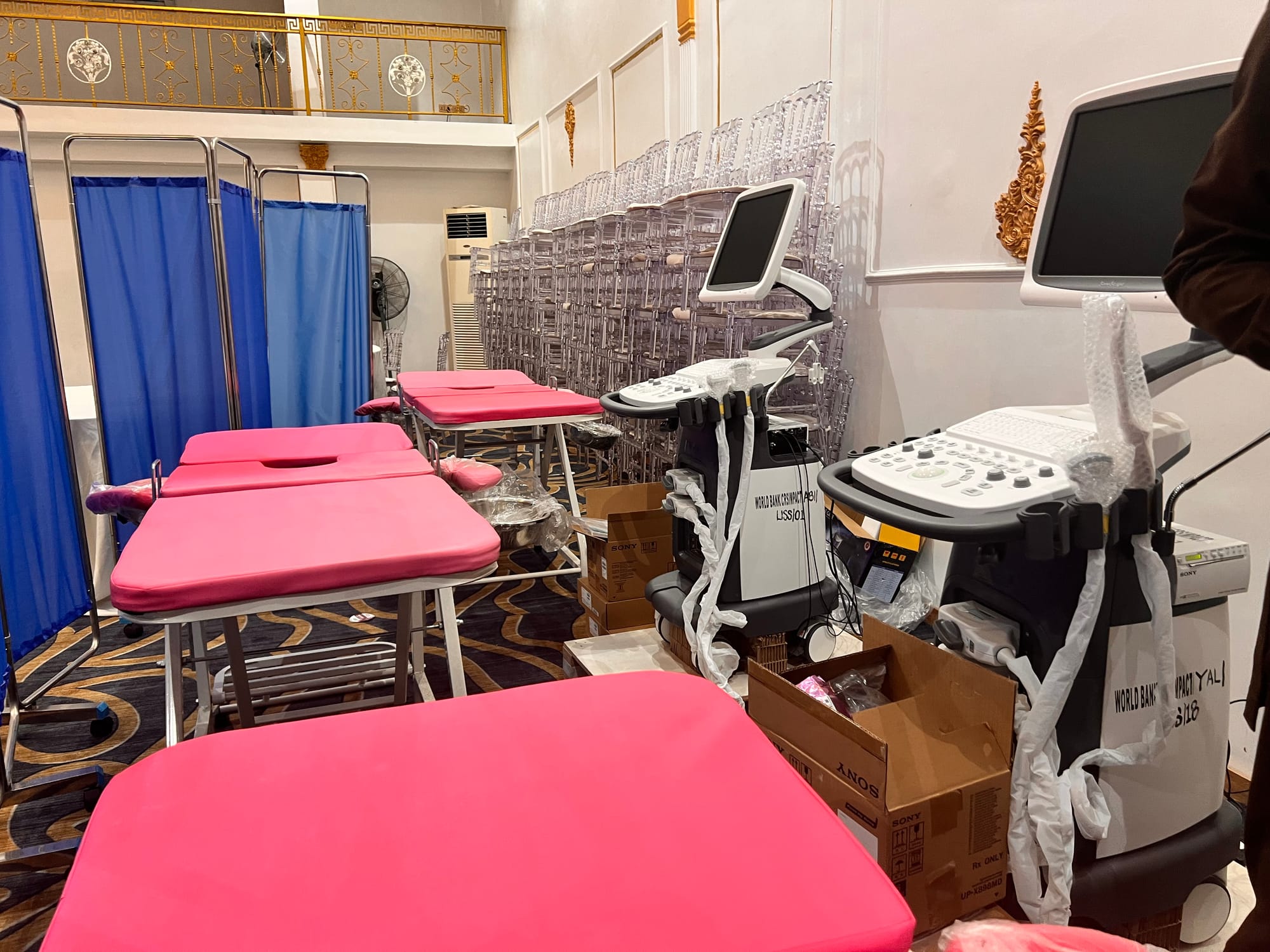
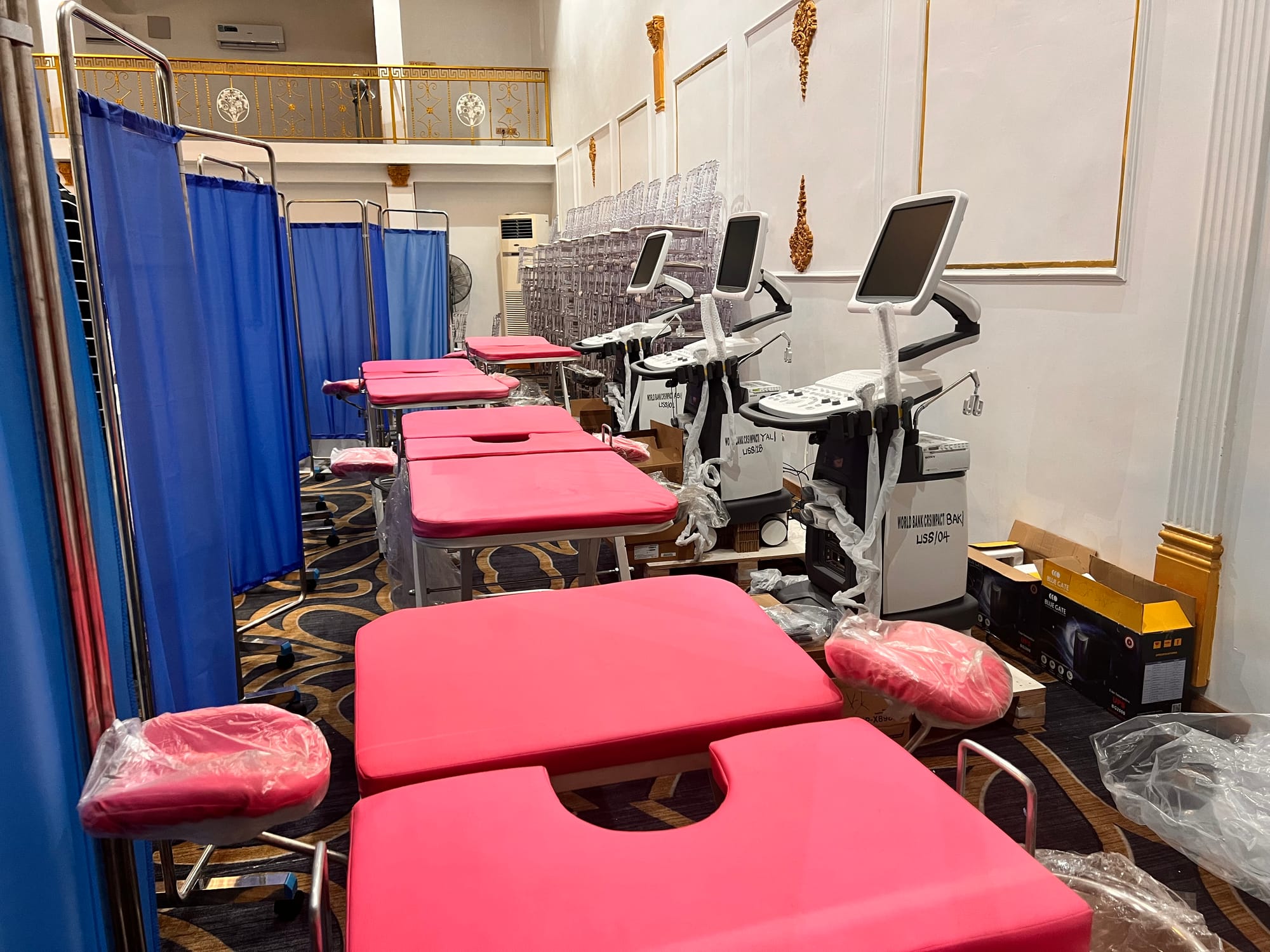
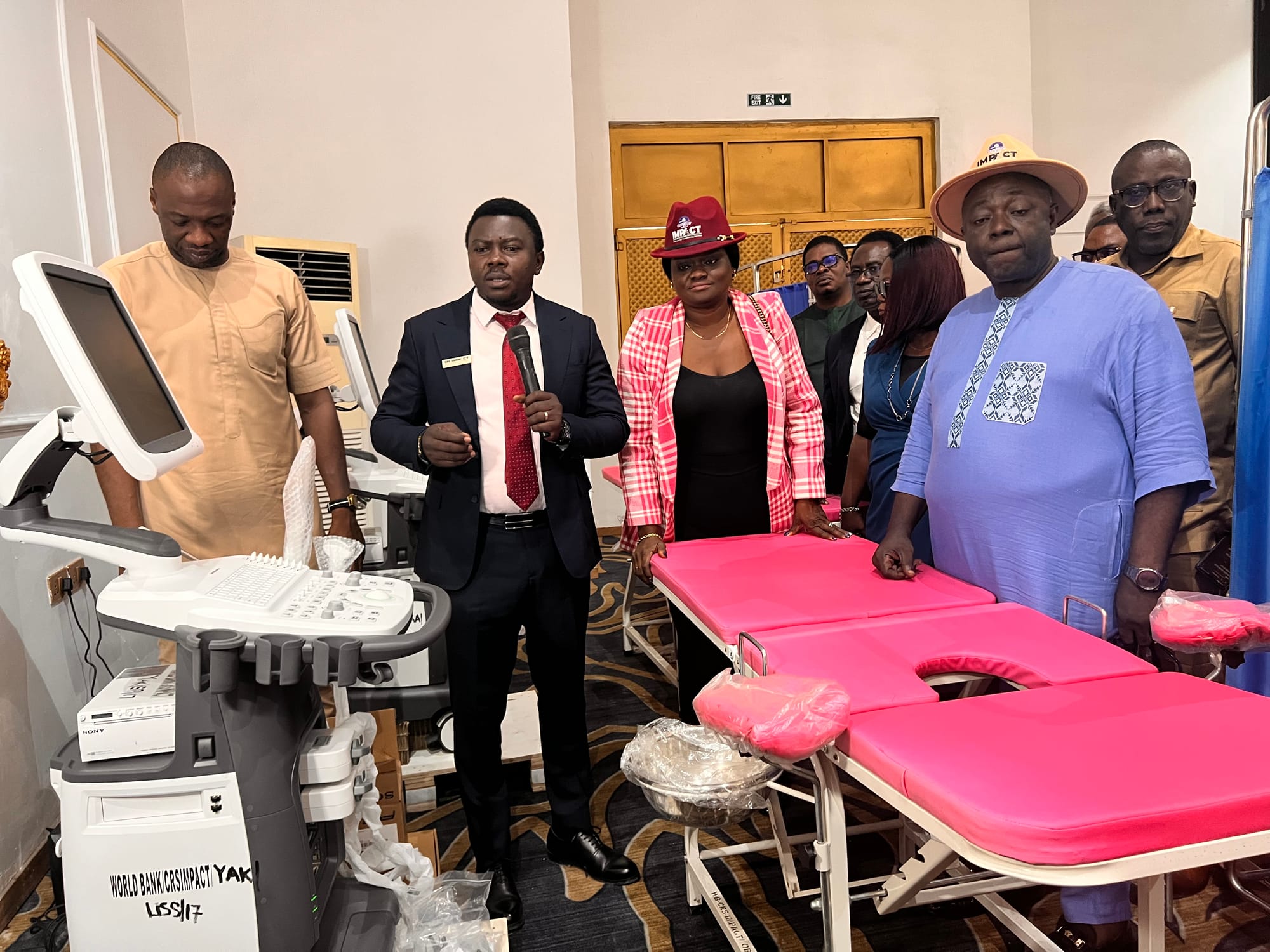
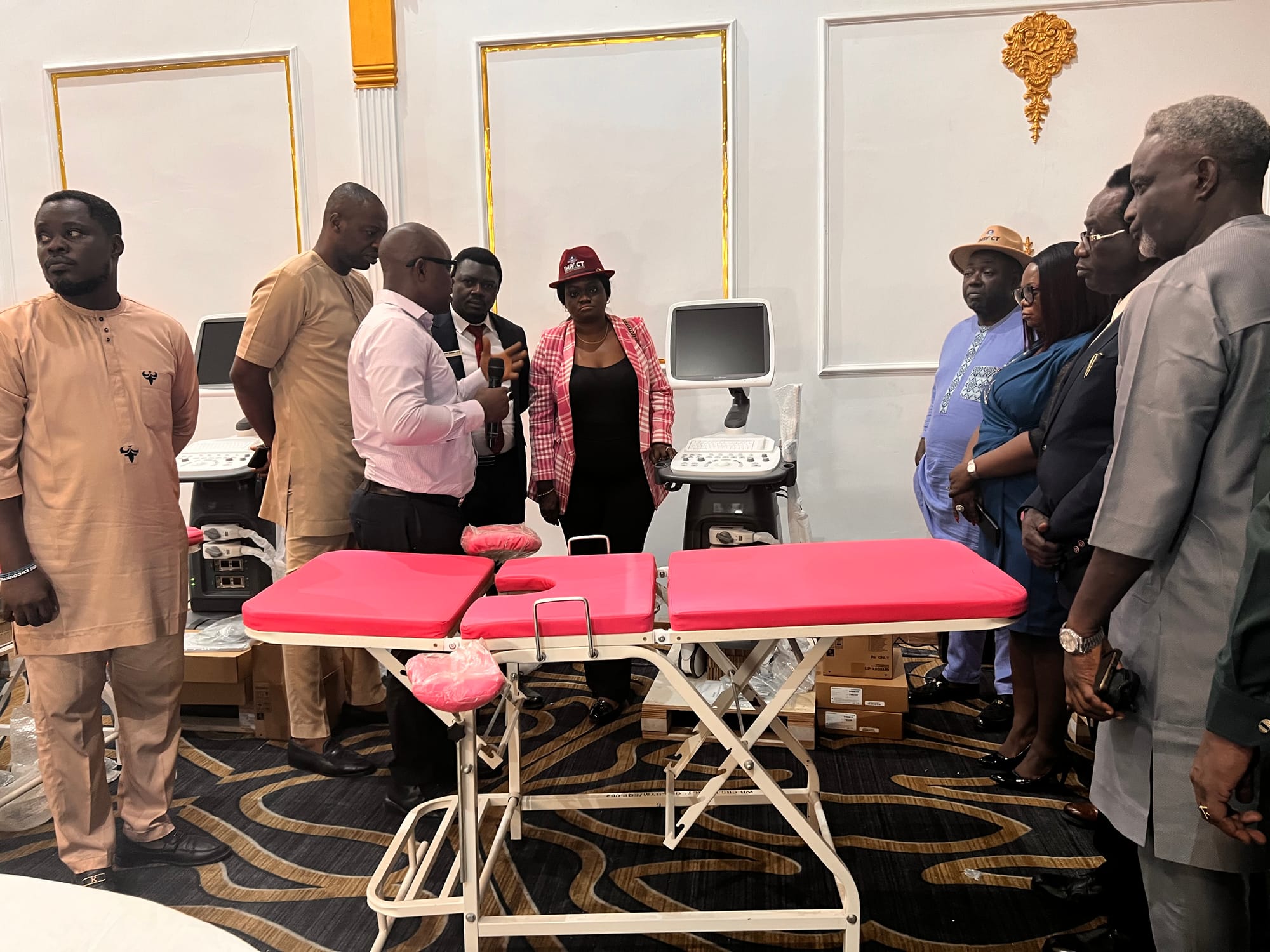
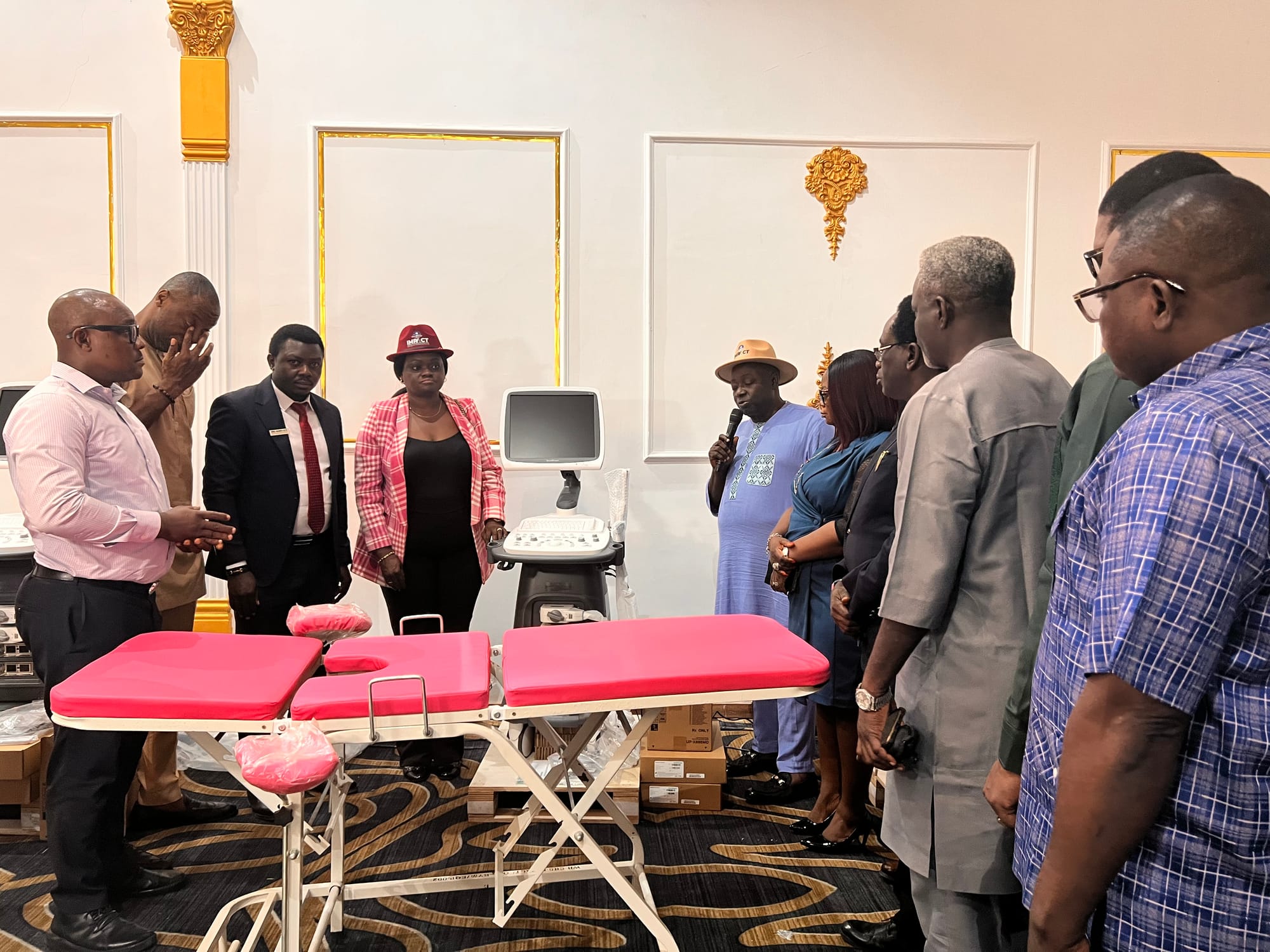
Cross River State has intensified efforts to reduce maternal and neonatal deaths with the deployment of 18 ultrasound machines across the 18 Local Government Areas and the training of 54 frontline health workers in basic obstetric ultrasonography.
The intervention, implemented through the World Bank-assisted Immunization Plus and Malaria Progress by Accelerating Coverage and Transforming Services (IMPACT) Project in partnership with the State Ministry of Health and the Primary Healthcare Development Agency, is designed to strengthen early detection of pregnancy complications and expand access to quality maternal healthcare, especially in rural communities.
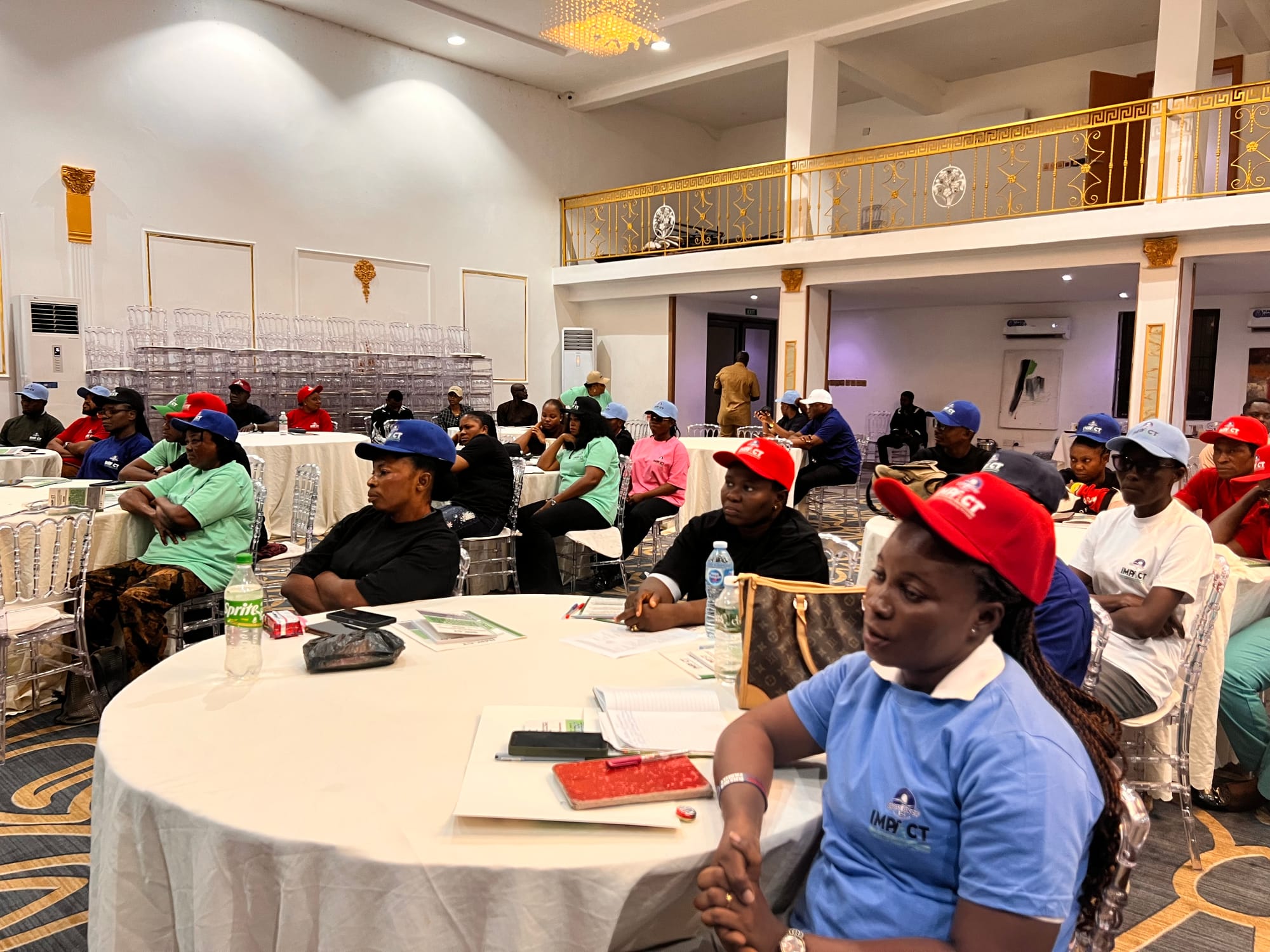
Speaking at the opening of a five-day specialised training programme which began on Tuesday in Calabar, the Deputy Governor of Cross River State, Rt. Hon. Peter Odey, represented by the Commissioner for Health, Dr. Henry Egbe Ayuk, said the initiative was part of the administration’s deliberate effort to decentralise healthcare services and ensure that women across the state have access to life-saving diagnostic support.
The Deputy Governor stressed that equipment alone cannot transform healthcare delivery without skilled personnel to operate and maximise its benefits. “Having an ultrasound machine in a facility does not amount to success. You cannot define achievement just because you have put up a health facility. A functional health system rests on six building blocks, and human resources remain central,” he said.
He noted that the training would enhance the capacity of primary healthcare workers to identify and manage obstetric complications through early diagnosis and timely referral, adding that the investment would reduce the burden of pregnant women travelling long distances to access basic diagnostic services.
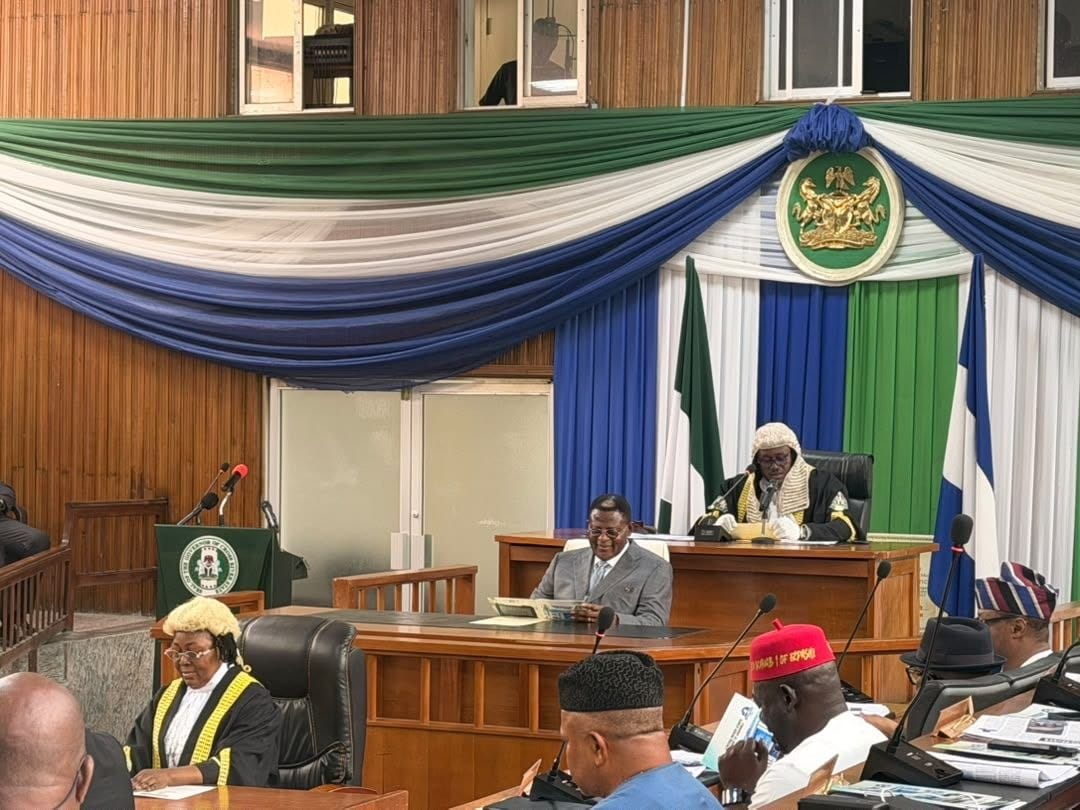
The Chairman of the Cross River State House of Assembly Committee on Health, Rt. Hon. Hilary Bisong, described the deployment of the ultrasound machines as a major step towards democratising healthcare delivery in the state. He commended Governor Bassey Edet Otu for prioritising citizens’ health through strategic investments in the sector.
Bisong said the procurement of one ultrasound scanner for each Local Government Area demonstrated that access to quality healthcare should not be determined by location. “These eighteen ultrasound scanners are more than medical equipment. They represent the democratisation of healthcare. They affirm that a pregnant woman in Obanliku deserves the same quality of early diagnosis as one in Calabar, and that a mother in Bakassi deserves the same opportunity for a safe delivery as any mother anywhere in the world,” he stated.
He stressed that modern healthcare was now focused on preventing tragedies before they occur, noting that technology can only achieve results when supported by competent and committed health professionals. He assured of the legislature’s continued support through policies and oversight to sustain healthcare improvements.
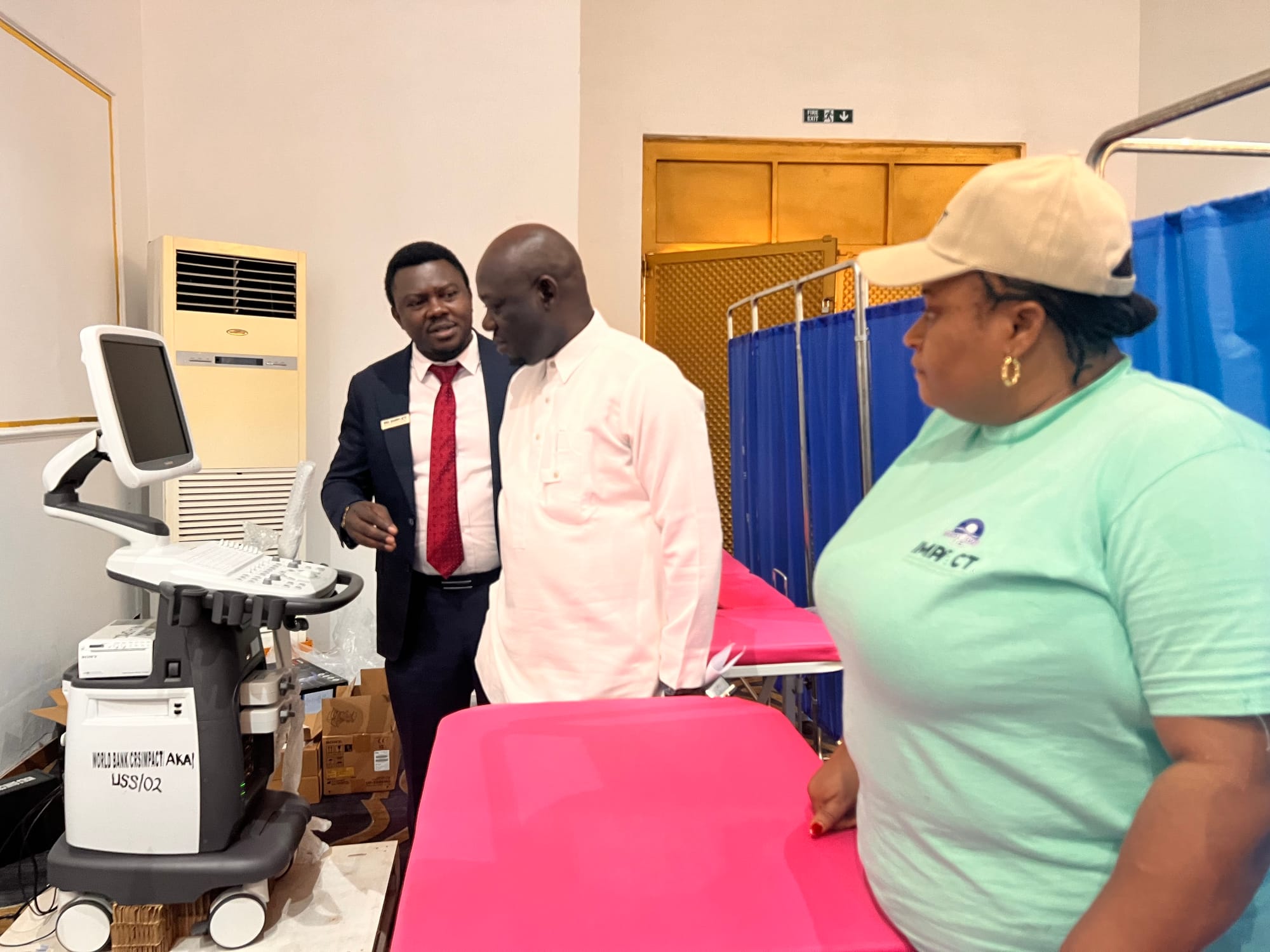
The IMPACT Project Manager, Paul Odey, disclosed that the 18 ultrasound scanners had been deployed to one high-performing primary healthcare facility in each Local Government Area, while the training targeted midwives, radiographers, community health officers and clinicians.
Odey explained that the intervention was addressing a major gap where many pregnant women in rural communities previously had no access to ultrasound scans during pregnancy. “Every pregnant woman is meant to have a minimum of three ultrasound scans before delivery. Before now, most women in rural communities did not get even one,” he said.
He added that the state had recorded progress in maternal health outcomes, with maternal mortality reducing from 54 cases in 2023 to six in the first quarter of 2026, while routine immunisation coverage had also improved.
The Director General of the Cross River State Primary Healthcare Development Agency, Dr. Vivian Mesembe Otu, charged the trainees to ensure that the machines translate into improved health outcomes, warning that facilities must promptly refer complicated cases detected through scans.
“The Governor is investing heavily, through the IMPACT project, into primary healthcare; therefore, we have no business contributing to morbidity and mortality in our newborns, maternal mortality and under-five mortality,” she said.
Other stakeholders, including the Permanent Secretary of the Ministry of Health, Dr. Bassey Jonah Offor; Permanent Secretary in the Office of the Head of Service, Dr. Mary-Theresa Eba; and Chairman of the Nigerian Medical Association (NMA), Cross River State Branch, Dr. Ezoke Epoke, commended the initiative, describing it as a strategic investment in healthcare workforce development and service delivery.
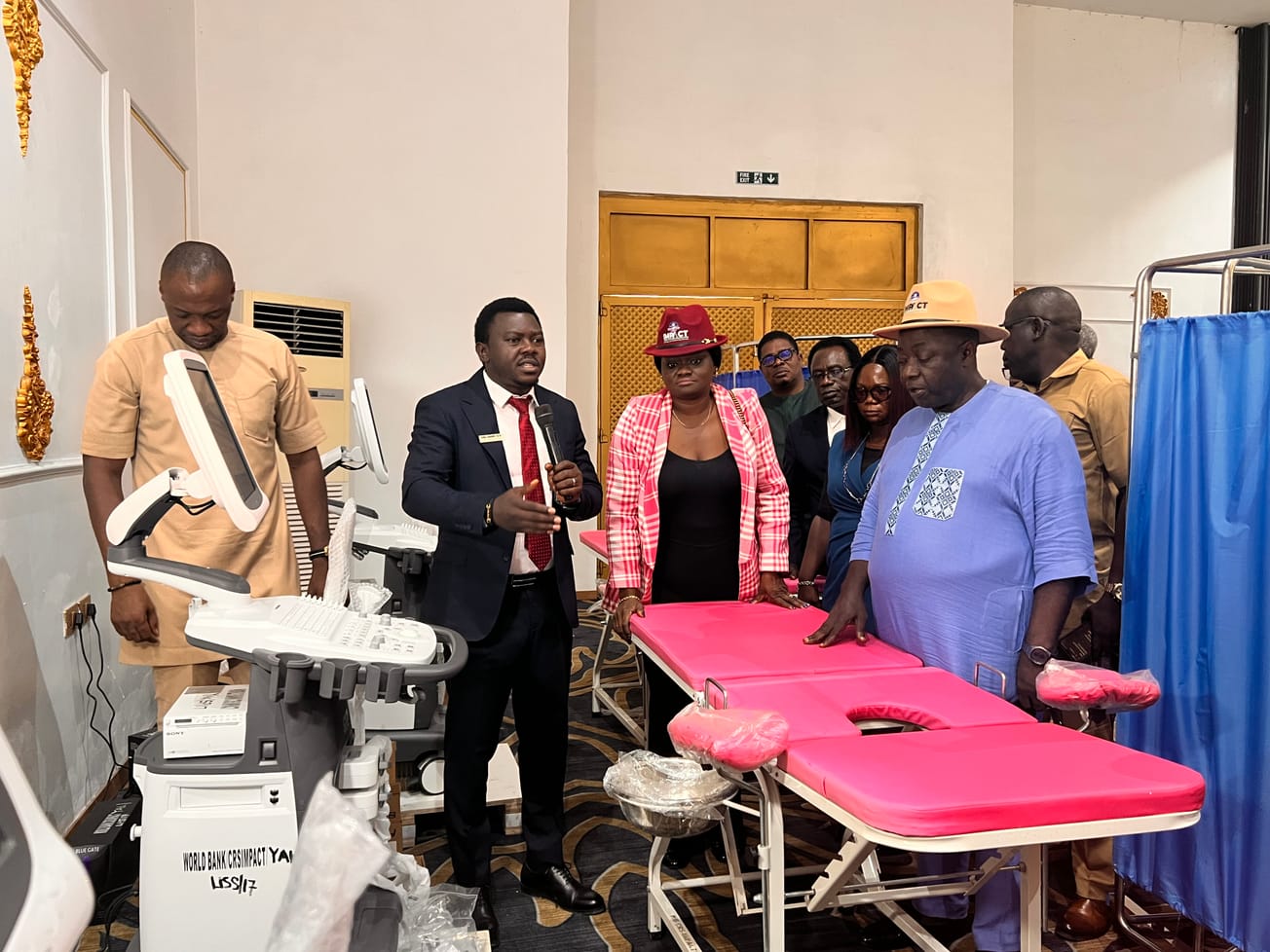
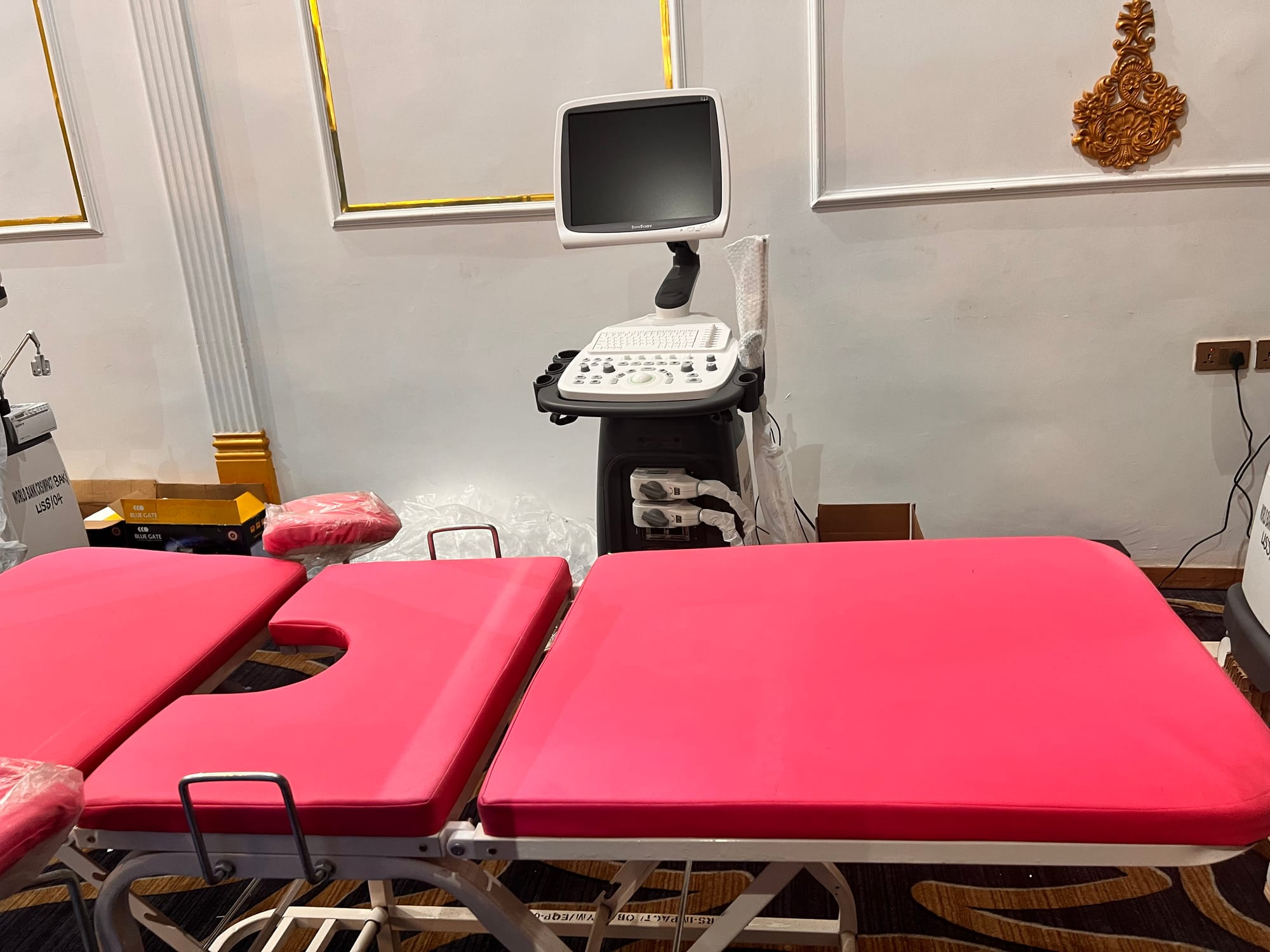
During a practical demonstration, consultant radiologist Dr. Enang explained that the portable Sonoscape ultrasound machines use Doppler technology to assess fetal blood flow and detect possible pregnancy complications, enabling timely intervention and referrals.


By Kingsley Agim and Offiong Itang