

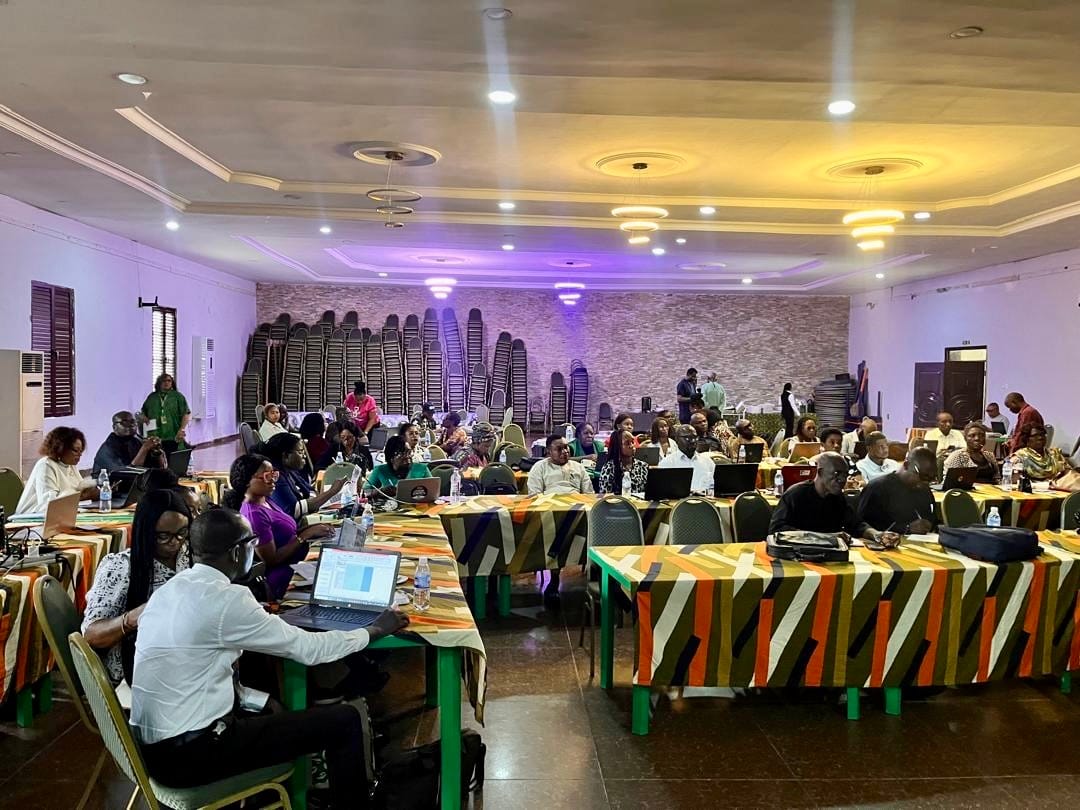
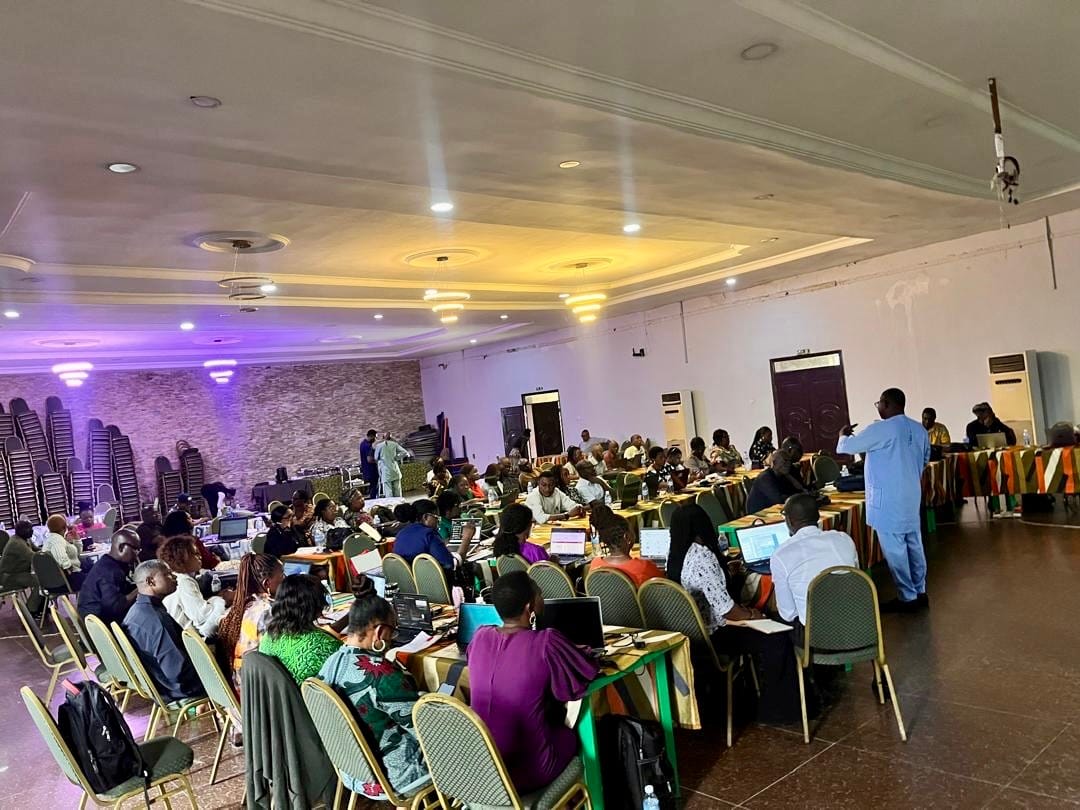
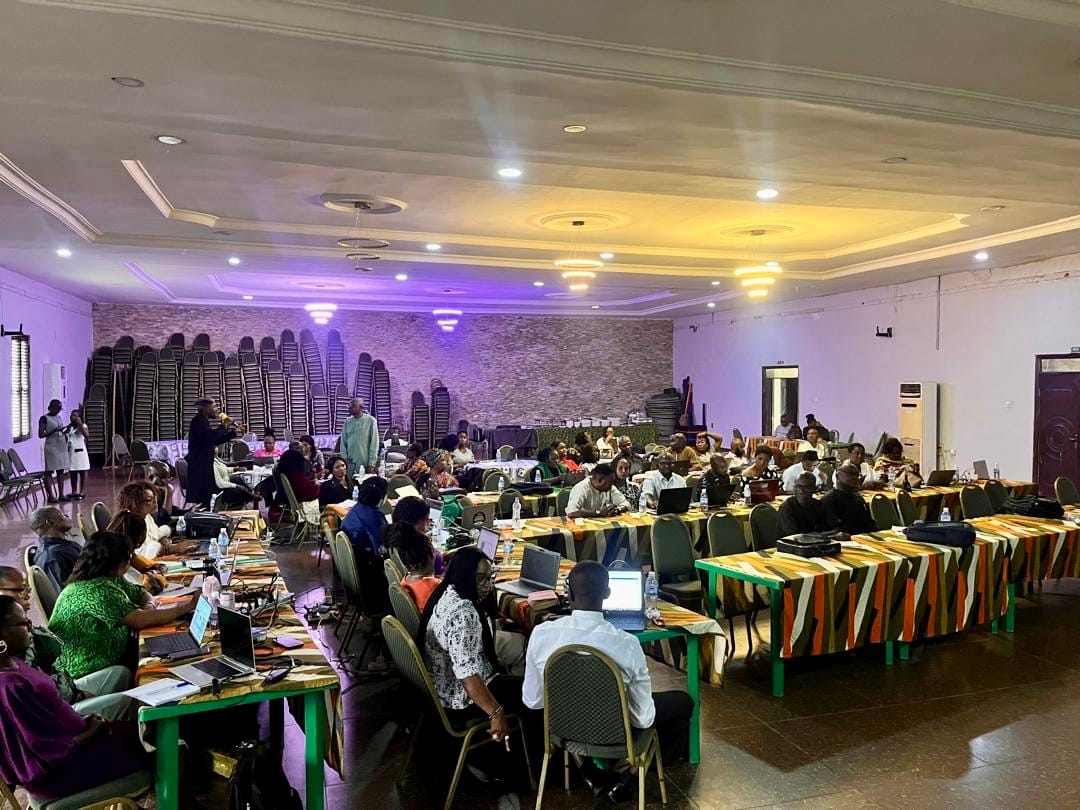
The Cross River State Ministry of Health has commenced a six-day development, orientation and training workshop for its 2027 Annual Operational Plan (AOP), bringing together health sector stakeholders, government agencies and international development partners to strengthen planning and implementation of healthcare programmes across the state.
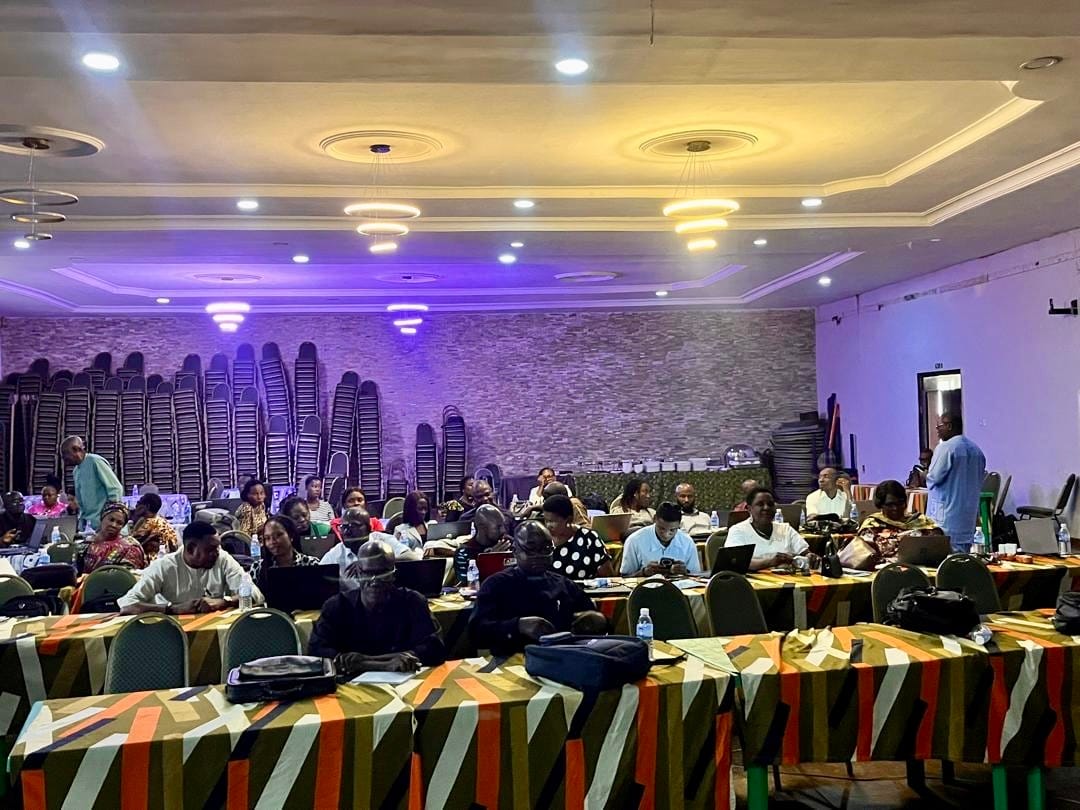
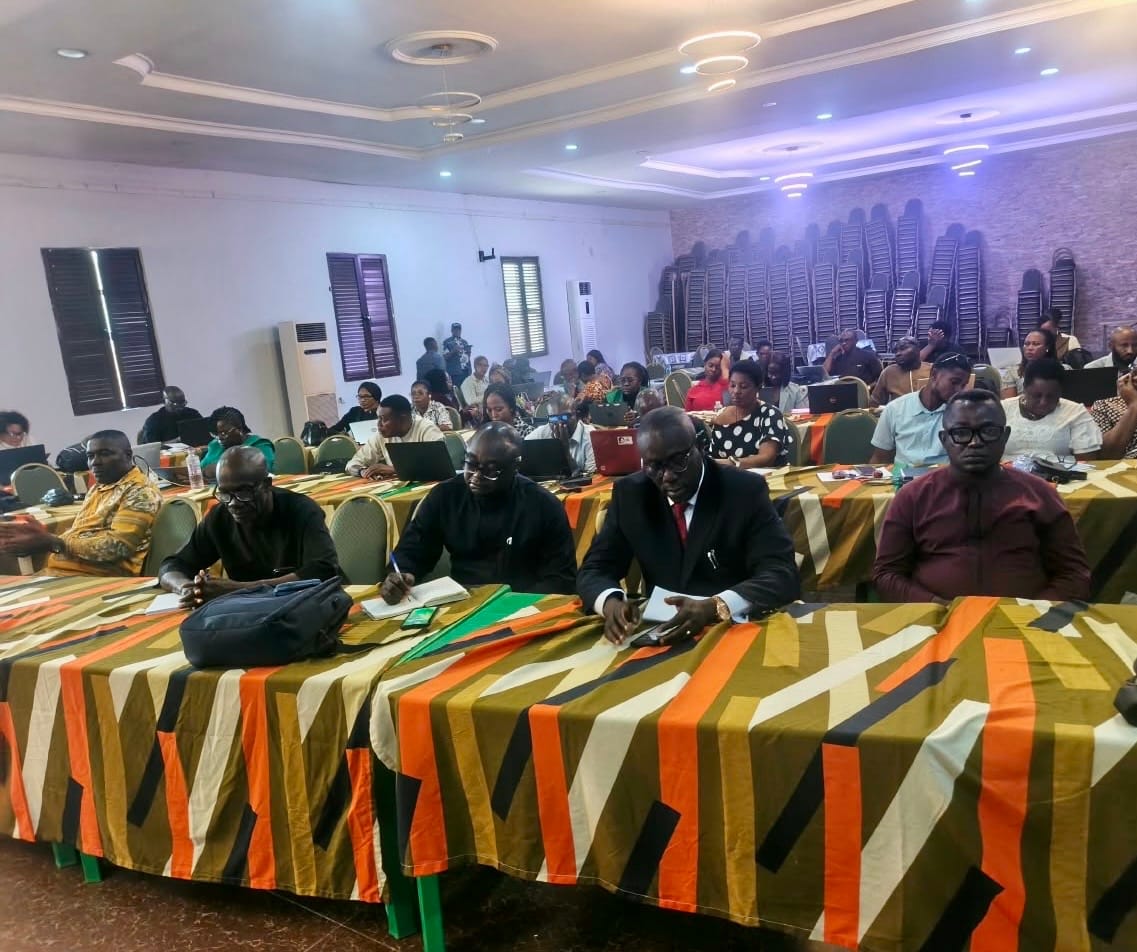
The workshop, which began on Tuesday, November 3, 2026, at Danic Hotel, Calabar, is themed “Strengthening Health Planning and Implementation for Improved Health Outcomes in Cross River State” and is designed to produce a unified, costed and results-oriented roadmap for the state’s health sector in 2027.
The six-day exercise is structured into two phases, with November 3–5 dedicated to state-level Ministries, Departments and Agencies (MDAs), while activities from November 6–8 will focus on Local Government Area (LGA) Health Managers and Monitoring and Evaluation Officers (M&EOs).
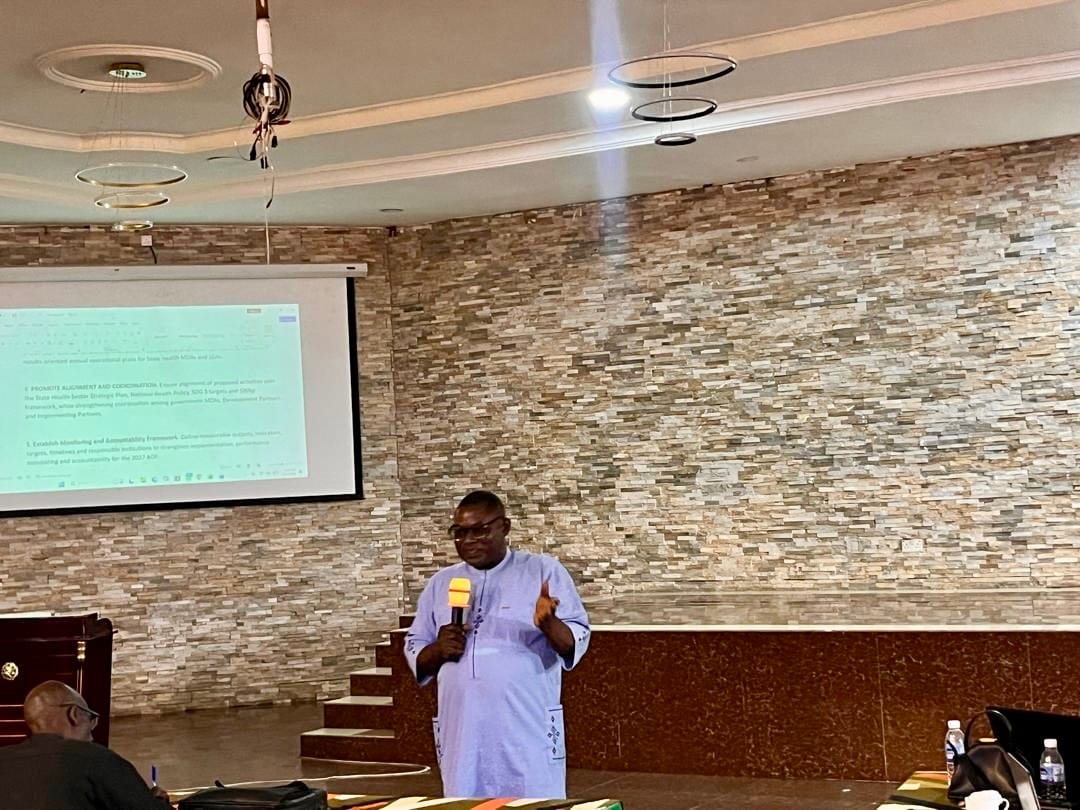
Declaring the workshop open, the Permanent Secretary in the Ministry of Health, Dr. Jonah Bassey Offor, who represented the Commissioner for Health, Dr. Henry Egbe Ayuk, emphasised that the annual planning exercise must serve as a practical management instrument for translating government health policies into measurable results.
Dr. Offor maintained that the AOP should go beyond routine administrative documentation to become a credible framework for setting priorities, guiding implementation and ensuring accountability across the state’s health sector.
“The Annual Operational Plan must represent our collective determination to build a stronger, more responsive and sustainable health system for Cross River State. It must be a credible statement of our priorities, a disciplined guide for implementation and a clear basis for accountability,” he stated.
He further reminded participants that the effectiveness of the planning process would ultimately be measured by its impact on residents, noting that every health indicator, budgetary allocation and programme should translate into improved healthcare outcomes.
“Behind every indicator in our operational plan is a human life, behind every budgetary allocation is an opportunity to save a life; and behind every programme we implement is a family whose health and well-being depend on the effectiveness of our health system. We must therefore plan with purpose, implement with commitment and evaluate with accountability,” he added.
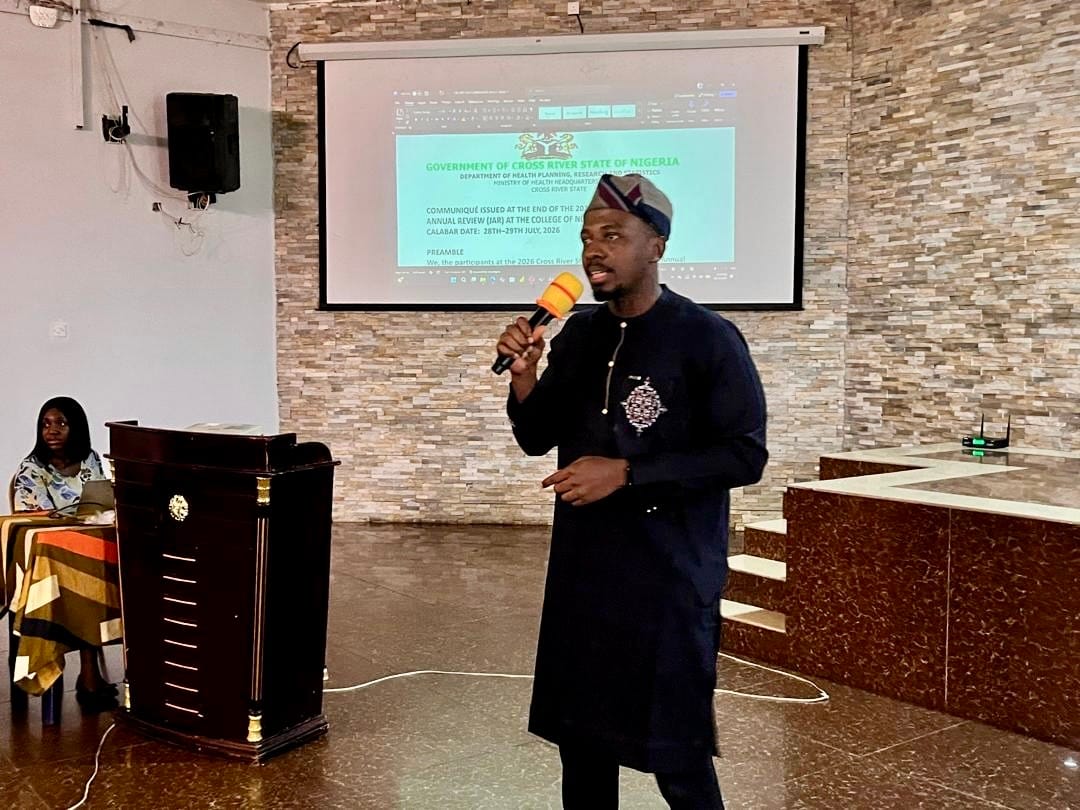
Providing technical direction for the exercise, the Director of Health Planning, Research and Statistics, Mr. Chris Ushuasung, explained that the planning process had been decentralised into state-level and local government administrative streams under the Sector-Wide Approach (SWAp) framework to improve efficiency and prevent duplication of resources.
According to him, the exercise brings together ministry directorates, disease programme officers, local government health managers, primary healthcare directors and facility heads to jointly develop intervention plans and costed budgets for the coming year.
“We have two different tools that we are using to populate our AOP. We are bringing together key health sector stakeholders to jointly design intervention plans and costed budgets for the upcoming year,” Dr. Ushuasung explained.
He added that the approach would save time, prevent overlapping interventions and ensure that contributions from development partners, joint funding mechanisms and government budgetary allocations were captured within a common framework.
Dr. Ushuasung noted that the ultimate objective was to ensure that all stakeholders operated with one unified plan, one budget and one reporting system, thereby strengthening coordination, resource utilisation and accountability in the implementation of health programmes.
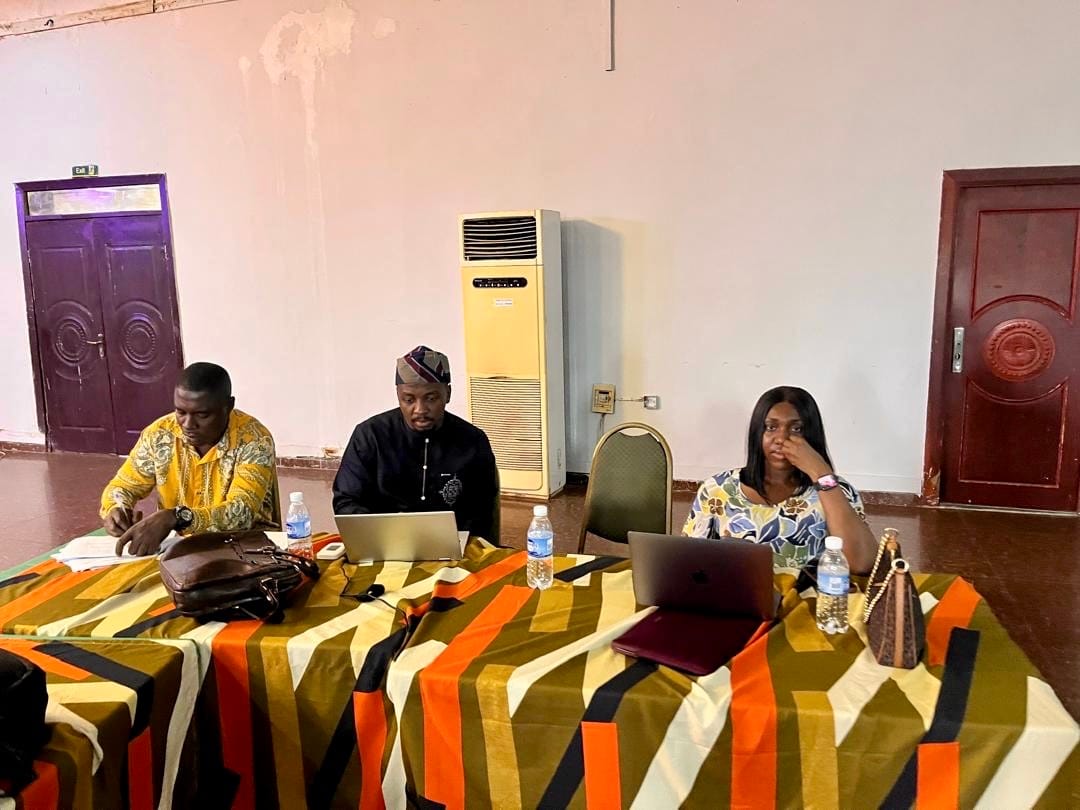
The workshop is being organised within the framework of the Sector-Wide Approach in Health, with technical participation from the World Health Organisation (WHO), United Nations Children’s Fund (UNICEF) and United Nations Population Fund (UNFPA), alongside key directors, agency heads, unit heads and other health sector stakeholders.
By Kingsley Agim