
The United Nations Population Fund (UNFPA) has commended Cross River State Governor, Senator Bassey Edet Otu, for fulfilling the state’s counterpart funding obligations, noting that the commitment is supporting the delivery of family planning services and the procurement of contraceptive commodities.
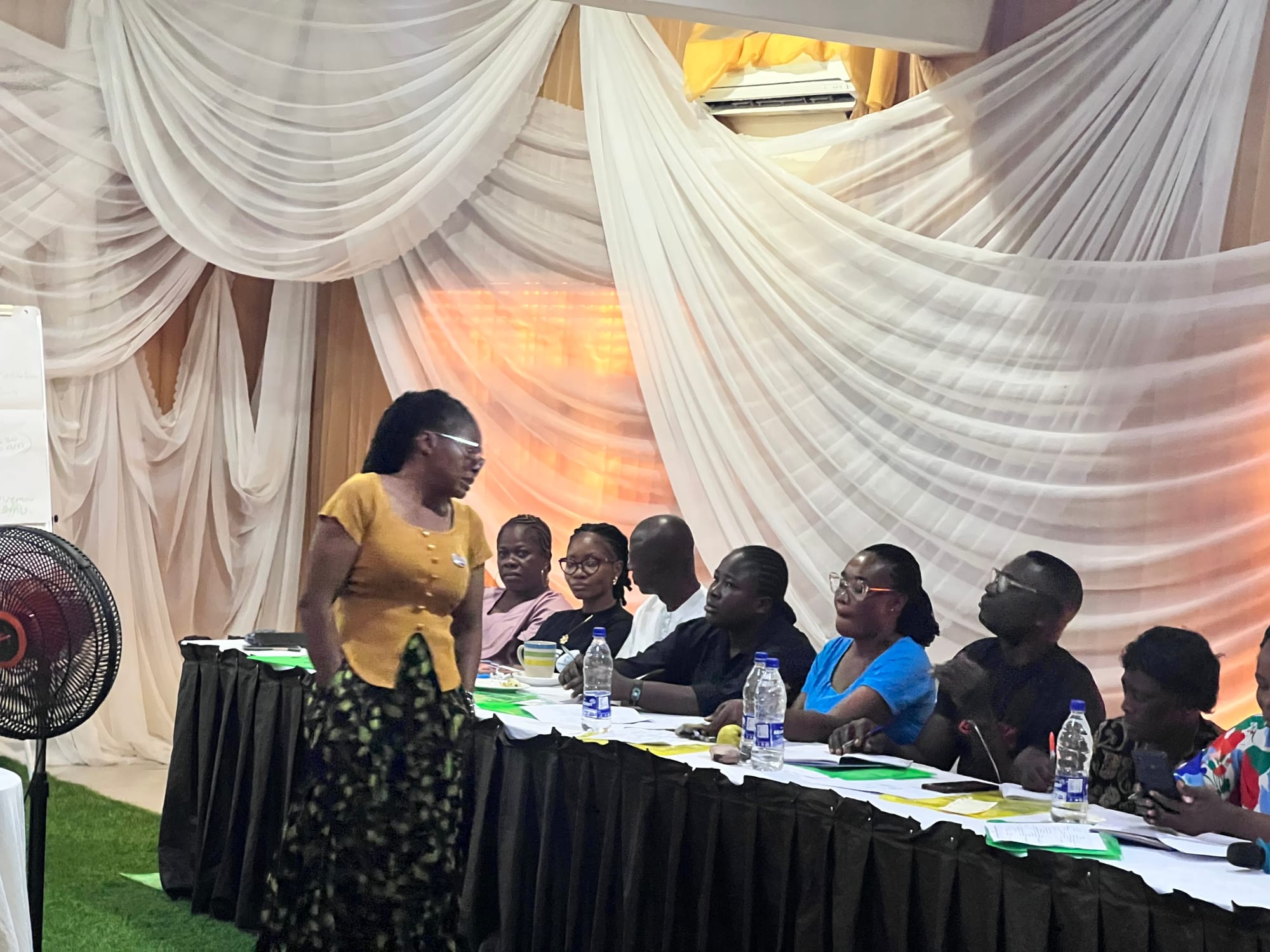
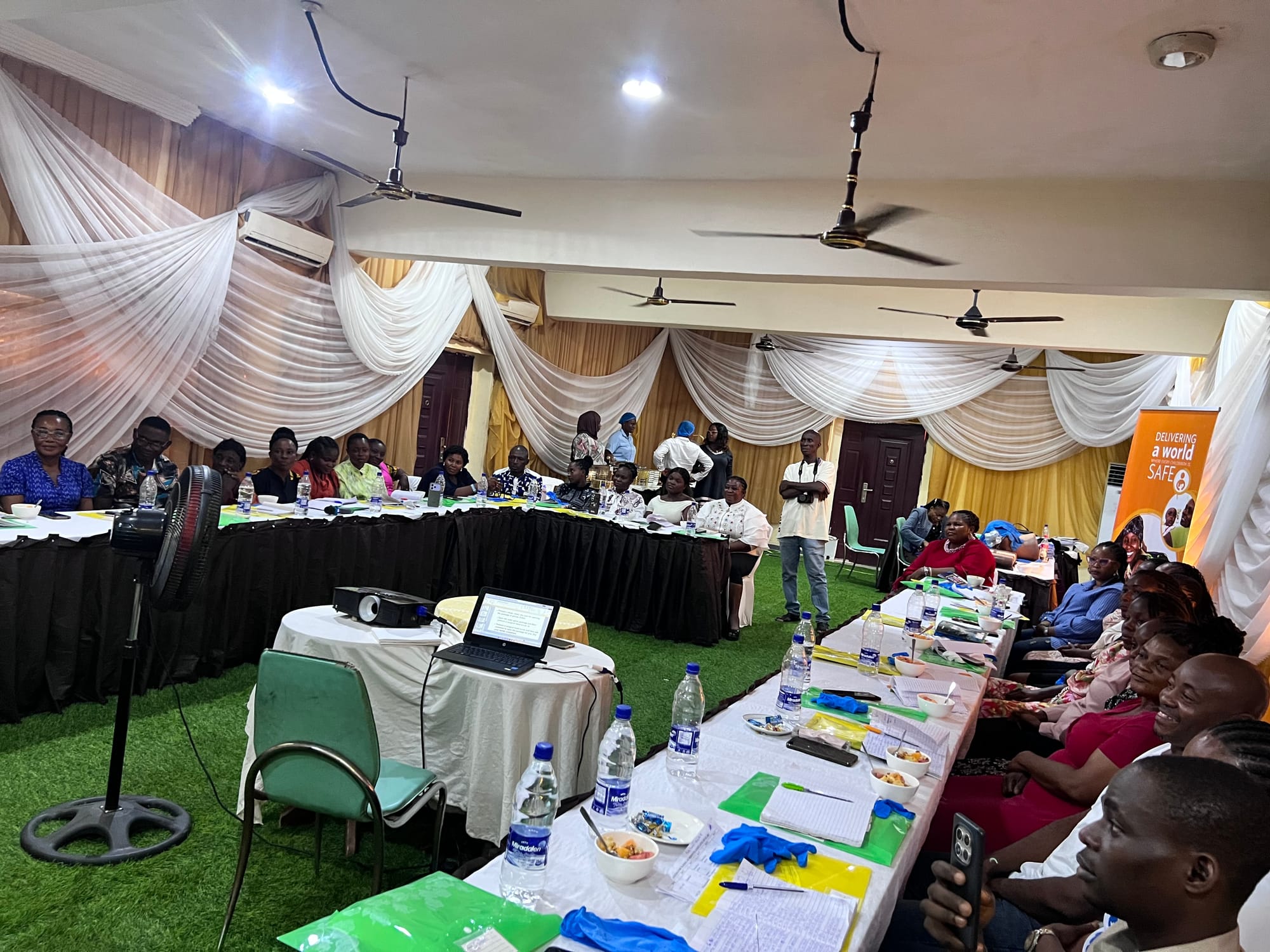
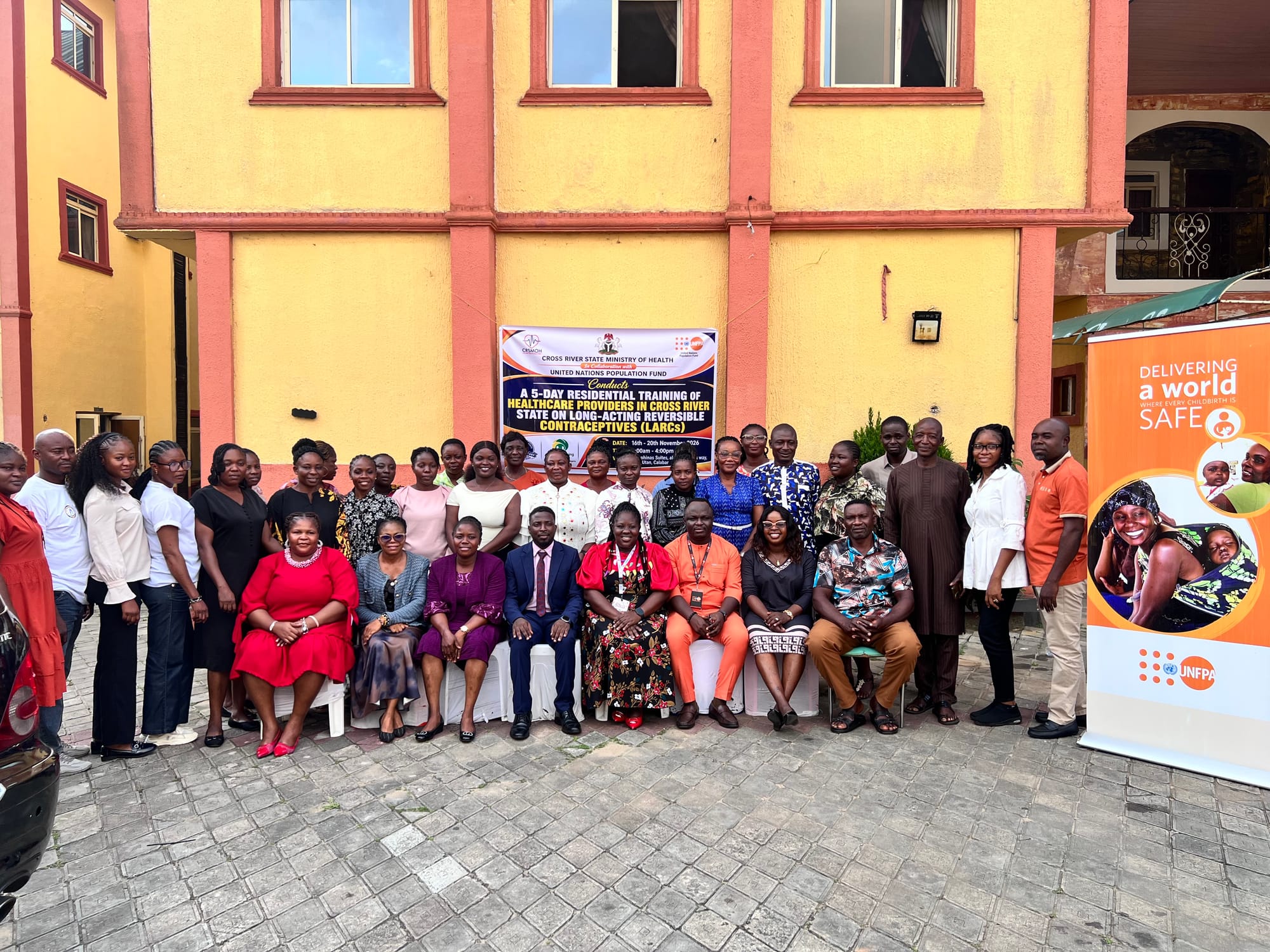
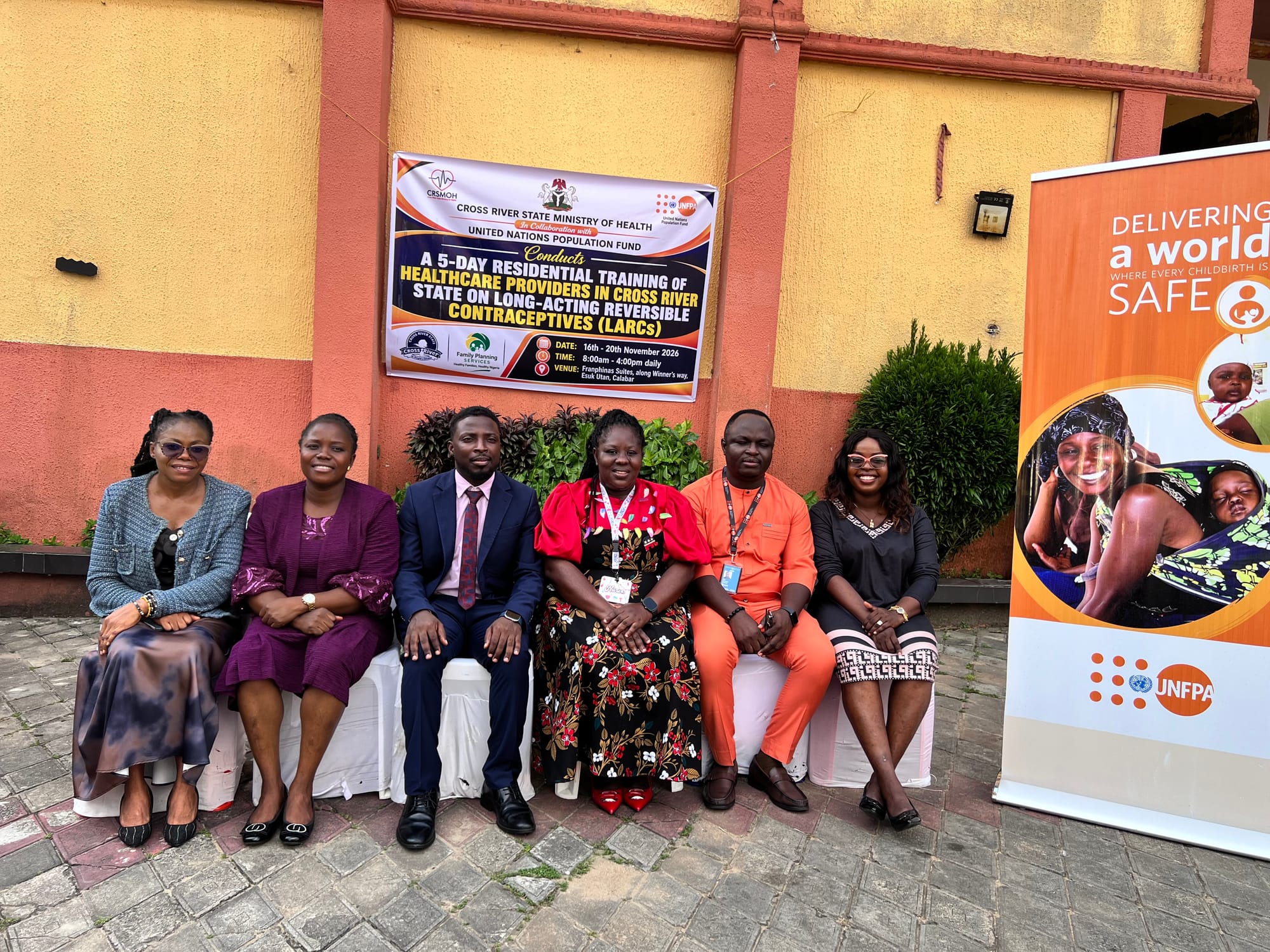
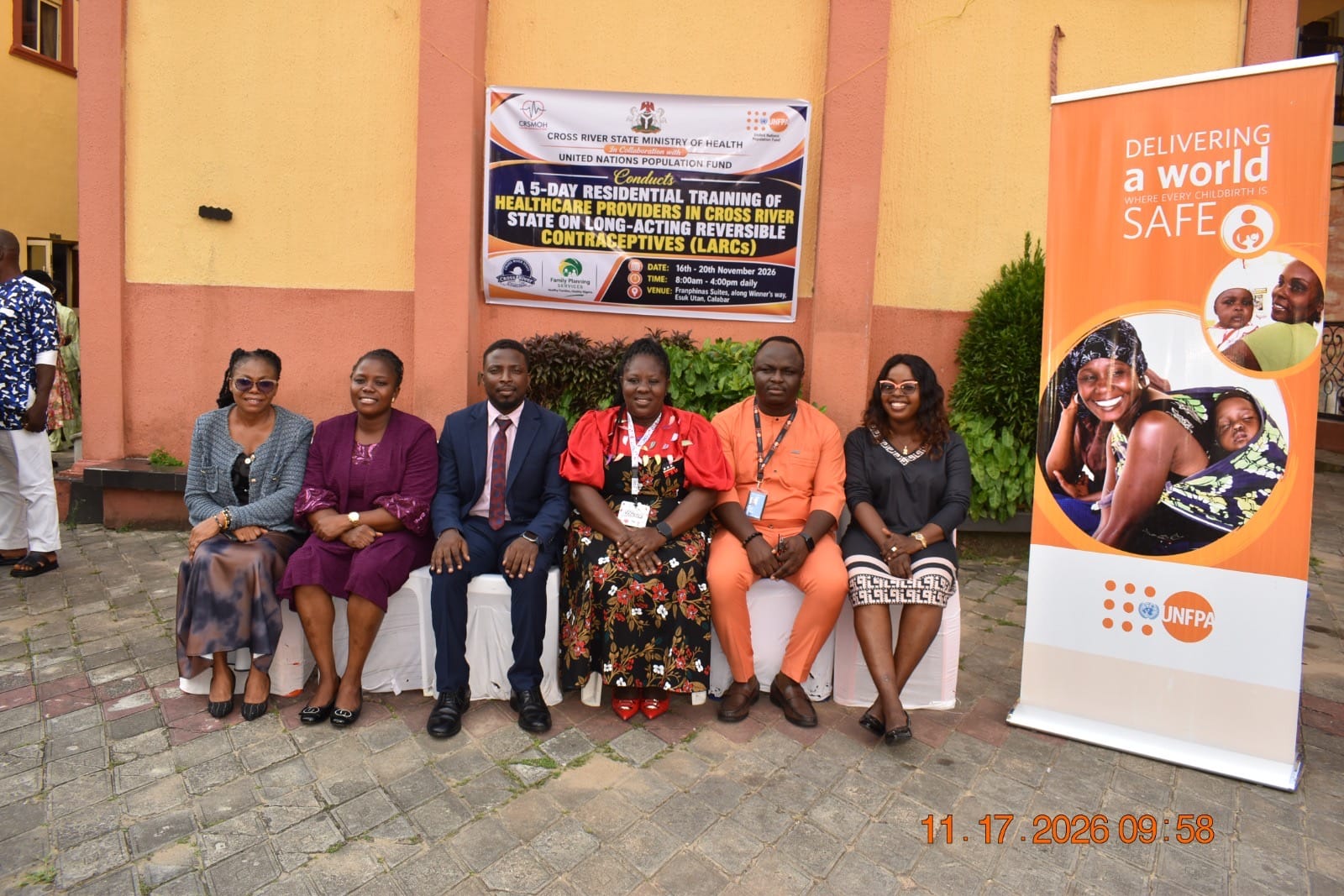
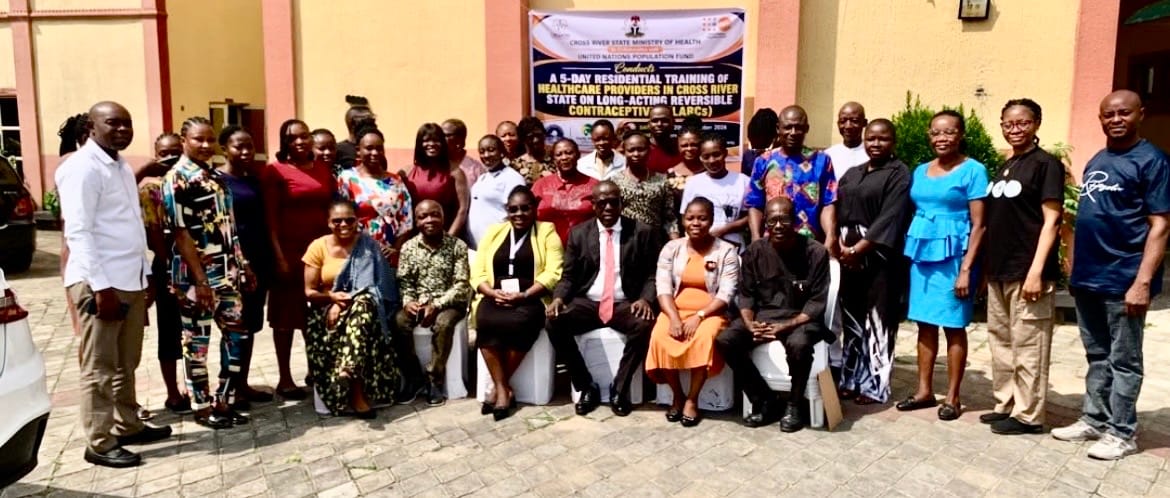
The UNFPA Programme Coordinator/Head of Office, Cross River State Sub-office, Dr. Andrew Kirima, gave the commendation during a five-day residential training for 30 healthcare providers on Long-Acting Reversible Contraceptives (LARCs), organised by the Cross River State Ministry of Health in collaboration with UNFPA.
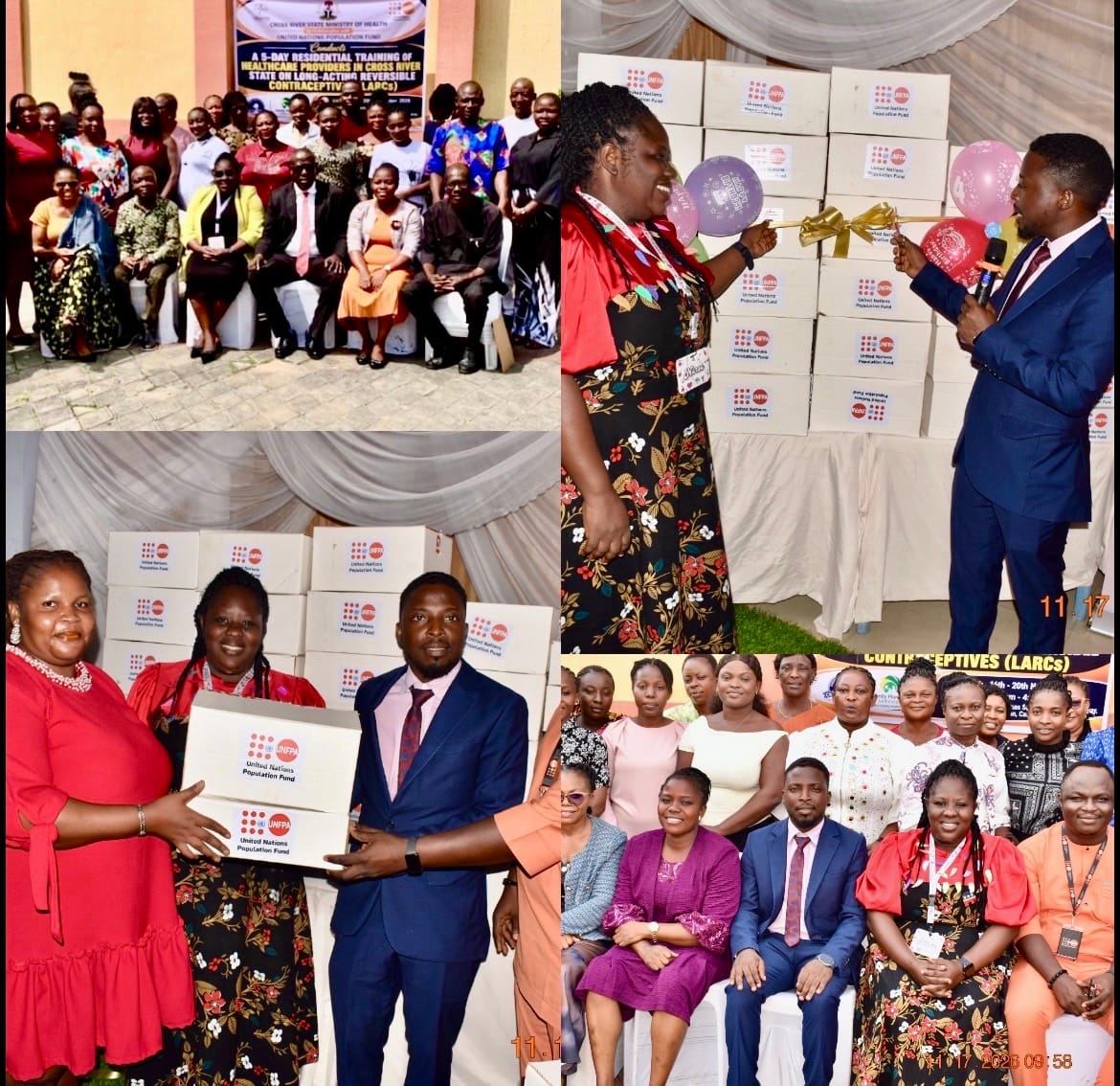
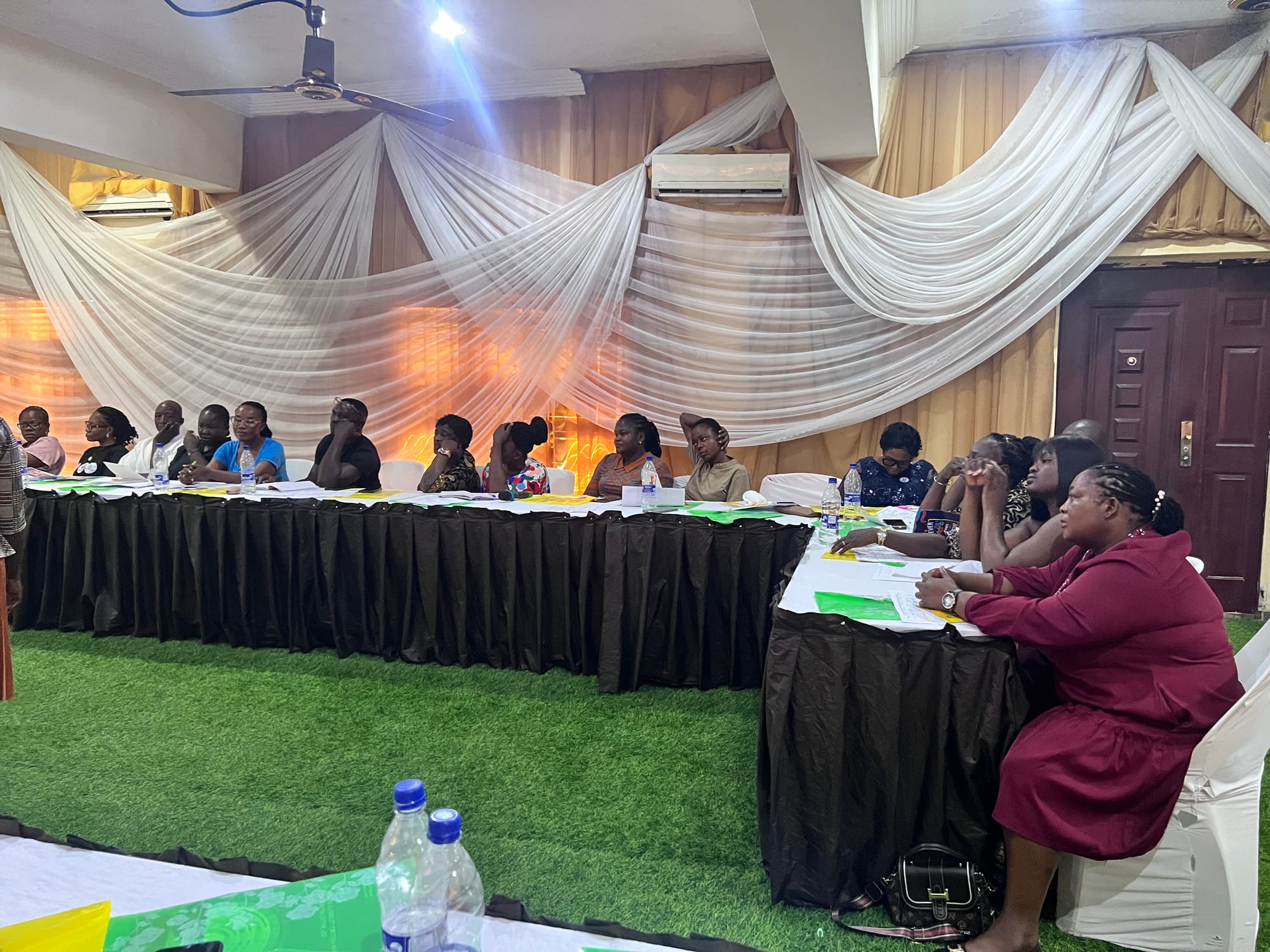
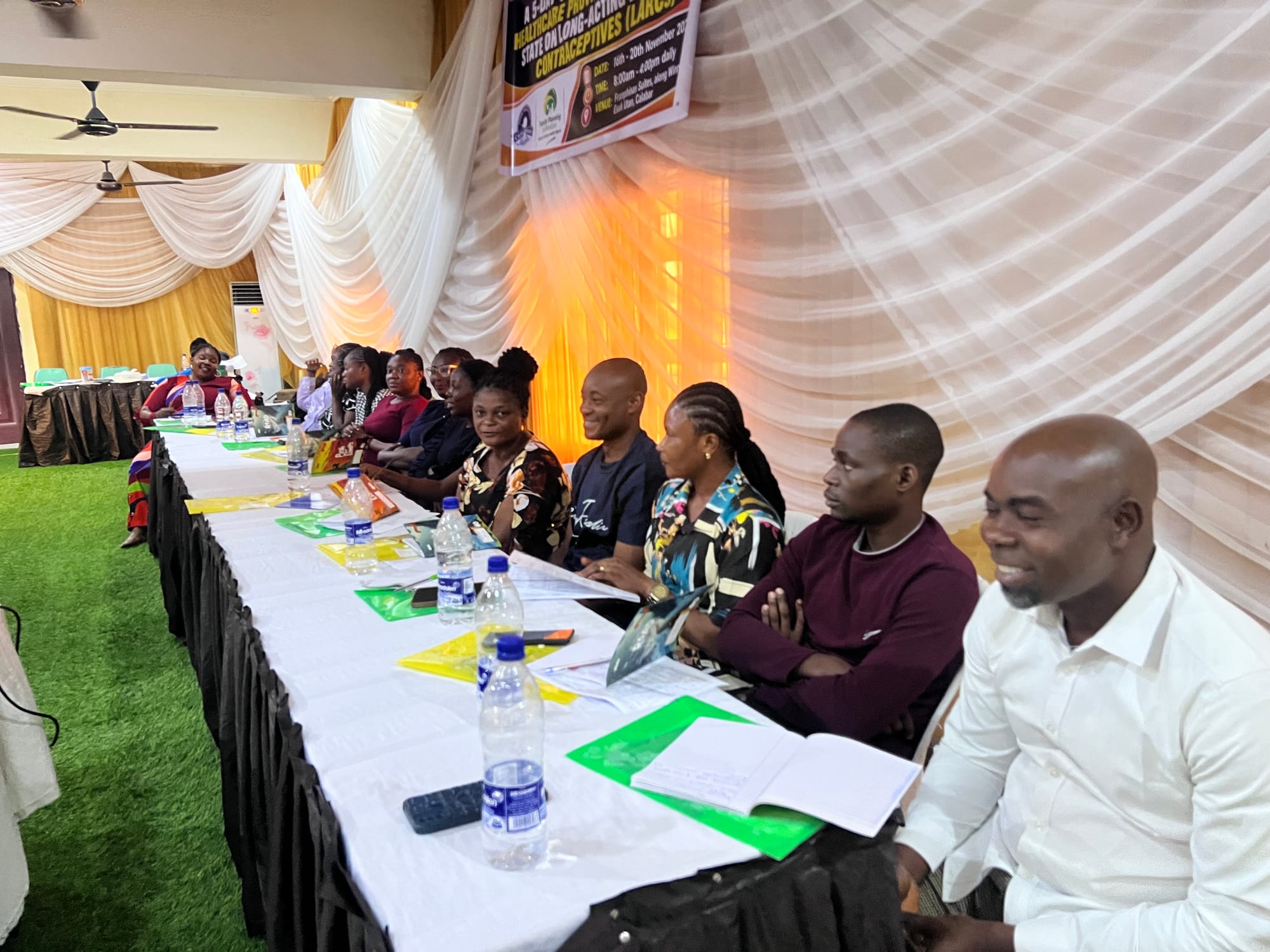
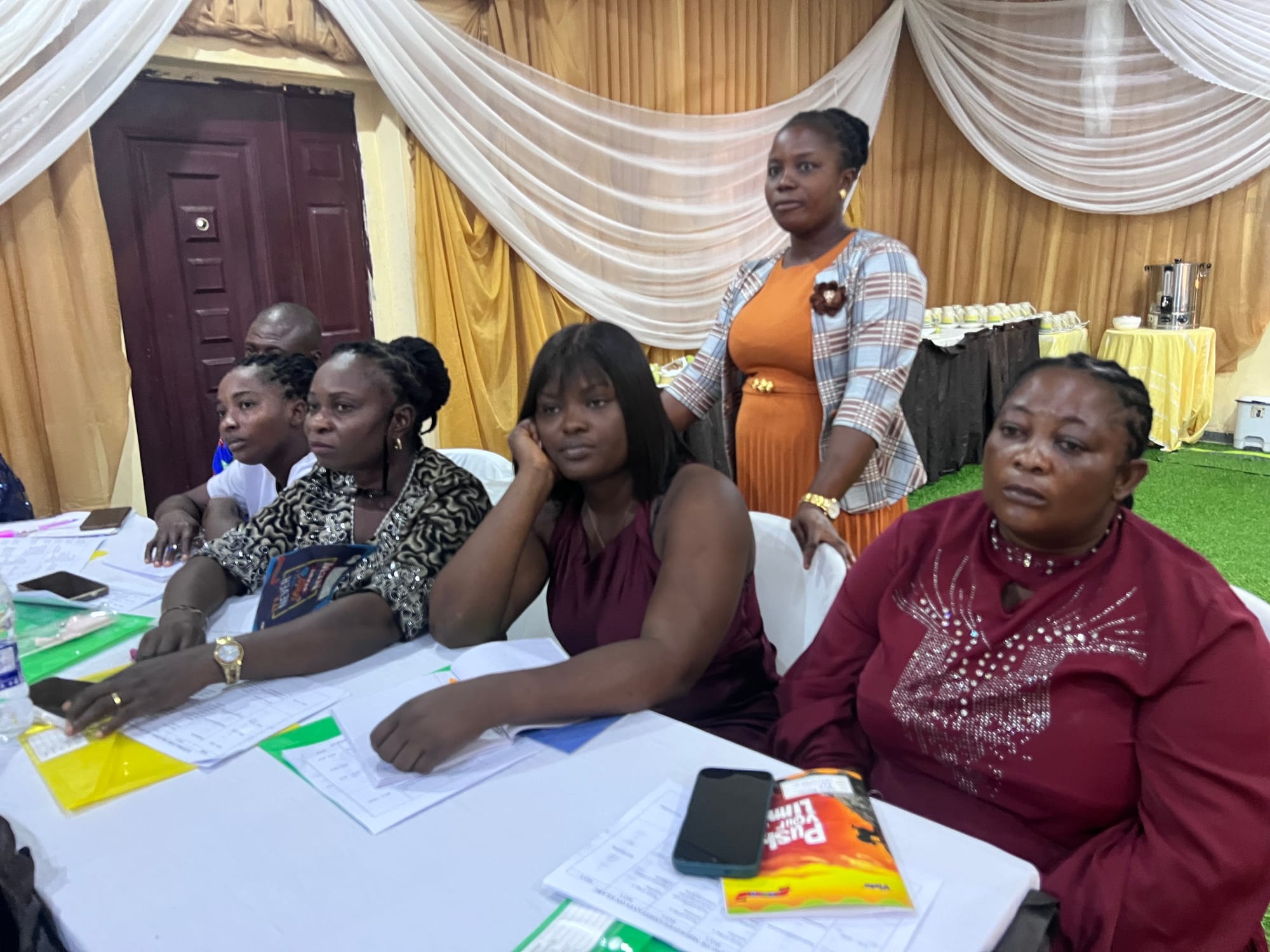
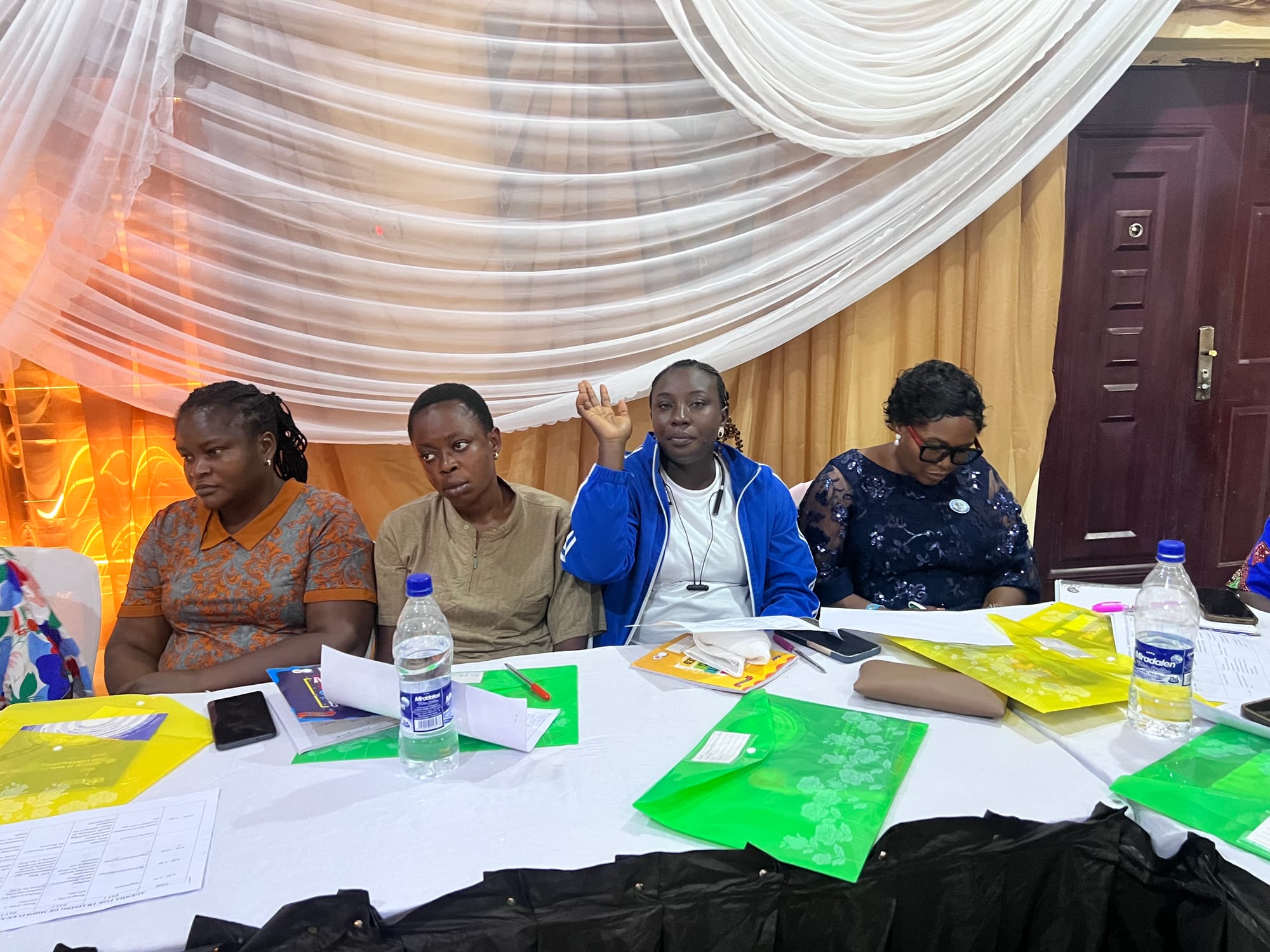
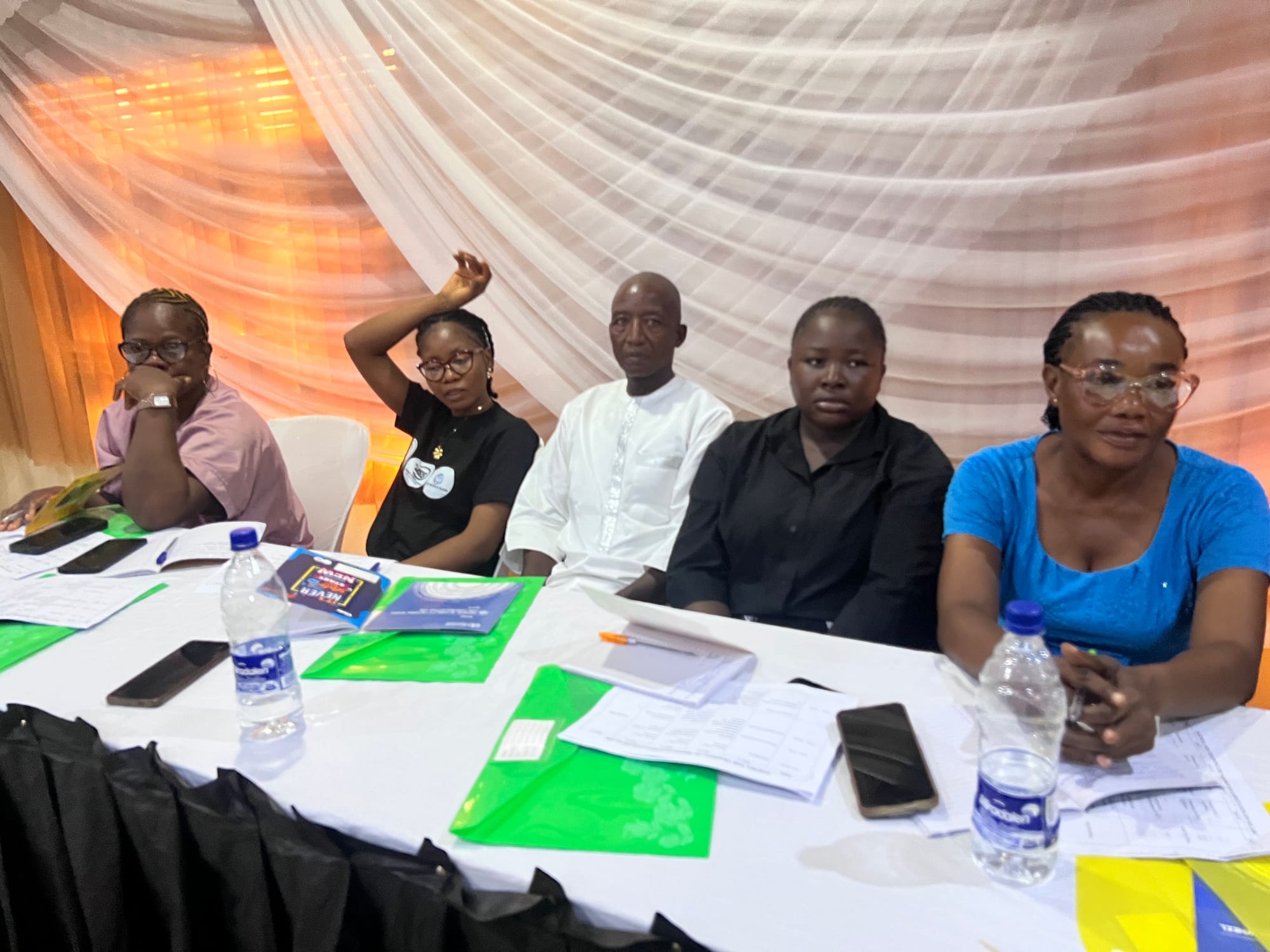
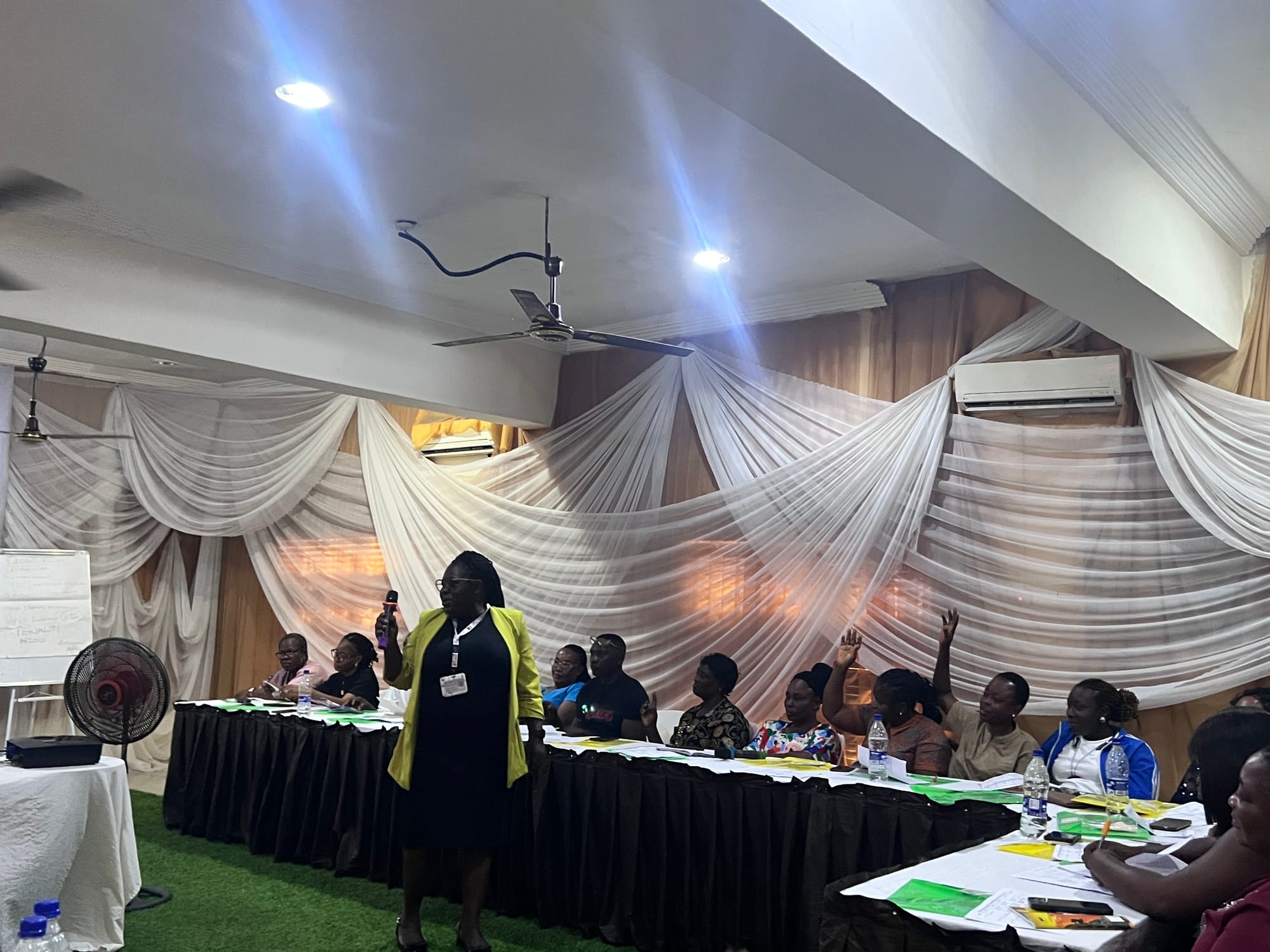
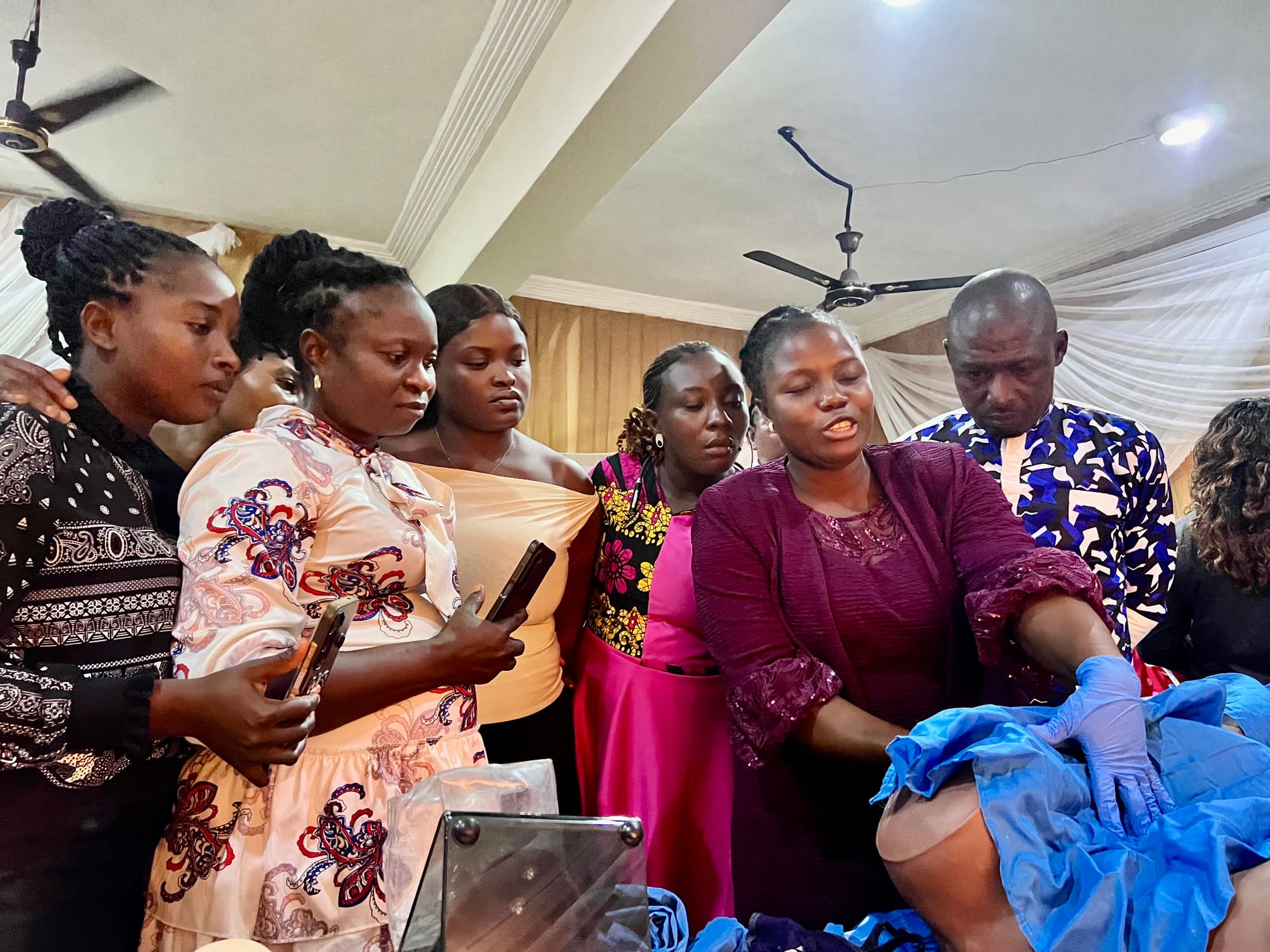
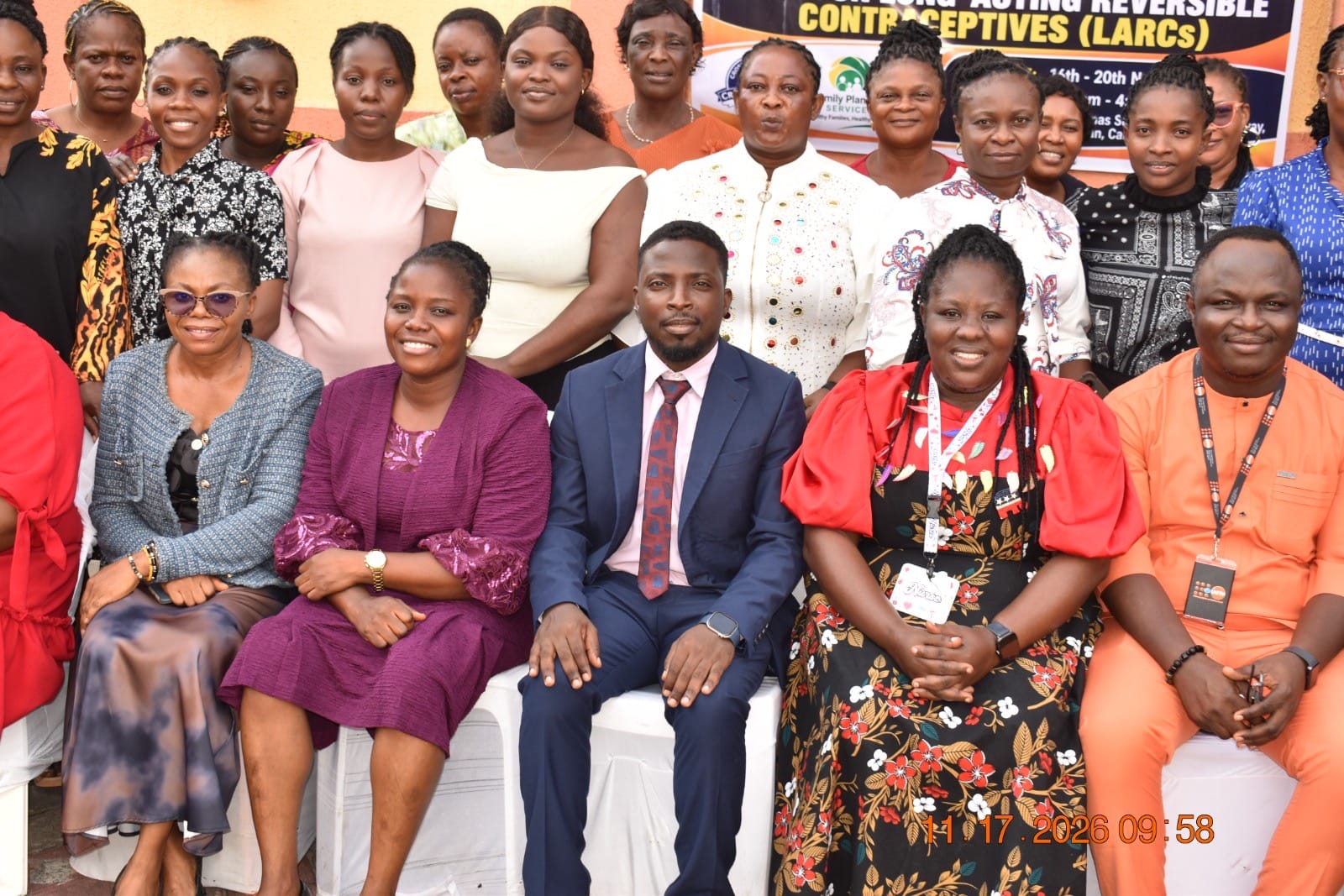
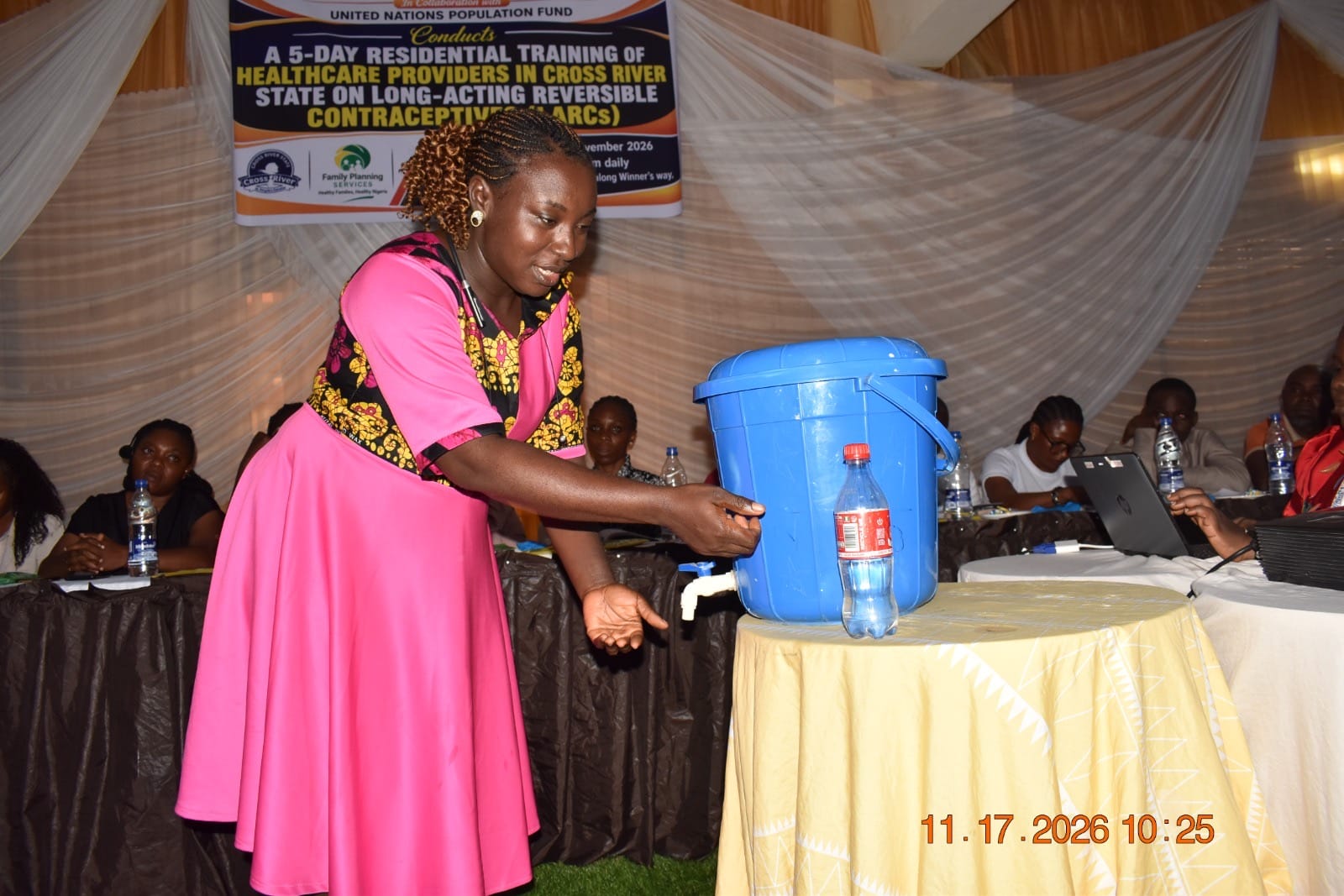
The training, which commenced on November 16 and is scheduled to end on November 20, 2026, is holding at Franphinas Suites, Winner’s Way, Esuk Utan, Calabar. The 30 participants, comprising 24 females and six males, were drawn from primary, secondary and tertiary health facilities across the state to strengthen their capacity to provide quality family planning services.
Declaring the training open on behalf of the Commissioner for Health, Dr. Henry Egbe Ayuk, the Permanent Secretary of the Ministry, Dr. Jonah Bassey Offor, welcomed the participants and urged them to approach the exercise with an open mind and a willingness to learn.
He encouraged the healthcare providers to take advantage of the practical sessions to improve their skills and ensure that the knowledge acquired translates into better service delivery in their respective facilities.
In a goodwill message on behalf of the Director-General of the Cross River State Primary Healthcare Development Agency, Dr. Vivien Mesembe Otu, Mr. Benjamin Elemi conveyed the agency’s support for the training and the strengthening of family planning services across the state.
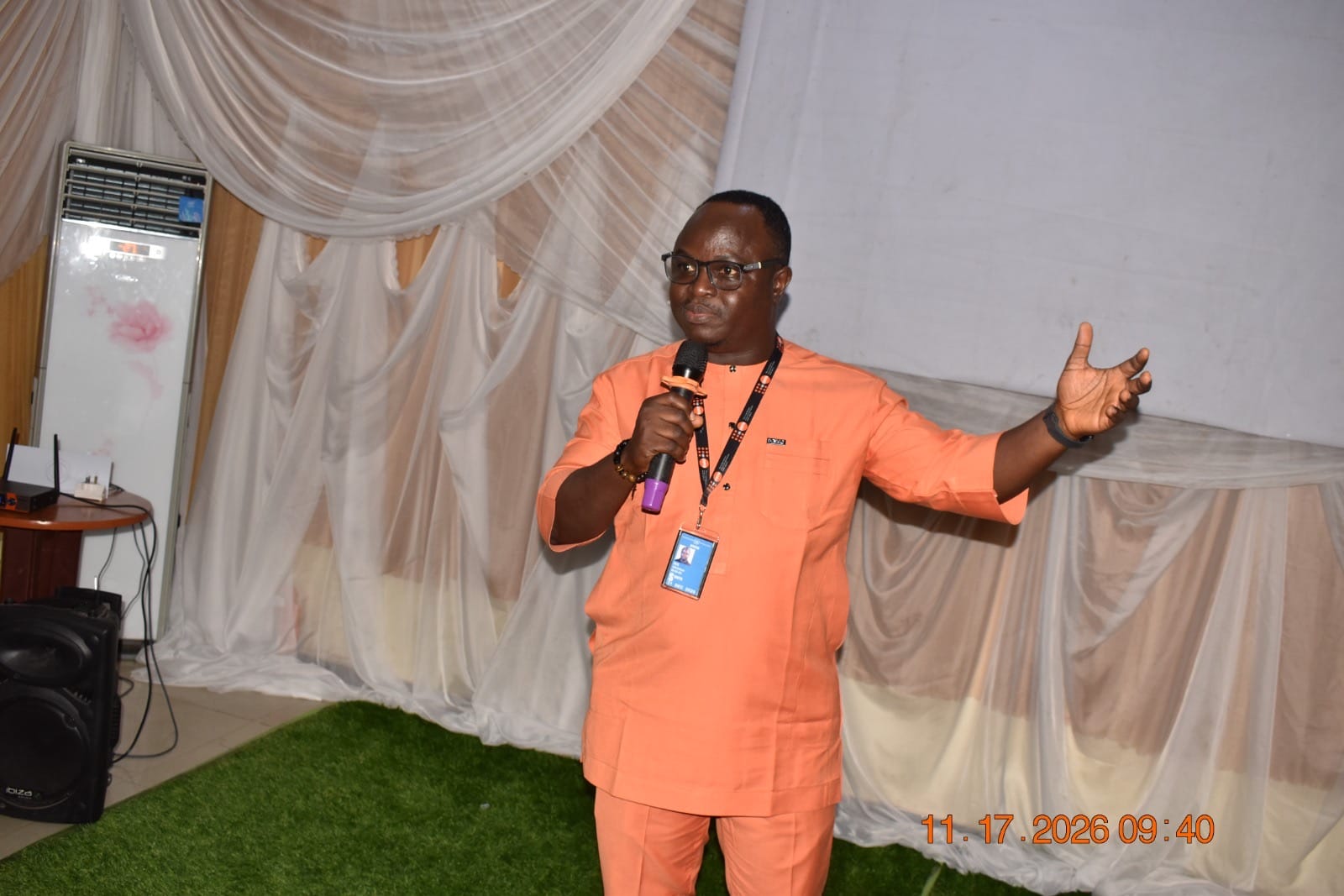
Dr. Kirima disclosed that Cross River had fulfilled its counterpart funding obligation for the second time, explaining that a significant portion of the funds had been committed to the family planning programme, including the procurement of contraceptive commodities.
He noted that despite the high demand for family planning services, access remained constrained by inadequate commodities, shortages of skilled personnel and limited equipment in some health facilities. He added that misconceptions and insufficient awareness also discourage some women and couples from accessing available services.
The UNFPA coordinator said the partnership with the state government was addressing these gaps through facility renovation, provider training, equipment support and the procurement of essential commodities. He urged the participants to apply their newly acquired skills and use service data to guide the provision of methods that reflect the preferences of clients.
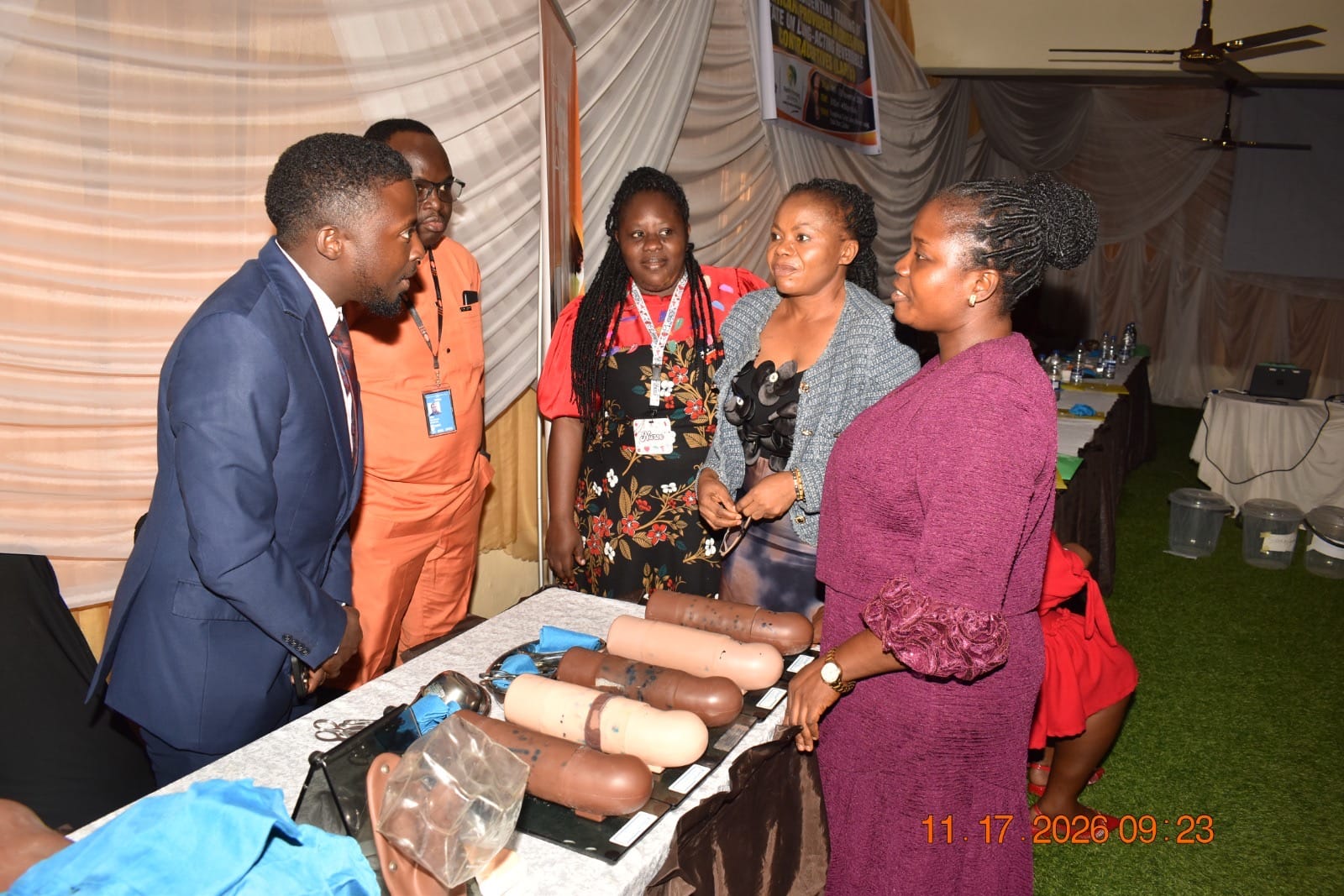
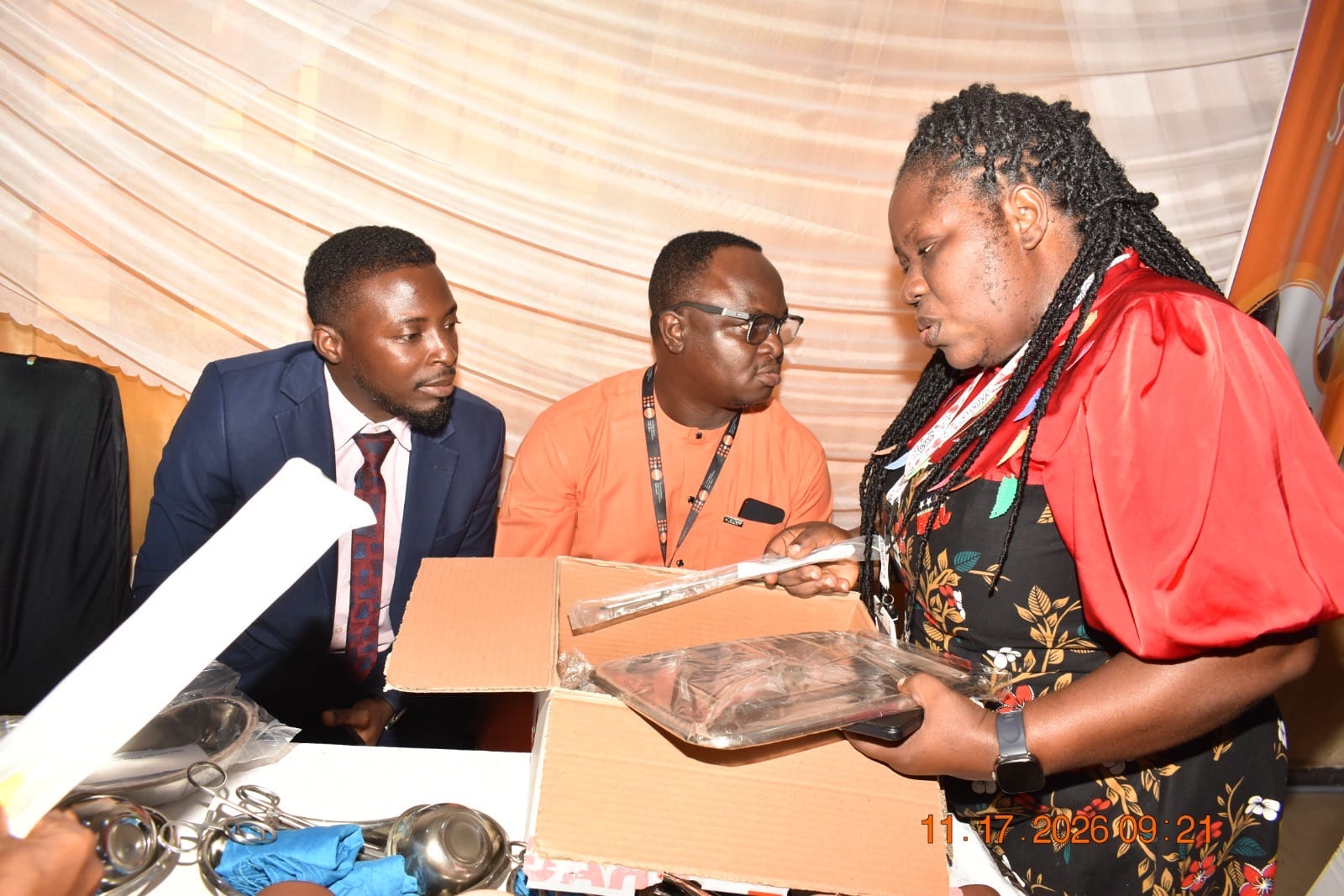
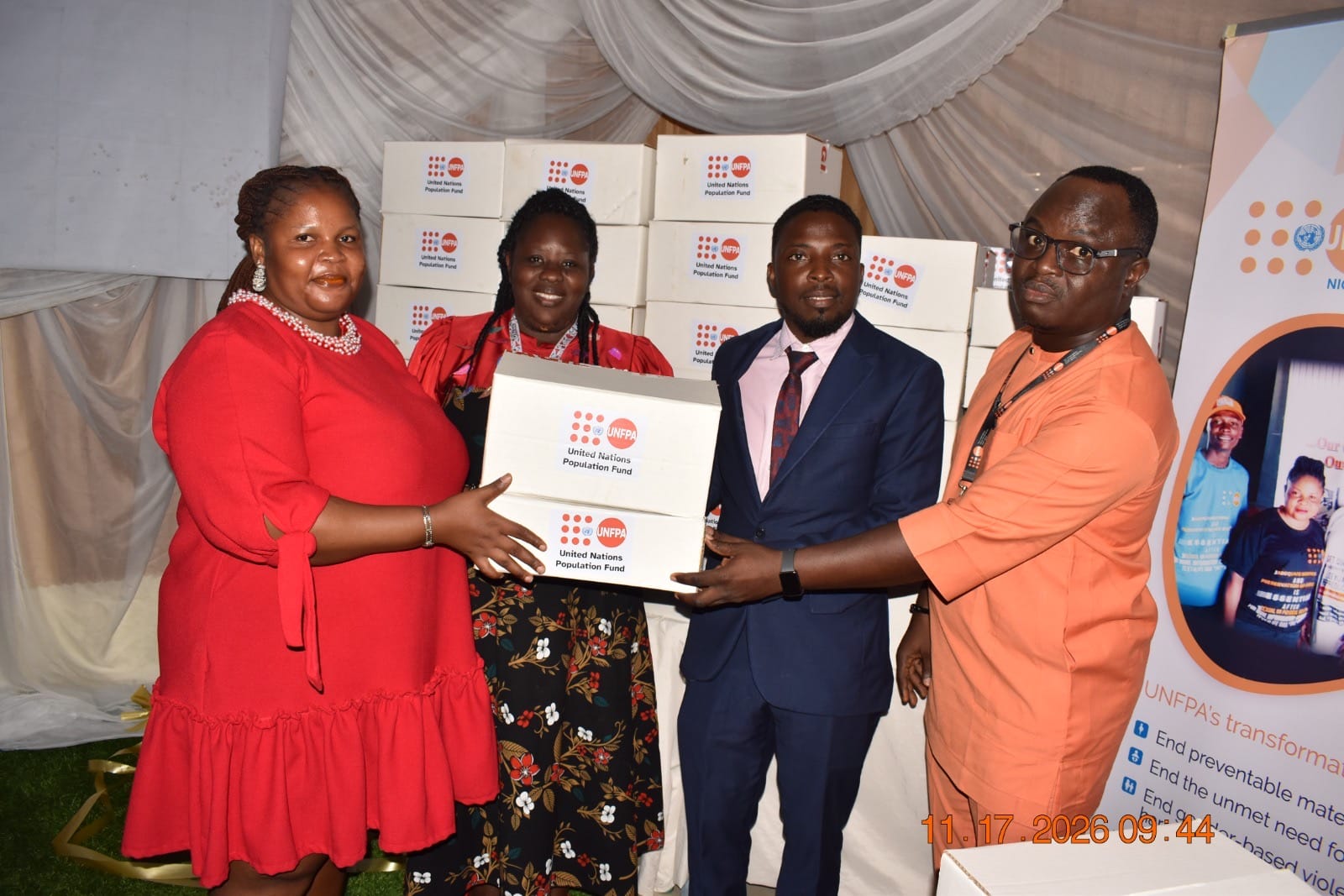
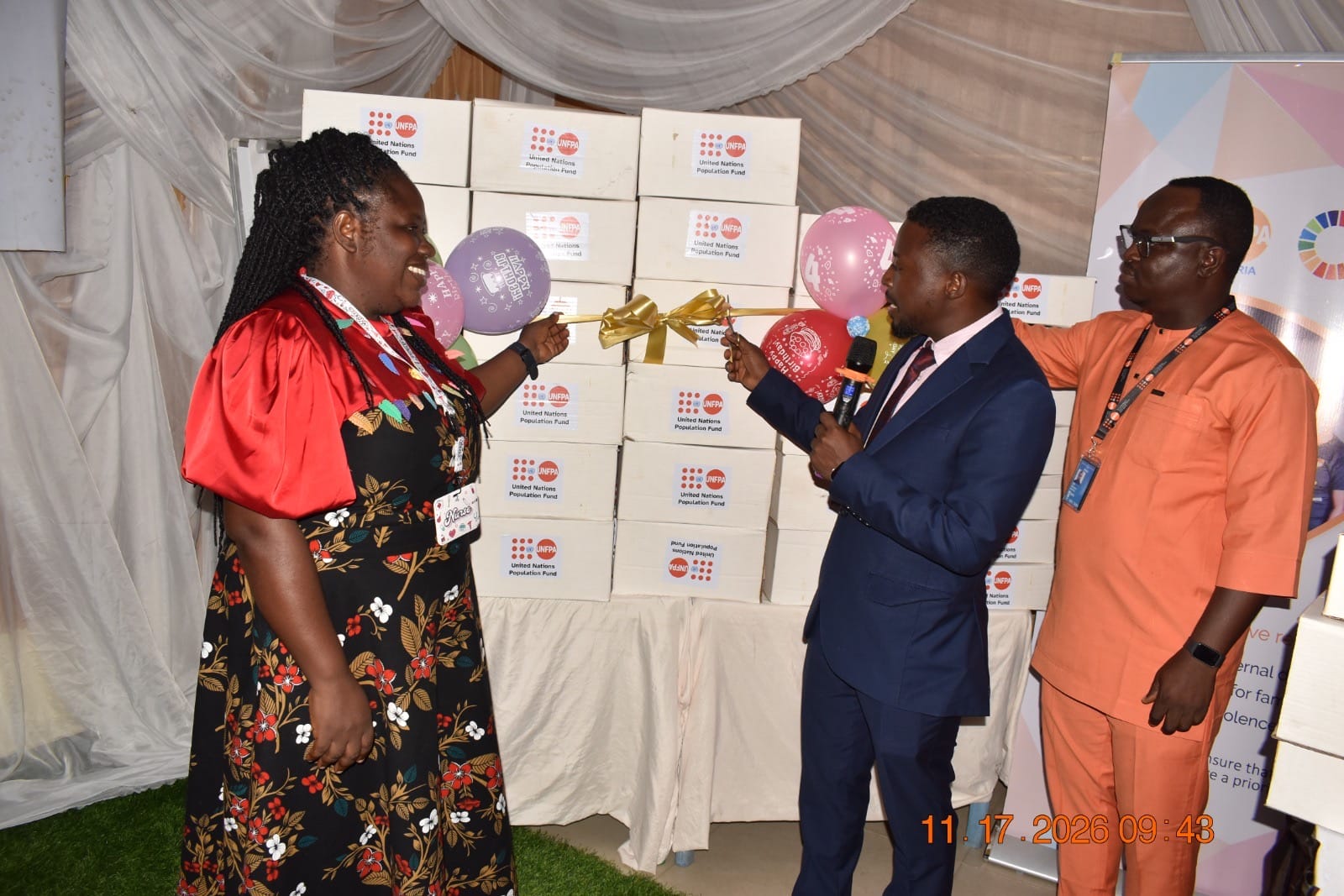
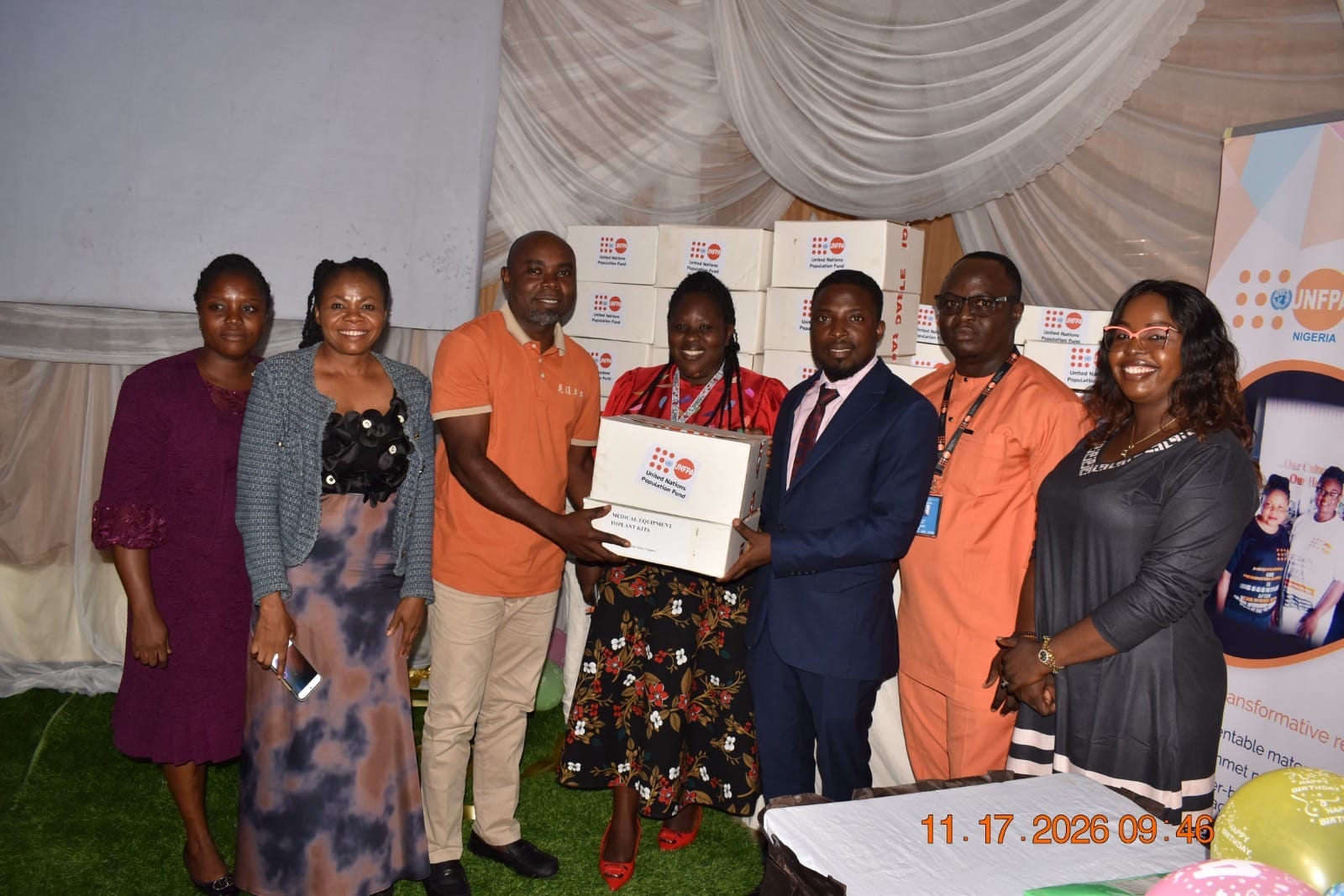
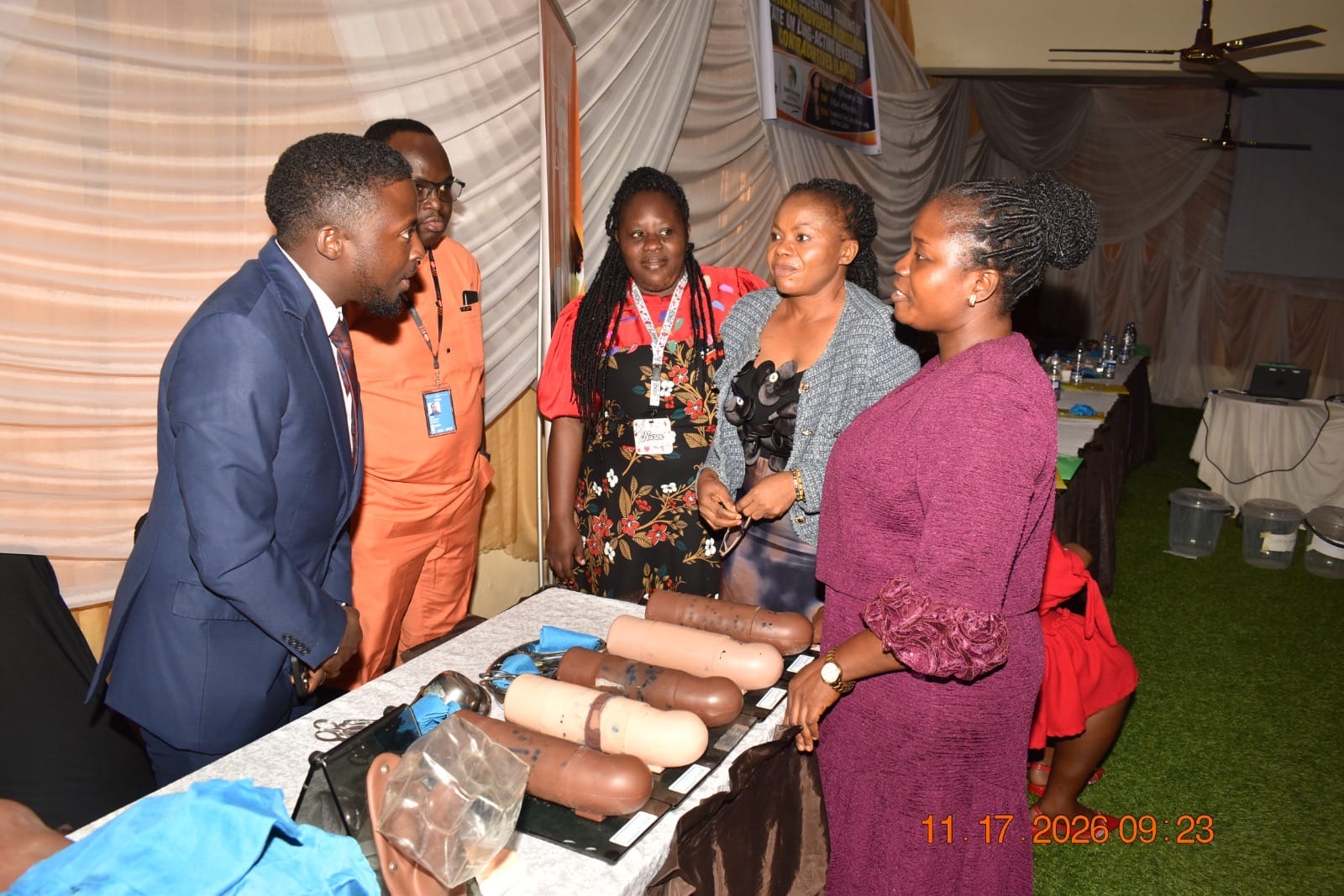
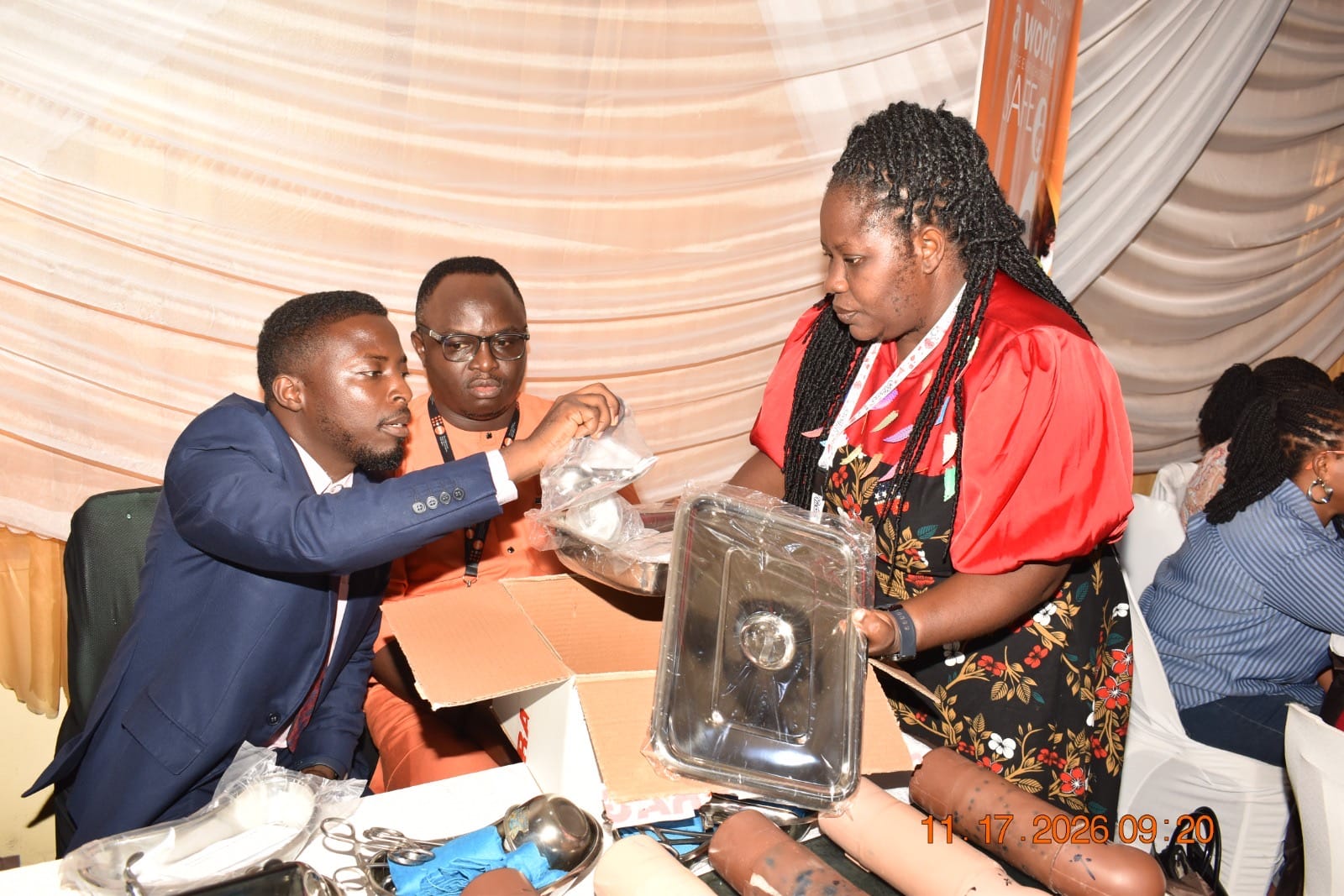
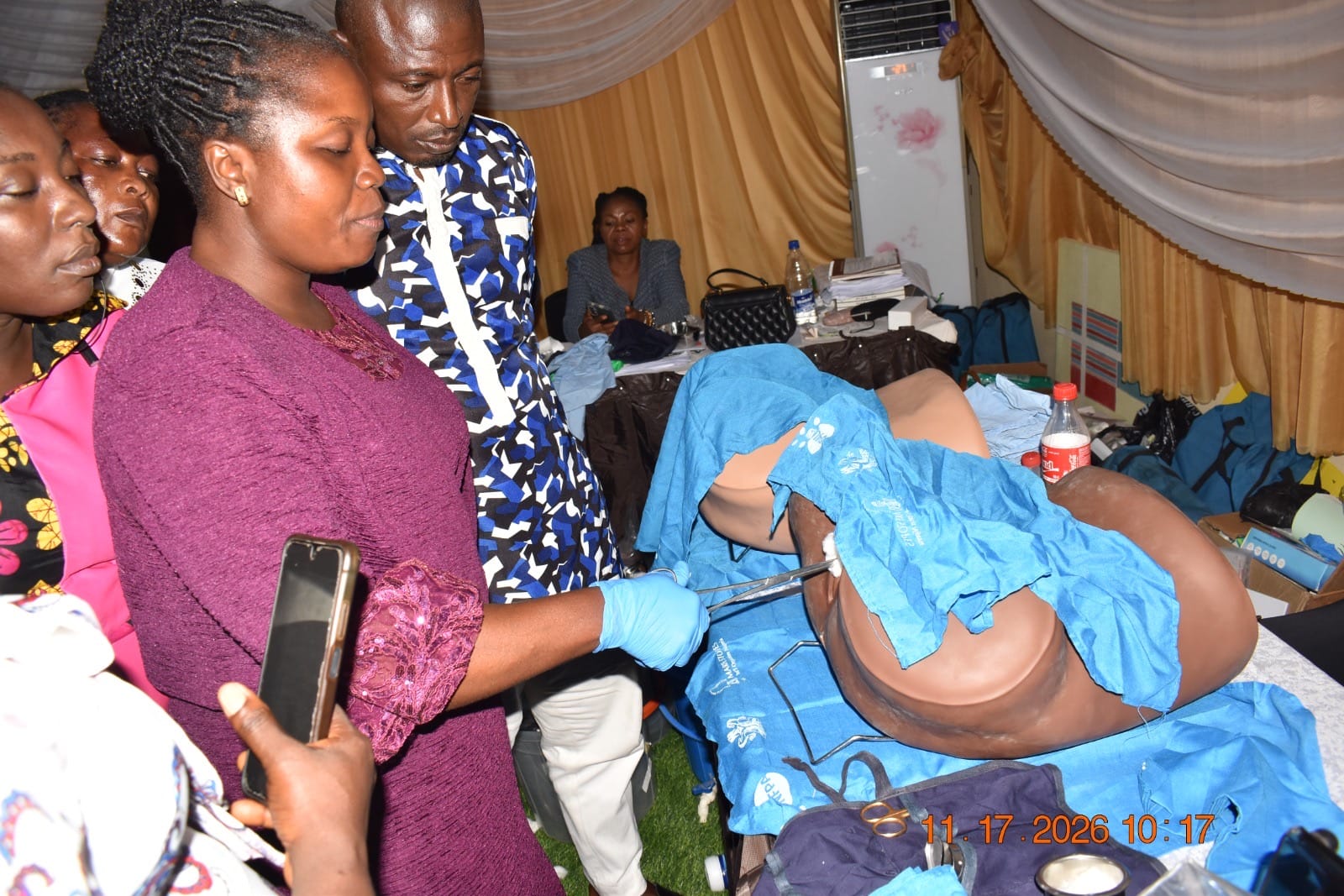
As part of its support for the training, UNFPA also procured and distributed intrauterine contraceptive device (IUD) insertion and removal kits, as well as implant insertion and removal kits, to all 30 participants to facilitate the delivery of these services in their respective health facilities.
Dr. Kirima further disclosed that the 30 healthcare providers undergoing the training would bring the total number of providers trained under the programme to 85, following an earlier cohort of 55. He also acknowledged the contributions of Dr. Shola and the State Family Planning Coordinator, Mrs. Katame Triumph, towards ensuring that the training took place before the end of the year.
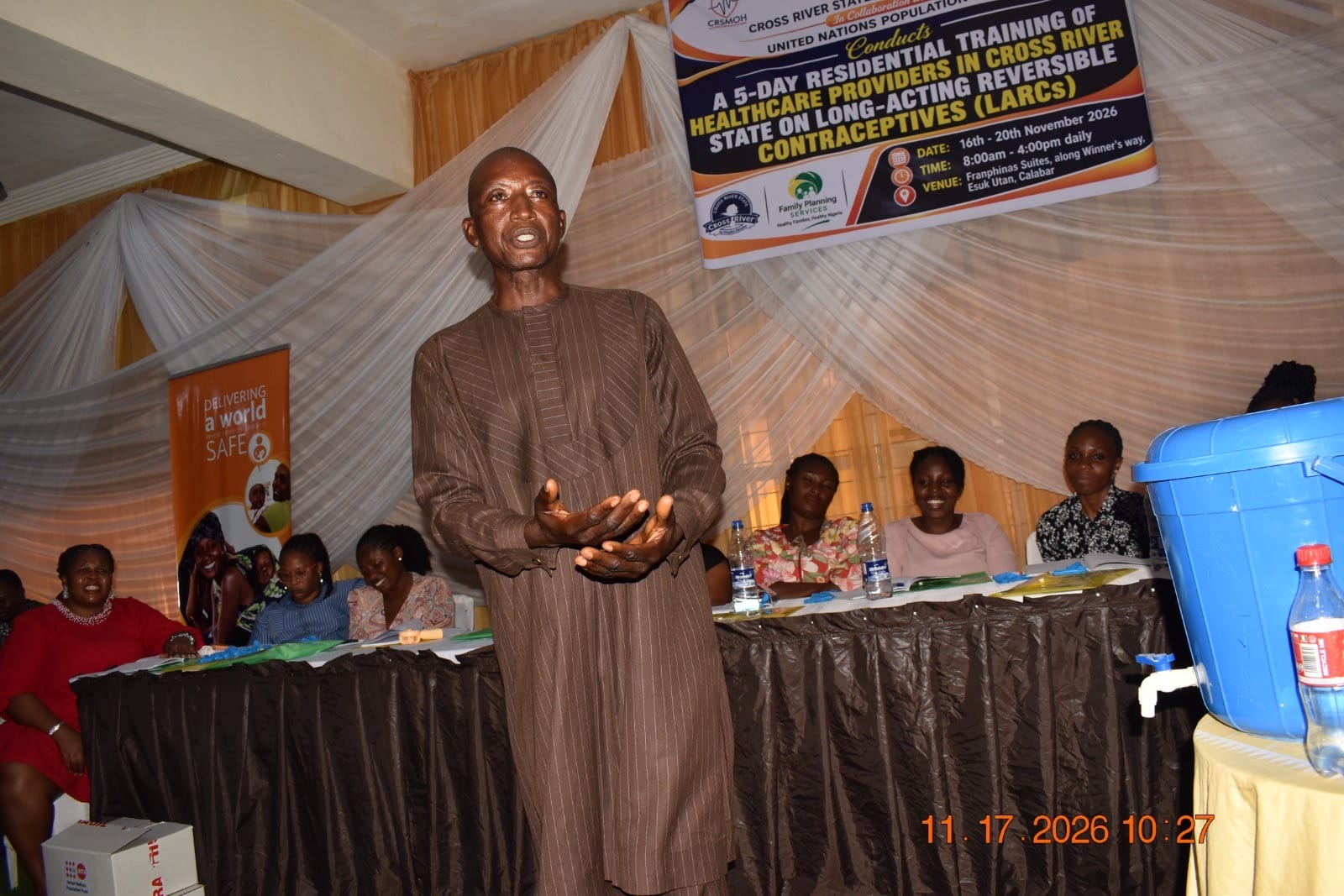
Dr. Sola Toye, Reproductive Health/Family Planning Analyst, UNFPA Cross River State Office, urged the participants to make effective use of the training, stressing that the investment in building their capacity would only be worthwhile if the skills acquired were properly applied. He disclosed that monitoring and supportive supervision would be conducted to assess their performance and ensure adherence to appropriate clinical procedures.
He observed that the state’s family planning indicators had improved compared with the situation five years ago, but maintained that further progress would depend on consistent efforts by healthcare providers and relevant stakeholders.
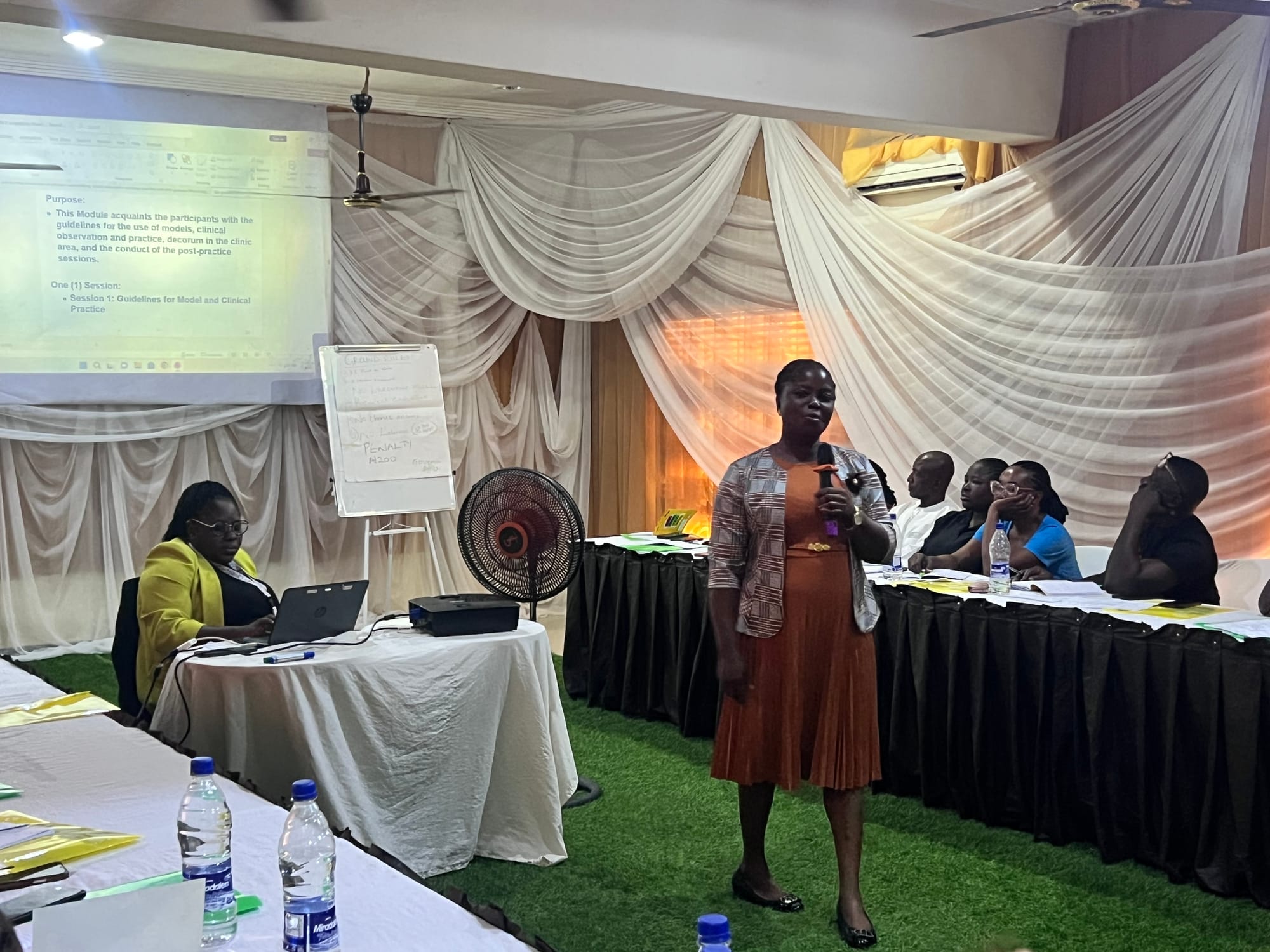
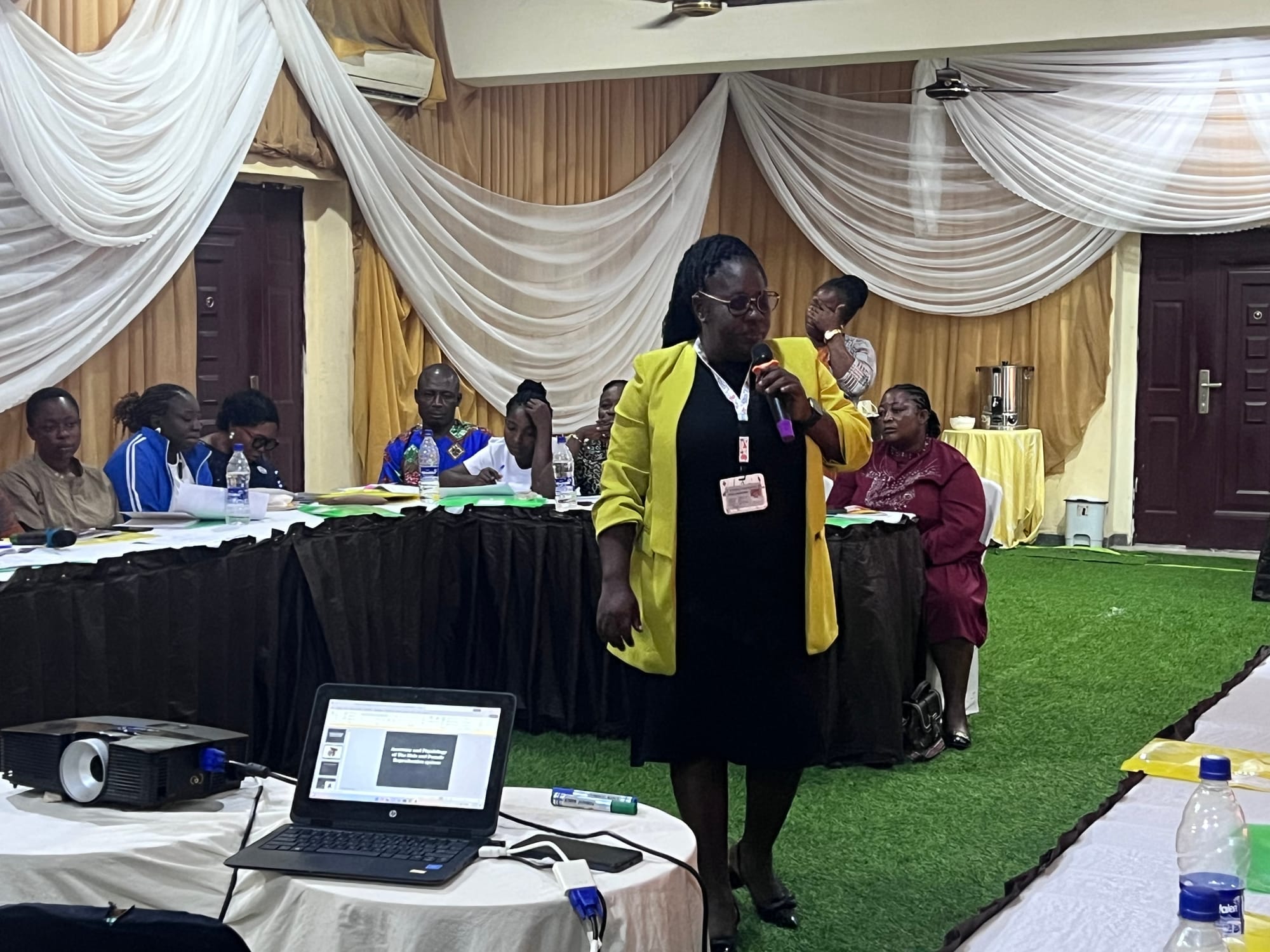
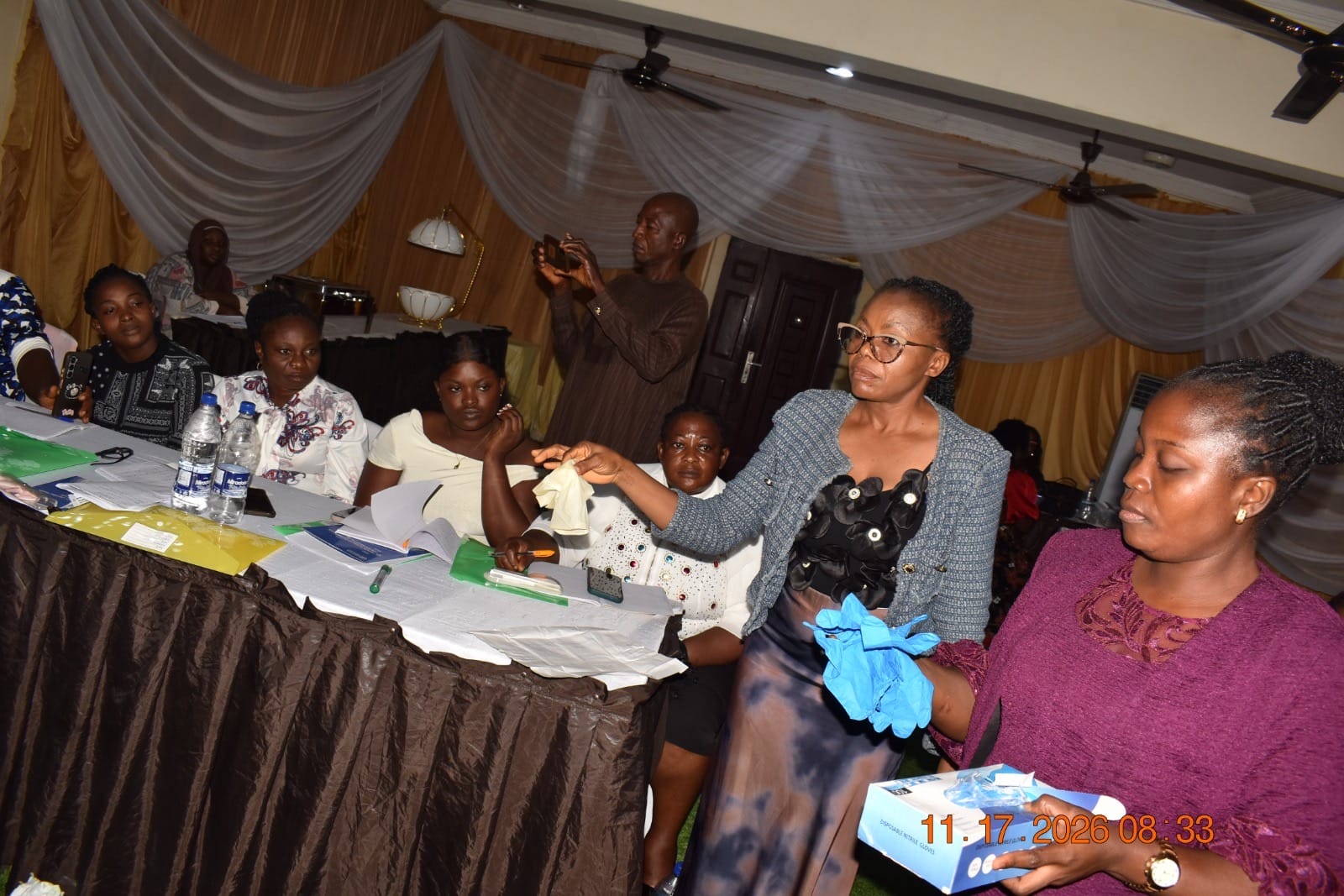
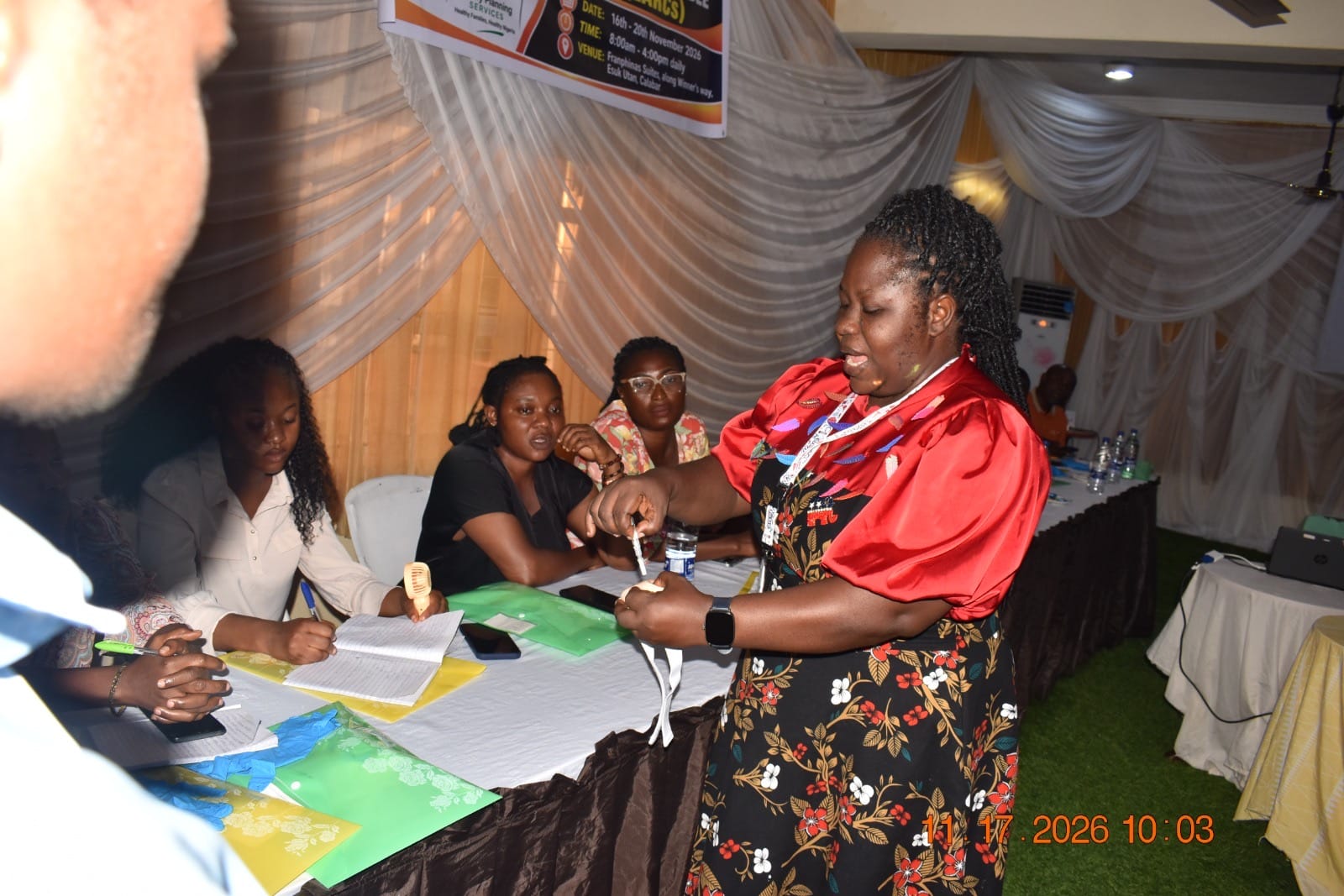
Mrs. Katame Triumph, who outlined the overview of the training, said it was designed to equip family planning providers with the knowledge and practical skills required to deliver LARC services. She explained that the sessions covered family planning methods available in Nigeria, the introduction to Medical Eligibility Criteria (MEC), client assessment, ethics of privacy and confidentiality, management of side effects, infection prevention and control, balanced counselling, record-keeping, health management information systems and contraceptive logistics management.
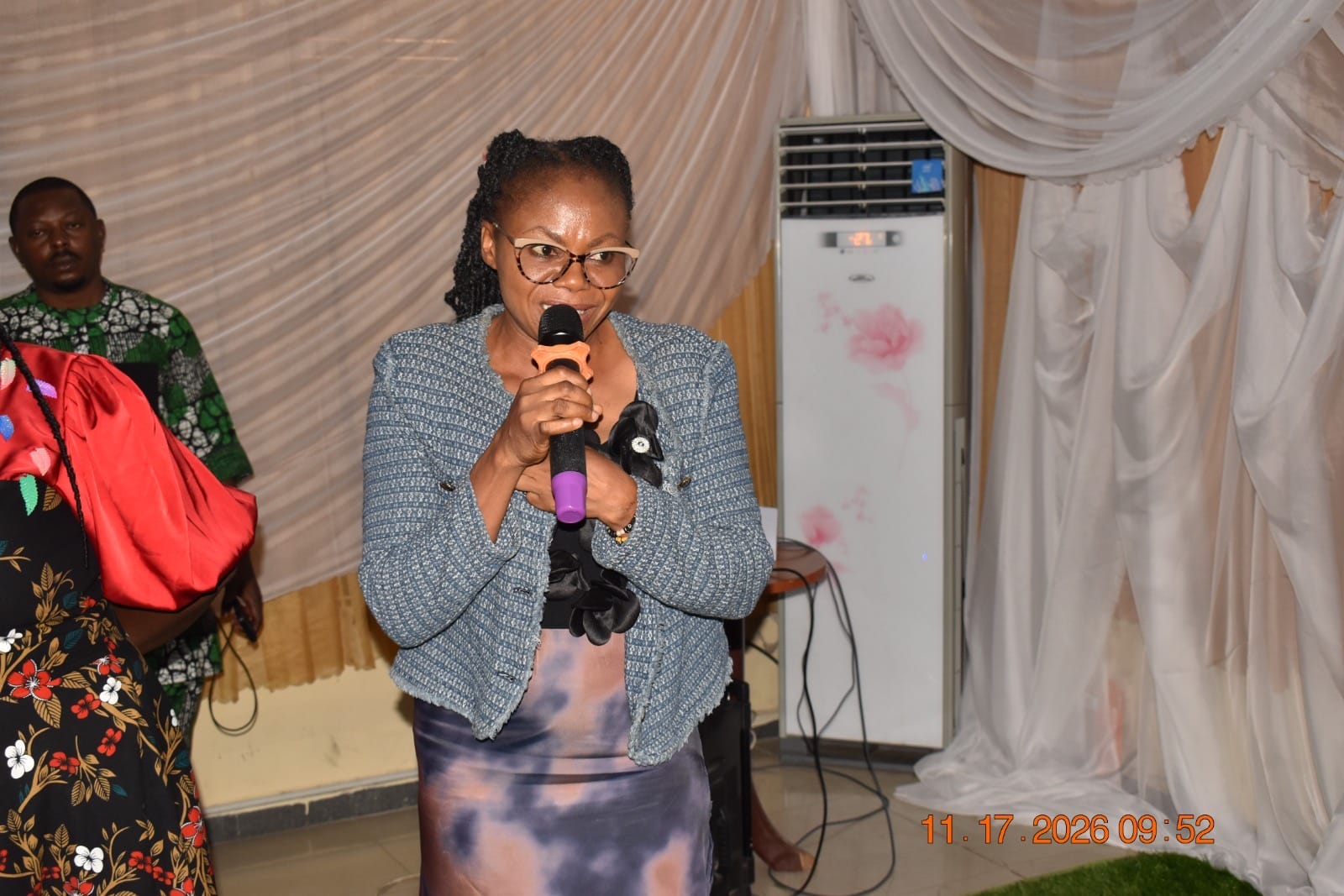
One of the participants and Deputy Provost of the College of Nursing Sciences, Calabar, Rev. (Mrs.) Rachael Eban, expressed appreciation to UNFPA and the State Ministry of Health for selecting a lecturer for the training.
She said the exercise had equipped her with additional knowledge and practical skills that would enable her to transfer the knowledge to student nurses at the college, thereby extending the benefits of the training beyond the participating health facilities.
Another participant, Mr. Wodah Denis, a Family Planning Provider at Obubra General Hospital, described the training as comprehensive and impactful, saying the sessions had improved his confidence in handling cases that previously left him uncertain about the appropriate services to provide. He appealed to the state government to recruit more health workers to address staffing shortages and excessive workloads in health facilities.
Esther Effiong, a Family Planning Provider at the University of Calabar Teaching Hospital, said the training had enabled participants to learn new skills, correct previous misconceptions and improve their understanding of LARCs. She pledged to provide clients with proper counselling, support informed choices and share the knowledge with colleagues, while advocating regular training for newly employed health workers and graduates.
The training is expected to conclude on November 20 with practical sessions at the General Hospital, Calabar, and Primary Health Centre, Ikot Omin, Calabar, where participants will have the opportunity to demonstrate and consolidate the clinical skills acquired during the exercise.

By Kingsley Agim