

Information is the lifeblood of governance. It shapes public perception, inspires confidence, preserves history and connects government with the governed. Recognising this reality, Governor Bassey Edet Otu made the revitalisation of Cross River State’s information ecosystem a strategic component of his People First Agenda, transforming what had long been regarded as a routine government communication apparatus into a dynamic instrument for transparency, citizen engagement and institutional efficiency.
Three years into the administration, the information sector has emerged as one of the state’s most improved sectors, recording remarkable progress in digital transformation, public communication, media relations, broadcasting, institutional strengthening and archival documentation. The reforms implemented between 2023 and 2026 have not only modernised government information management but have also significantly enhanced Cross River State’s visibility on the national and international stage.
Prior to 2023, many of the structures responsible for government information management had suffered years of neglect. Critical communication infrastructure was outdated, public engagement had diminished, digital platforms were inactive, and the Ministry of Information operated with severe manpower and technological limitations.

Governor Otu’s administration responded with deliberate investments aimed at rebuilding the Ministry into a modern public communication institution capable of meeting the demands of contemporary governance.
For the first time in well over a decade, the Ministry underwent comprehensive institutional revitalisation. Modern ICT equipment was procured, digital workflows introduced, and office operations significantly improved through technology-driven systems. Equally significant was the recruitment of 20 new personnel (information officers), ending a manpower deficit that had persisted for more than 13 years and injecting fresh capacity into government information management.
These reforms improved operational efficiency while laying the foundation for a more responsive and professional information service.
Perhaps one of the administration’s most visible achievements has been the deliberate repositioning of Cross River State within the national media landscape.
Under Governor Otu, the Commissioner for Information maintained consistent appearances on leading national television networks including Channels Television, AIT, ARISE News, TVC, NTA and other major platforms. These engagements provided opportunities to explain government policies, address public concerns, counter misinformation and showcase development initiatives across multiple sectors.
According to official records, Cross River’s national media visibility rose dramatically from approximately 28 percent in 2022 to about 78 percent by 2025, representing one of the most significant improvements in government media presence in recent years.
Beyond publicity, the initiative strengthened transparency, improved policy communication and restored public confidence in government information.
One of the landmark achievements of the administration was the revival of the Ministry of Information’s official website, www.moi.cr.gov.ng, which had remained inactive since 2015.

The restoration of the website was accompanied by the establishment of official social media platforms on Facebook, Instagram and X (formerly Twitter), creating an integrated digital communication ecosystem capable of reaching citizens both within Nigeria and across the diaspora.
These platforms now provide timely updates on government activities, policy decisions, public announcements and developmental projects, ensuring that citizens receive information directly from official sources.
Government estimates indicate that the digital platforms currently account for approximately 70 percent of the Ministry’s publicity reach, with a target of increasing coverage to 95 percent by 2027 through full integration with the state’s official digital platforms.
The daily publication and electronic distribution of government news bulletins to Ministries, Departments and Agencies have further strengthened real-time information dissemination and inter-agency communication.
One of the less publicised but highly significant reforms has been the restoration of official government documentation.
For years, several statutory government publications had suffered irregular production, affecting record keeping and legal documentation.
The Otu administration reversed this trend through the commercial printing and publication of Government Gazettes, White Papers, Tender Journals and all enacted state laws, including the 2025 Appropriation Law.
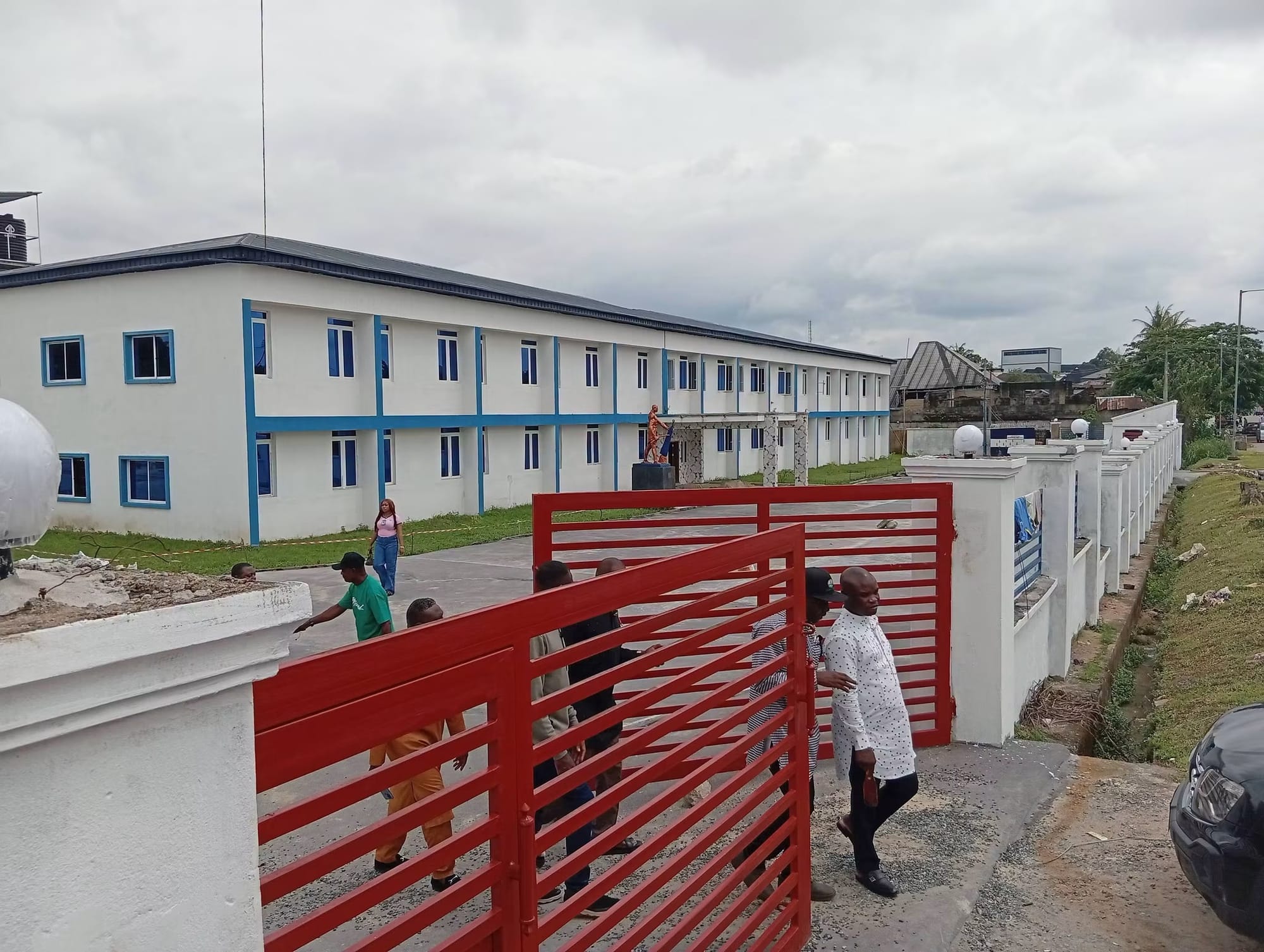
These publications have strengthened institutional memory, improved legal documentation, enhanced transparency and preserved important government decisions for future generations.
Similarly, the resumption and sustained production of official government bulletins since January 2023 has restored a vital information channel that had previously become inactive.
Another landmark achievement has been the revival of Giant Strides Magazine, the Ministry’s flagship publication showcasing government projects, programmes and development initiatives.
The magazine, which had not been published since July 2017, resumed publication in October 2023 and has remained consistent.
Within three years, seven editions have been completed, and more than 13,000 copies have been distributed across Nigeria.

Beyond public enlightenment, the publication now serves as an enduring documentary record of the Otu administration’s developmental journey and a valuable archival resource for future generations.
Governor Otu’s administration also demonstrated an appreciation for strategic storytelling as a tool for investment promotion and image building.
The production and nationwide broadcast of the documentary “Governor Otu @2” represented a significant milestone in government communication.
Aired on Channels Television, AIT, ARISE News, TVC, NTA and other national networks between May and June 2025, the documentary highlighted achievements across multiple sectors, projecting Cross River State to a nationwide audience and strengthening investor confidence in the state’s development agenda.
Combined with regular press briefings and sustained media engagements, these initiatives have ensured that government activities remain accessible, verifiable and visible.
While embracing digital communication, the administration equally recognised the importance of grassroots engagement.
Through sustained mass mobilisation campaigns, coordinated press releases, Information Officers deployed across Ministries, Departments and Agencies, and the Village Square Broadcast Programme, government information reached communities that traditionally had limited access to digital media.
The Village Square initiative particularly strengthened communication with traditional institutions, promoted indigenous values and ensured that government policies were explained in culturally relevant ways.
This combination of digital innovation and community engagement has significantly expanded the reach of government communication across urban and rural communities alike.
CRBC’s Digital Revolution
If the Ministry of Information experienced institutional renewal, the Cross River Broadcasting Corporation underwent a complete technological transformation.

Over the last three years, CRBC evolved from a conventional broadcasting station into a modern multimedia organisation.
The Corporation introduced a fully paperless digital newsroom, enabling real-time news production and significantly improving operational efficiency.
To guarantee uninterrupted broadcasting despite Nigeria’s persistent power challenges, four television and radio studios were equipped with inverter systems, virtually eliminating on-air interruptions caused by electricity outages.
Additional investments included the installation of a new 20/2-kilowatt radio transmitter, a 13KVA electrical substation, comprehensive remodelling of radio studios, reception areas, conference facilities and newsroom infrastructure, as well as the acquisition of a new operational vehicle.
These improvements have substantially enhanced staff productivity and broadcast quality.

Perhaps the most transformative achievement at CRBC has been the expansion of its audience beyond traditional terrestrial broadcasting.
Television services were migrated to satellite and Free-to-Air platforms, while Radio Garden integration enabled global online radio streaming.
The launch of the Naija TV mobile application, migration to the GOtv platform and government-supported NIGOSAT carriage services further expanded access to Cross River programming.
Today, CRBC reaches audiences across more than ten local government areas while simultaneously serving viewers and listeners across Nigeria and the international diaspora.
For the first time, Cross River’s stories are being told simultaneously to local communities and global audiences.
Understanding the changing media landscape, has CRBC established a modern podcast studio through collaboration with diaspora media partners in the United States.
This initiative has opened new opportunities for digital content production while positioning the Corporation to compete within today’s evolving multimedia environment.
Equally important was the expansion of indigenous language programming following the acquisition of National Broadcasting Commission thematic language licences.

Combined with tourism-focused programmes, these initiatives have strengthened cultural preservation while promoting Cross River’s rich heritage to wider audiences.
Strengthening Institutional Capacity
Beyond infrastructure and technology, the administration has invested heavily in institutional development.
Participation in national fora of Information Commissioners under the Progressive Governors’ Forum has enhanced intergovernmental collaboration while improving policy coordination and professional networking.
The remarkable transformation recorded in the information sector has also attracted national recognition for the Honourable Commissioner for Information, Dr. Erasmus Ekpang, whose leadership has earned him several prestigious media and public communication awards from reputable professional bodies and organizations across the country. In further affirmation of Cross River State’s growing influence in public communication, the Commissioner was unanimously elected Secretary of the Forum of Commissioners for Information in All Progressives Congress (APC)-governed states, a development widely regarded as a testament to the administration’s innovative communication strategy, institutional reforms and outstanding contributions to information management at both the state and national levels.
Dr. Ekpang also facilitated the acquisition of land for the construction of the Cross River State Secretariat of the Nigerian Institute of Public Relations (NIPR), popularly known as the Image House. The allocation, which received the approval of Governor Bassey Otu, has culminated in the commencement of construction of the edifice. The project is expected to provide a permanent institutional base for the NIPR in the state, strengthen professional public relations practice, promote capacity development and further reinforce Cross River’s standing as a hub for excellence in strategic communication and information management.
Coverage of major state ceremonies, including Democracy Day, Independence Day, Children’s Day and anniversary celebrations of the People First Administration, has ensured that important moments in the state’s history are professionally documented and preserved.
Meanwhile, the continued publication of over 173 editions of the Nigerian Chronicle and Weekend Chronicle has sustained the state’s print media presence and enriched the historical archive of government activities.
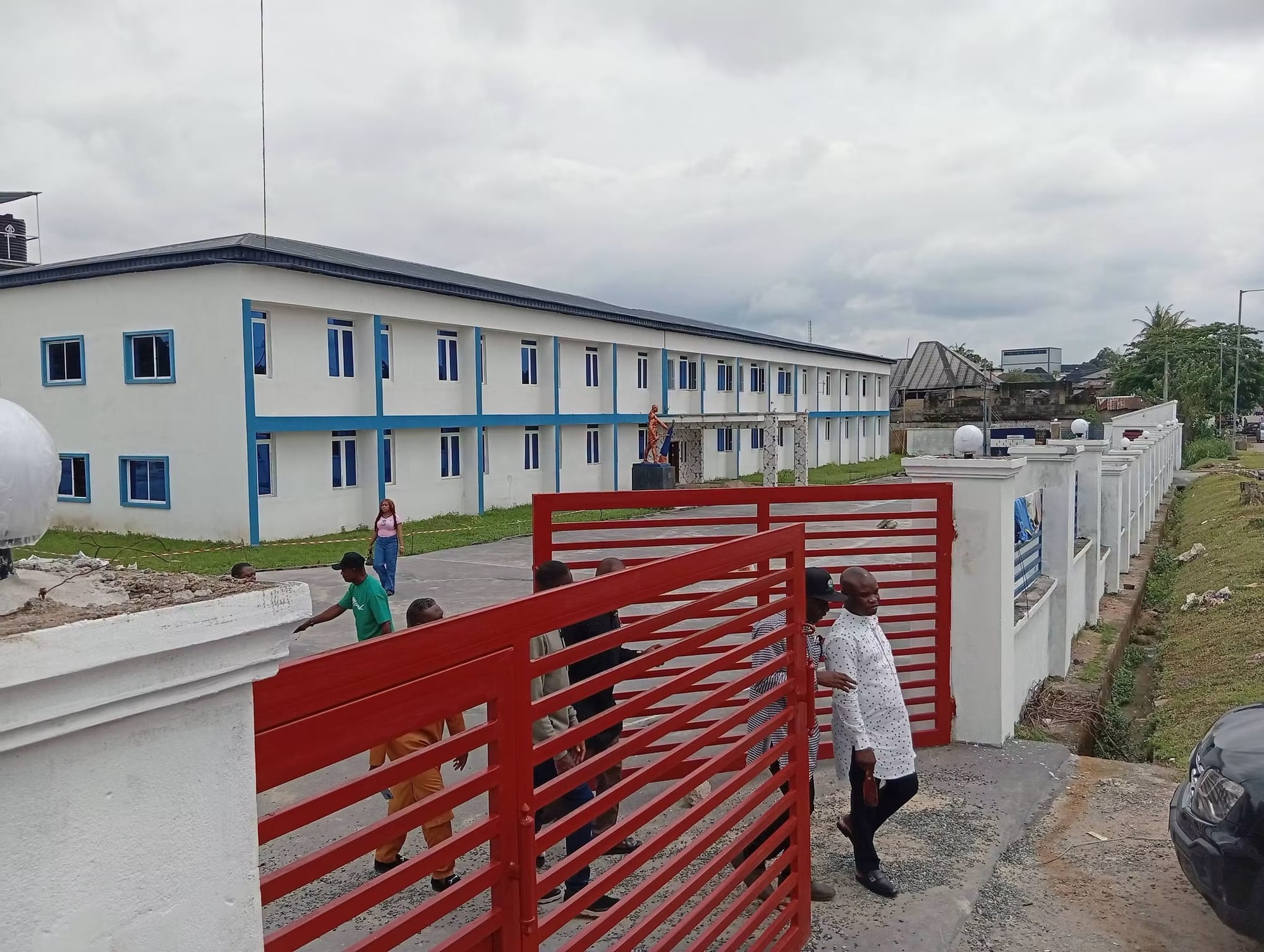
Another significant milestone has been the near-completion of the comprehensive restoration of the Cross River State Newspaper Corporation complex, which was extensively vandalised and destroyed during the #EndSARS protests in 2020. The rehabilitation of the corporation’s facilities represents the administration’s commitment to rebuilding critical public institutions and restoring the state’s capacity for public information dissemination through its flagship newspapers.
In furtherance of this objective, the Otu administration has also procured modern digital printing equipment for the restoration of the Government Printing Press. When fully operational, the facility will not only guarantee greater confidentiality in the printing of sensitive government documents, gazettes, white papers and other official publications, but will also position the state to generate additional revenue through commercial printing services for public and private organisations.
These complementary investments underscore Governor Otu’s broader vision of rebuilding the entire government information value chain, from content creation and documentation to printing, publishing and distribution, while strengthening institutional self-reliance, improving operational efficiency and creating new economic opportunities within the information sector.

Ultimately, the achievements recorded in the information sector extend far beyond improved publicity.
They represent the deliberate construction of an open, digitally connected and citizen-focused governance system.
Through stronger communication channels, modern broadcasting infrastructure, revitalised institutional capacity, enhanced digital engagement, improved archival systems and broader media visibility, Governor Bassey Otu has repositioned information as a strategic instrument for development rather than merely a vehicle for publicity.
The reforms have strengthened transparency, increased citizen participation, expanded access to government information and restored confidence in public communication.
Three years after assuming office, Governor Bassey Edet Otu has transformed Cross River’s information sector from a largely analogue, under-resourced system into a modern, technology-driven communication ecosystem.
From reviving dormant digital platforms and modernising government documentation to repositioning CRBC for global broadcasting and restoring Cross River’s voice on the national media stage, the administration has demonstrated that effective governance depends as much on how government communicates as on what it delivers.

As the state advances toward deeper digital governance, broader citizen engagement and stronger institutional transparency, the reforms implemented between 2023 and 2026 have laid a durable foundation for an information sector that is not only more efficient and innovative but also better equipped to serve the people of Cross River State in the years ahead.
Kingsley Agim, writes from the Cross River State Ministry of Information