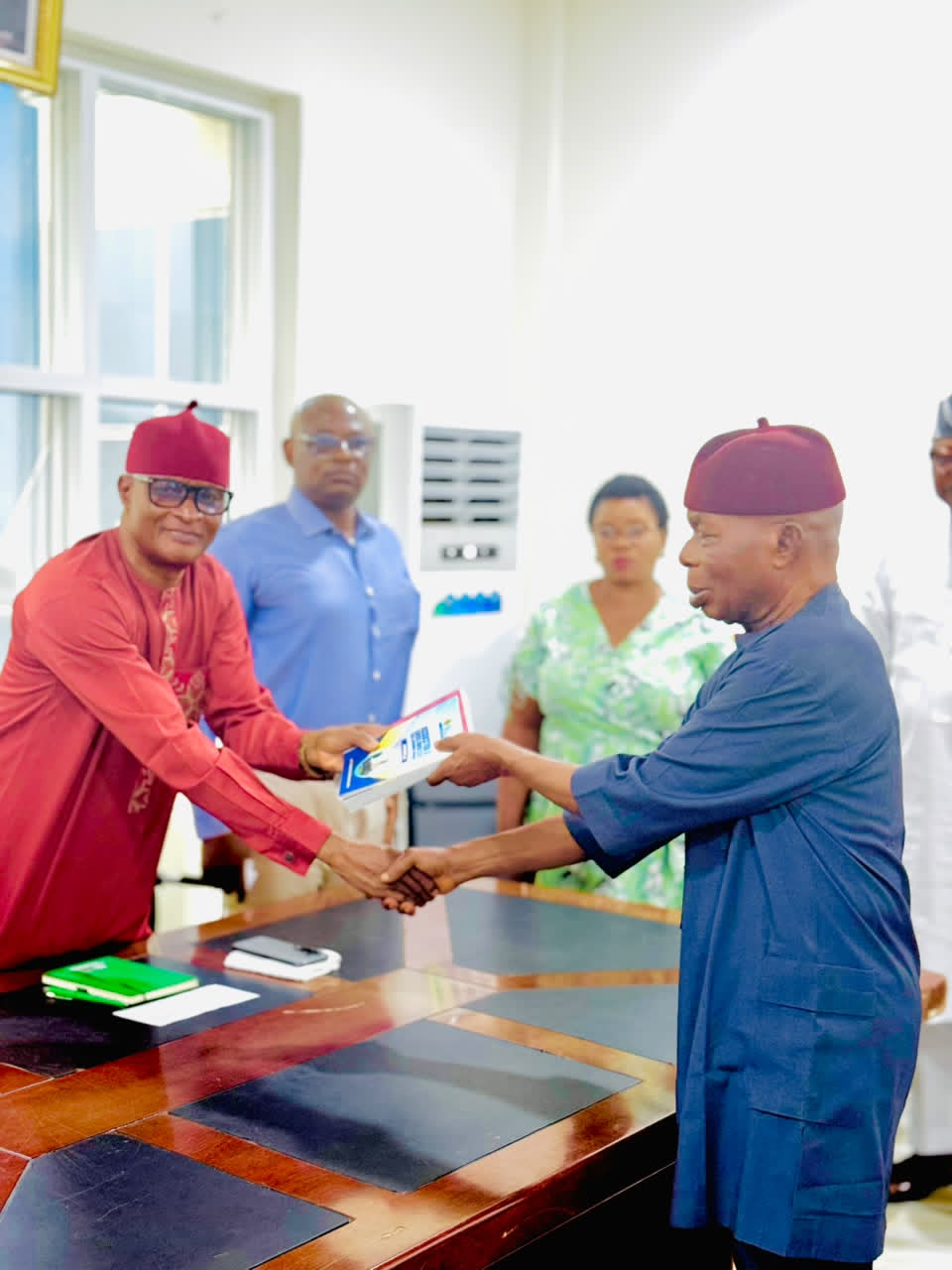
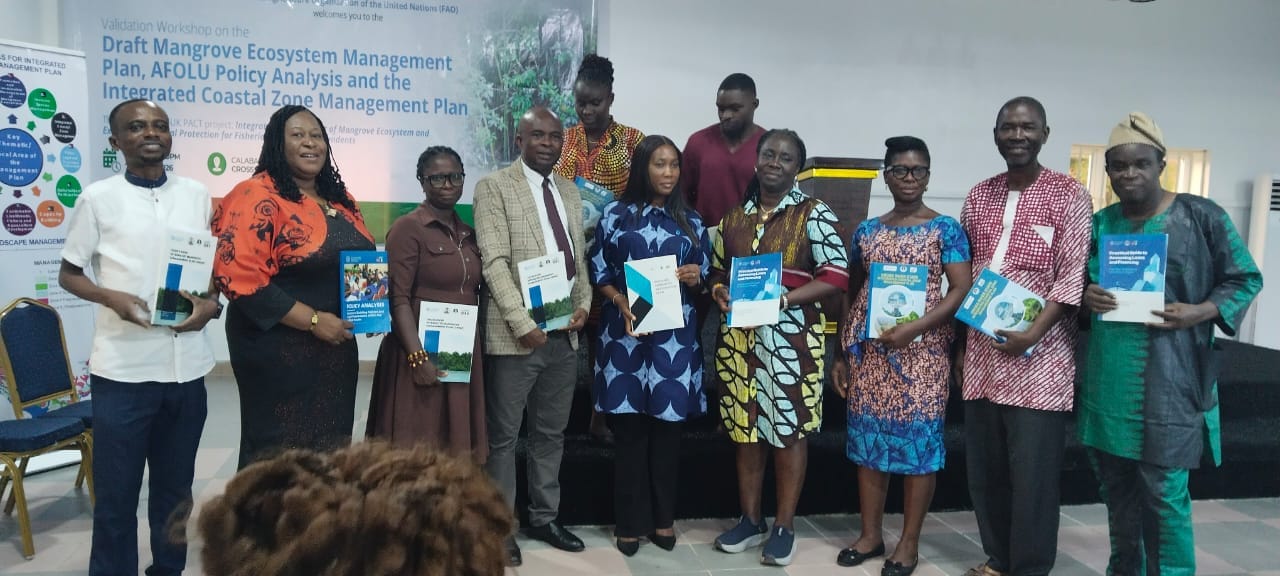
The Commissioner for International Donor Coordination, Elder Hippolatus Ogar Lukpata, has reaffirmed that mangrove ecosystems remain one of the most valuable natural assets in which Cross River State holds a comparative advantage in Nigeria.
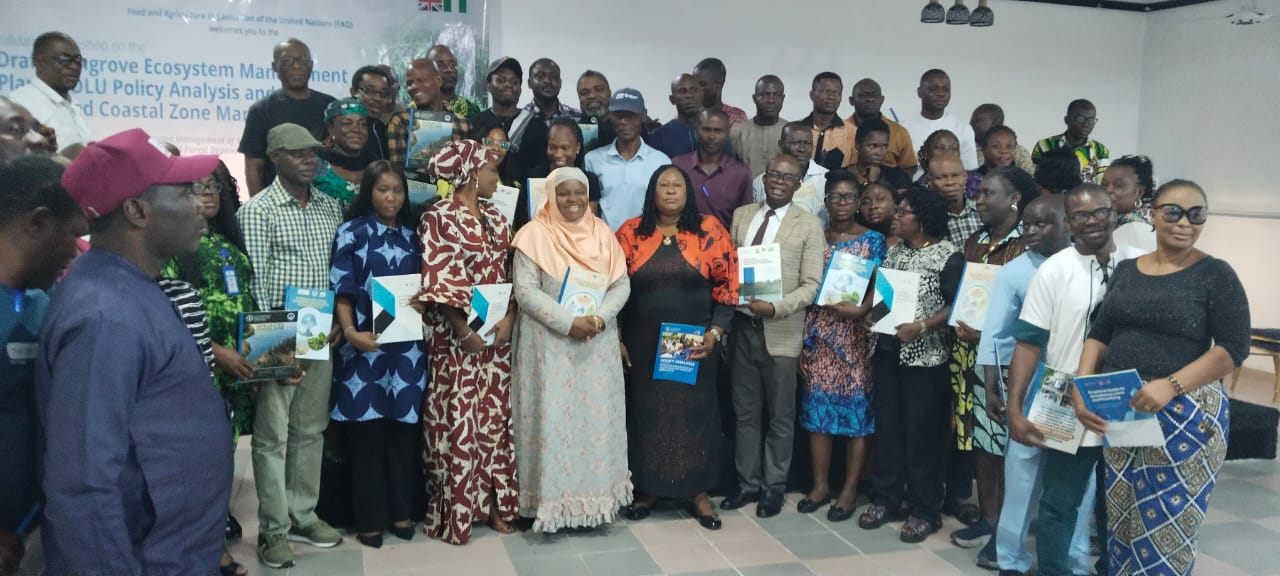
The Commissioner made this known while declaring open a two-day validation workshop on the Draft Mangrove Ecosystems Management Plan, AFOLU Policy Analysis and Integrated Coastal Zone Management Plan held at April’s Hotel, State Housing Estate, Calabar.
Speaking at the event, Lukpata noted that mangroves provide livelihoods for coastal communities, protect shorelines from erosion and flooding, support biodiversity, and contribute significantly to climate resilience and sustainable economic development.
He, however, expressed concern over the increasing environmental pressures and human activities threatening these vital ecosystems, stressing the urgent need for coordinated and sustainable management approaches.
According to him, the validation workshop represents a critical step toward ensuring that the management plan reflects the collective aspirations, technical expertise, and practical realities of all stakeholders. He added that the initiative also demonstrates a shared commitment to environmental sustainability, community participation, and effective collaboration among government institutions, development partners, and local communities.
Lukpata further stated that the Ministry recognizes the importance of strategic partnerships in mobilizing both technical and financial support for environmental protection and sustainable development initiatives. He pledged the Ministry’s continued commitment to fostering collaboration that will guarantee the successful implementation of the plan for the benefit of present and future generations.
Also speaking, Dr Ogunkua Nifesime, Coordinator of the United Kingdom Partnership for Accelerated Climate Transition (UK-PACT), expressed satisfaction with the steps being taken by the State Government, noting that Cross River is steadily building on previous efforts in environmental sustainability. She also commended the State Government for providing a conducive environment for partnership and collaboration.
Similarly, Dr. Okon Asuquo expressed excitement that Cross River State is positioning itself as a leading force in Africa within the sector.
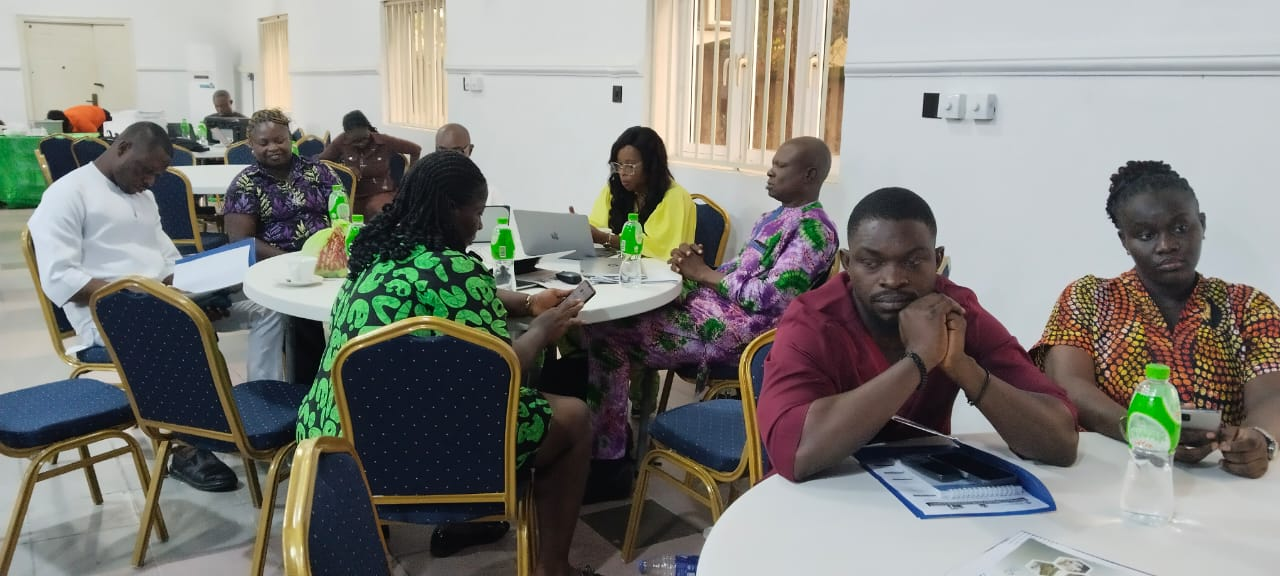
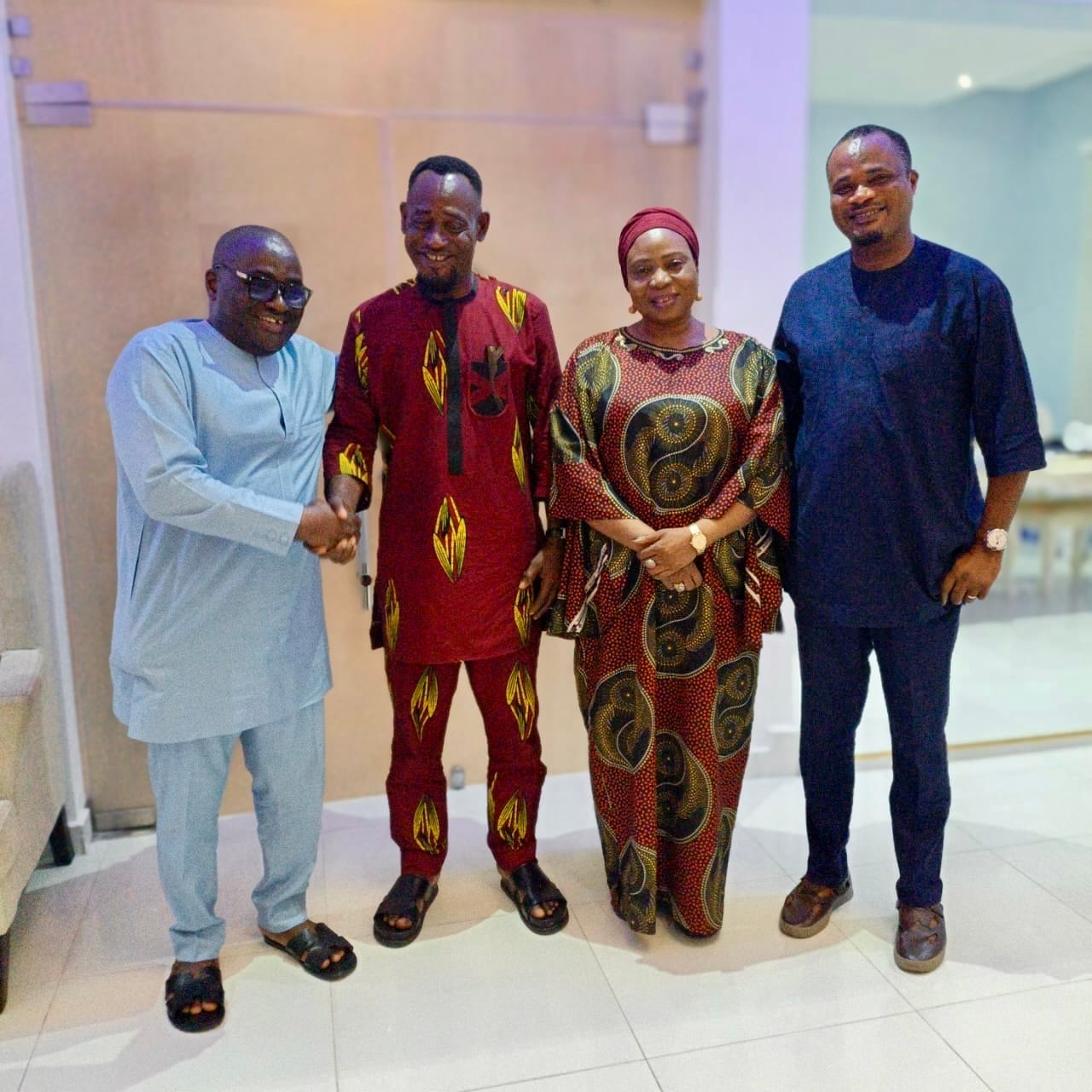
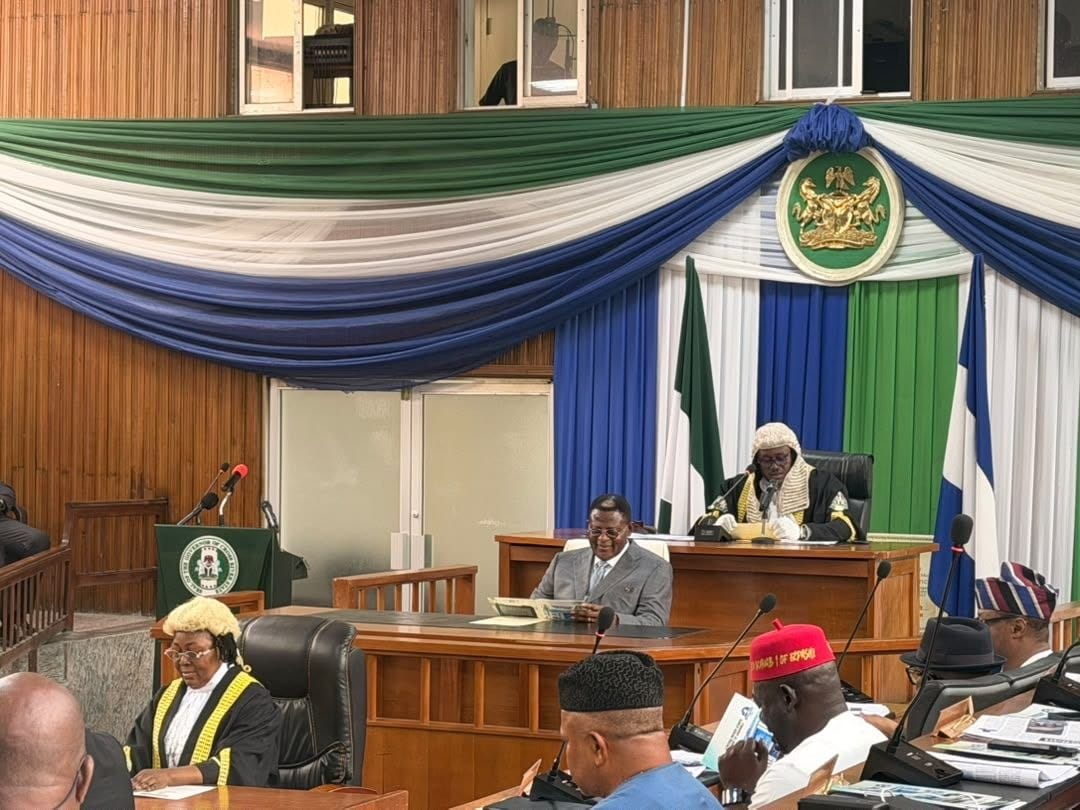
The workshop attracted representatives from government agencies, traditional institutions, civil society organizations, academia, and other key stakeholders.
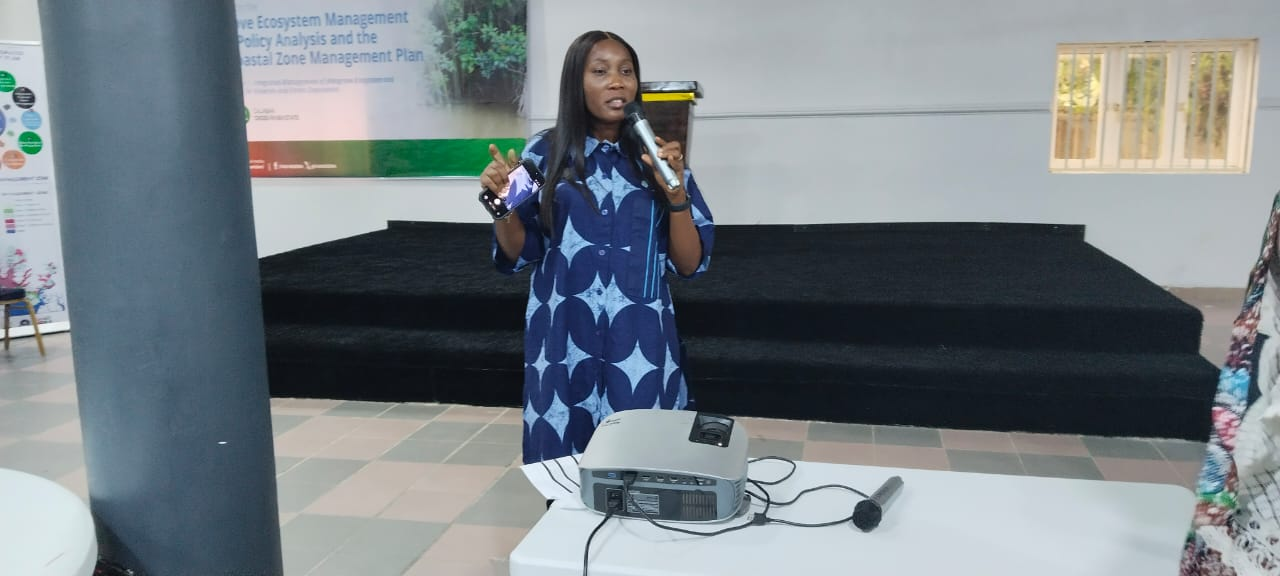
Highlights of the event included paper presentations on various thematic areas, plenary sessions on technical issues, presentation of a communiqué, the unveiling of documented achievements, and goodwill messages from stakeholders.
By Iloke Egbe