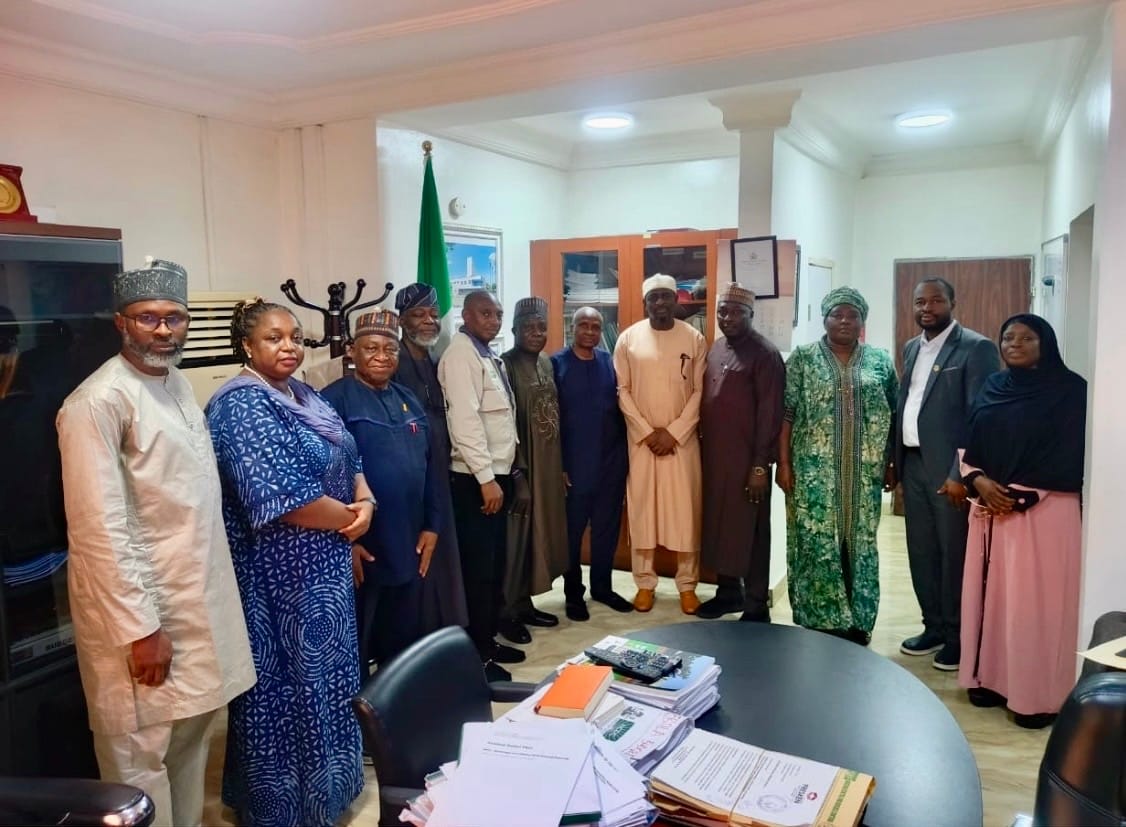

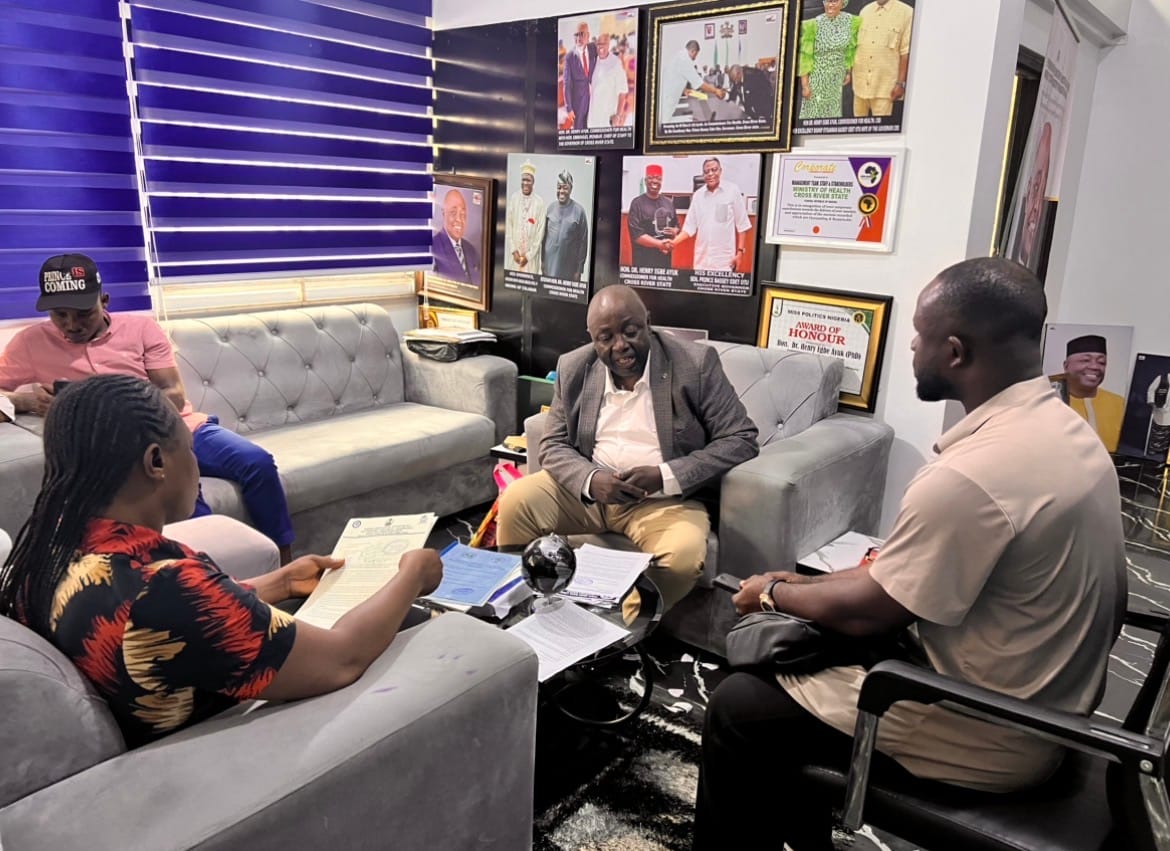
The Cross River State Commissioner for Health, Dr. Henry Egbe Ayuk, has tasked members of the National Health Fellows (NHF), Cohort 2.0, with strengthening grassroots interventions, improving information flow within the health system and documenting their achievements to support planning and service delivery.
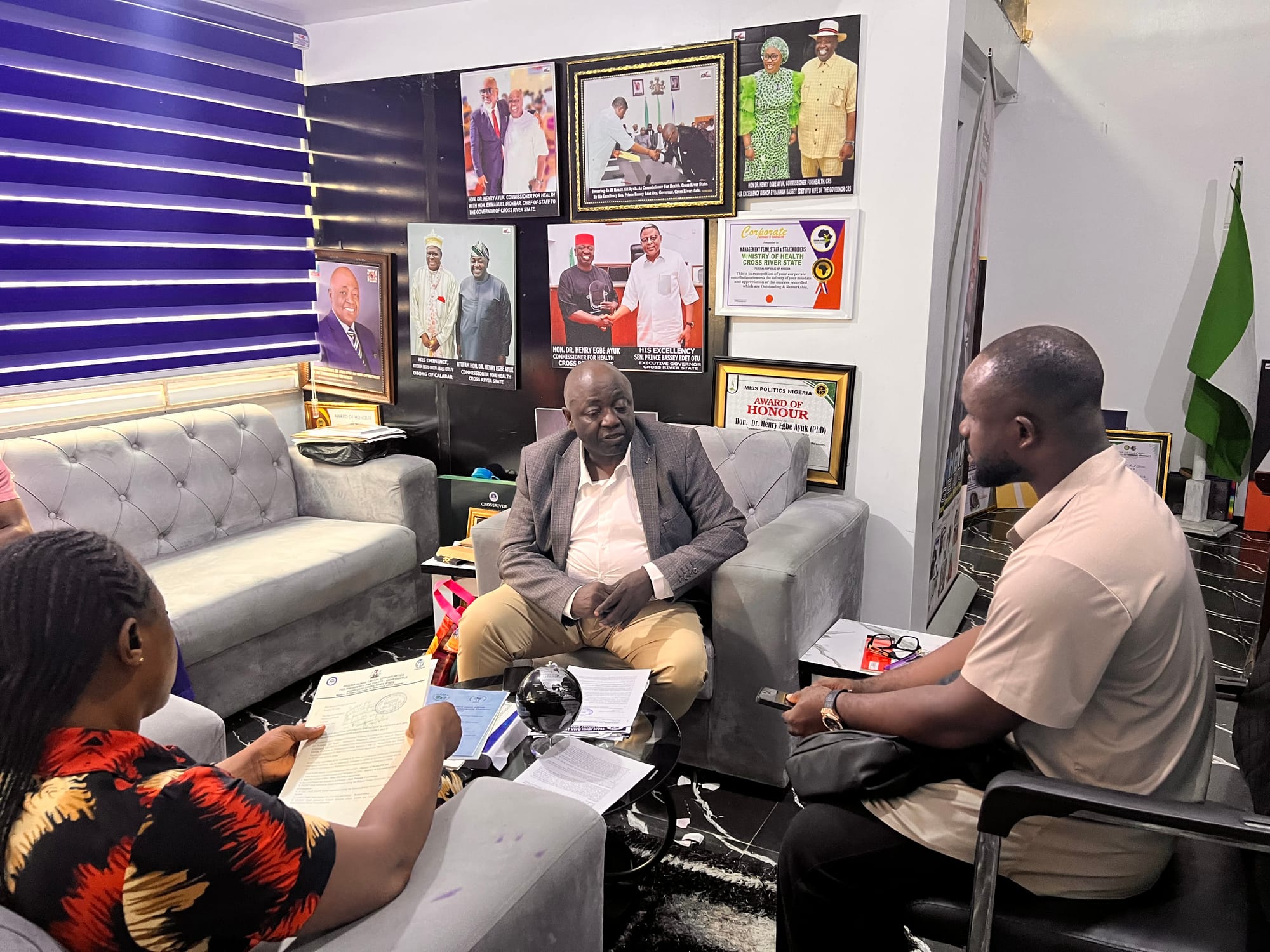
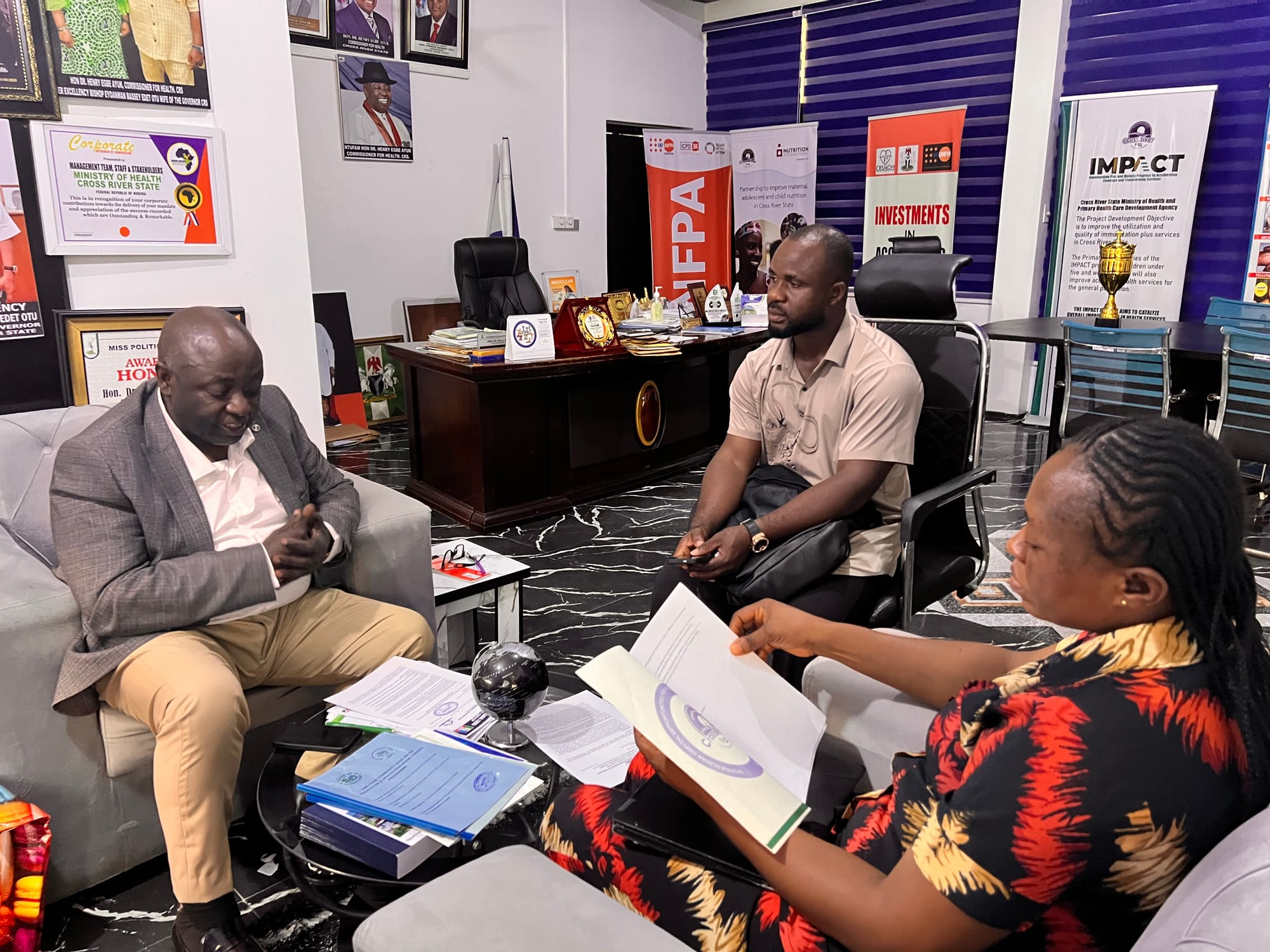
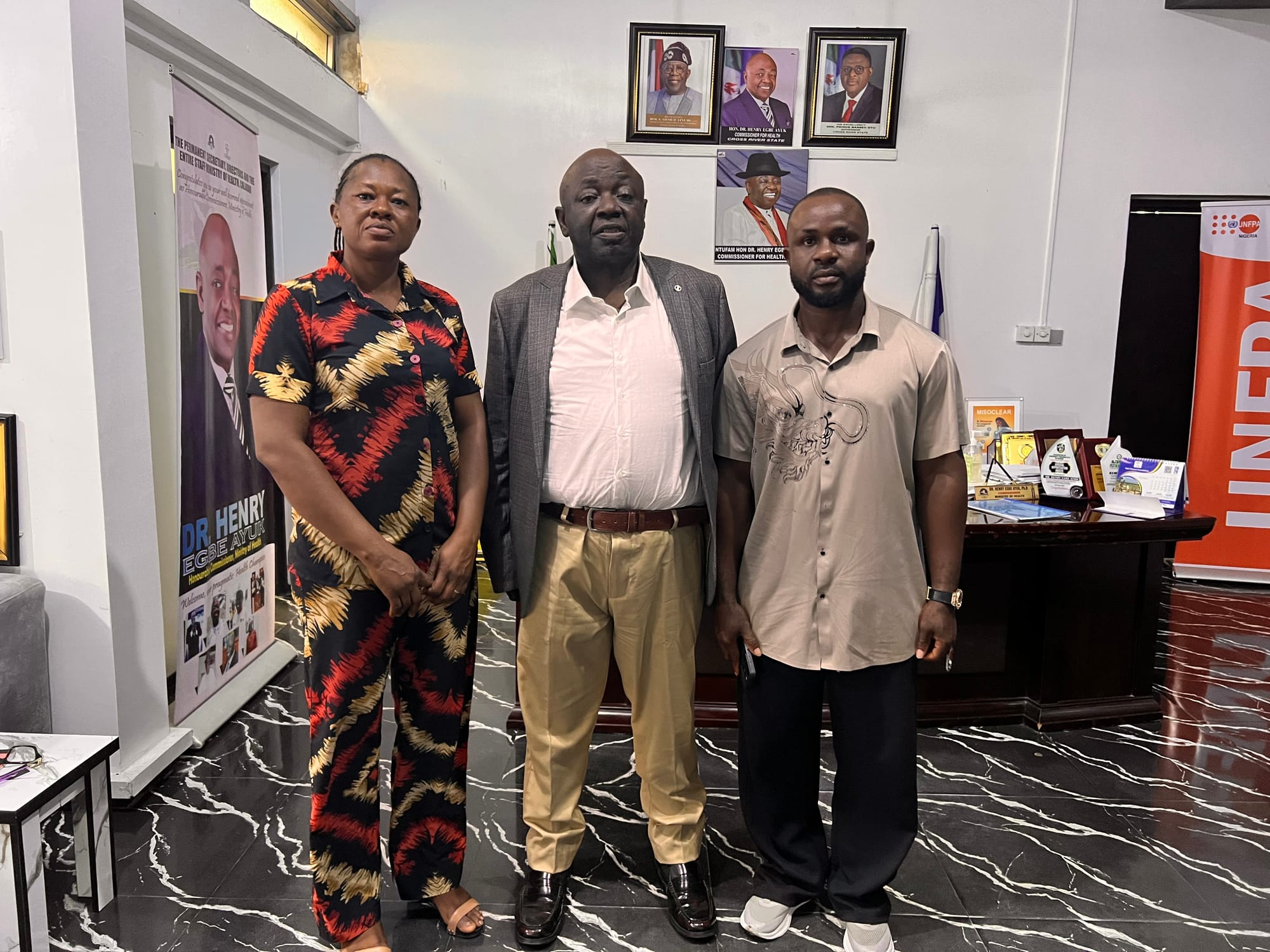
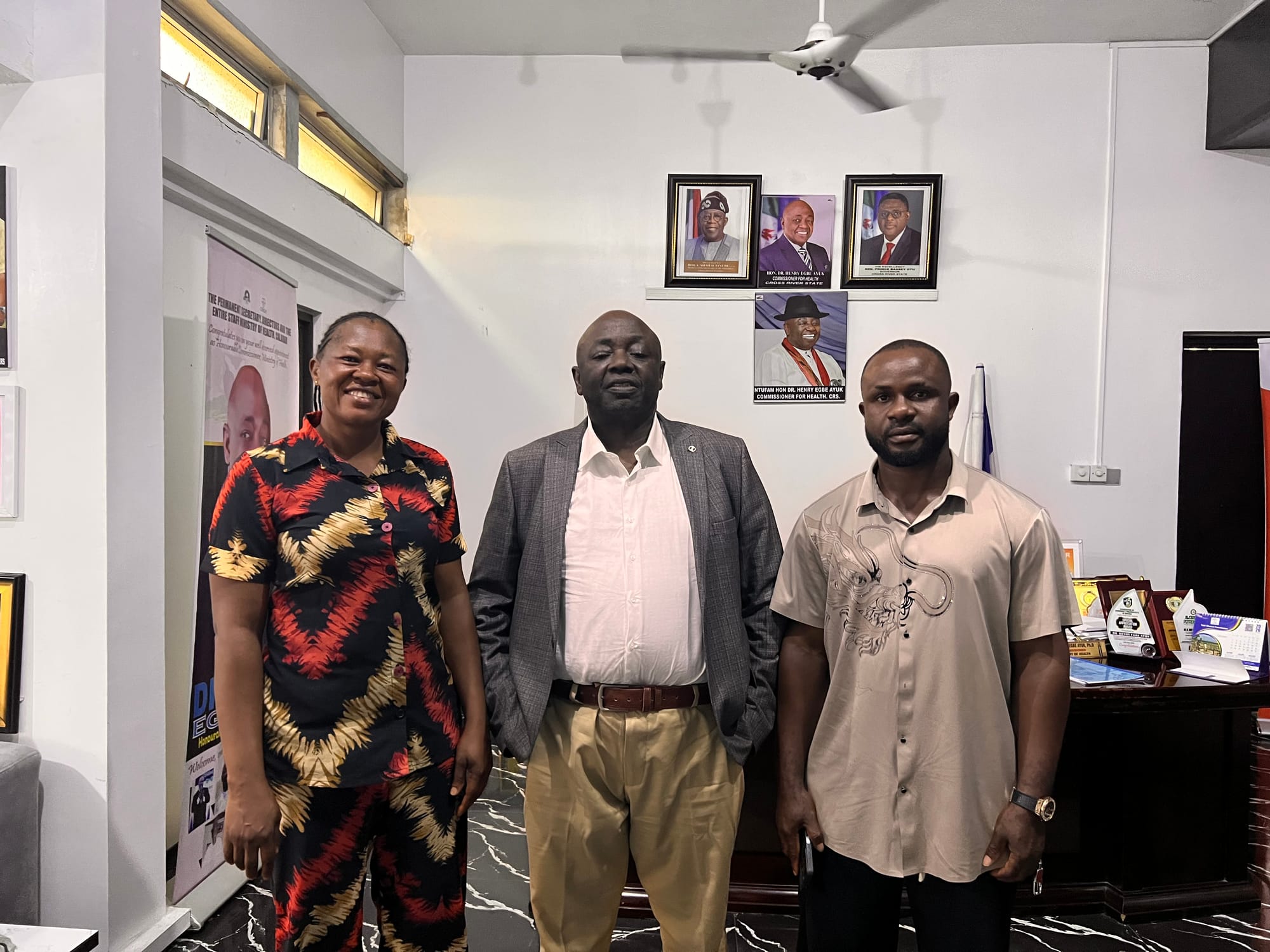
Ayuk gave the charge when the state coordinator of the National Health Fellows, Mr. Kingsley Inang Ekpenyong, visited him recently at the Ministry of Health headquarters in Calabar to brief him on the fellows’ projects and interventions across the state. The Sector-Wide Approach (SWAp) Desk Officer, Mrs. Edith Silas, was also present at the meeting.
The Commissioner urged the fellows to apply their diverse professional expertise to practical challenges beyond conventional clinical and facility-based activities. He particularly encouraged those with backgrounds in mass communication to examine information dissemination within local government health systems, identify gaps and recommend ways to improve communication between leadership and frontline personnel.
Ayuk said such interventions would help the Ministry identify communication delays, address operational challenges and improve coordination across the health system. “You do not have to be looking at immunisation data all the time to make an impact. Those of you with backgrounds in mass communication can help us understand how information flows through the system and where the gaps exist,” he said.
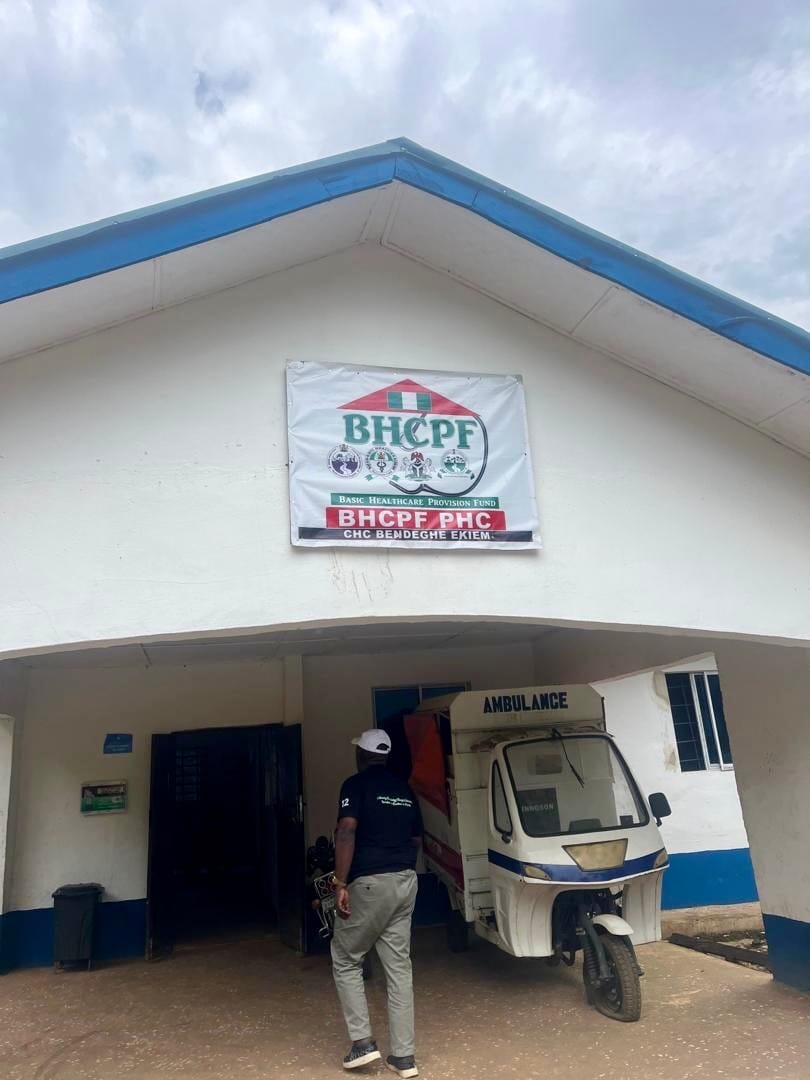
He also emphasised that primary healthcare extends beyond physical facilities, encompassing environmental conditions, preventive health practices and collaboration with other stakeholders. “Primary healthcare is not just a facility-based concept. It involves the totality of the environment, preventive health practices and the relationship between the health sector and other stakeholders,” he said.
Ayuk encouraged the fellows to identify practical opportunities in their communities to promote preventive healthcare, improve public awareness and strengthen essential services, particularly in underserved and hard-to-reach areas. He commended their contributions since the commencement of Cohort 2.0 and urged them to sustain their efforts.
The Commissioner directed each fellow to submit an individual activity report, alongside consolidated reports from each of the state’s three senatorial districts. He said comprehensive documentation would enable the Ministry to monitor progress, assess outcomes, identify areas requiring support and track measurable contributions to sector development.
Earlier, Ekpenyong, who represents Odukpani Local Government Area under the fellowship programme and coordinates its activities in Cross River State, briefed the Commissioner on the fellows’ capstone projects and interventions in their respective communities.
He disclosed that his project, Project ASAM, meaning Addressing Severe Acute Malnutrition Among Children in Odukpani Local Government Area, had reached 400 of its 500 targeted beneficiaries, representing 80 per cent completion. The project uses the Community-based Management of Acute Malnutrition (CMAM) approach, reaching 350 beneficiaries directly and 50 indirectly.
Ekpenyong said other Cohort 2.0 fellows were implementing projects across their local government areas, particularly in hard-to-reach communities, to address public health challenges and improve access to essential health information and services. He cited the open defecation intervention led by Ms. Condoleezza Mbu in Etung Local Government Area as one project whose progress had attracted the Commissioner’s attention.
The state coordinator commended Ayuk for integrating the fellows into the Ministry’s activities and creating an enabling environment for their contributions to sector development. He also conveyed the fellows’ condolences to the Commissioner over the death of his mother, Late Madam Maria Okongor Asu Ayuk, assuring him of their support during the mourning period.
The National Health Fellows Programme is designed to develop young health professionals as future leaders and change agents in Nigeria’s health sector through practical experience, mentorship and participation in health programmes, data collection, monitoring and evaluation, community engagement and advocacy. It also seeks to strengthen leadership capacity, improve reporting systems, promote innovation and teamwork, and equip fellows to contribute to better health outcomes.
By Kingsley Agim