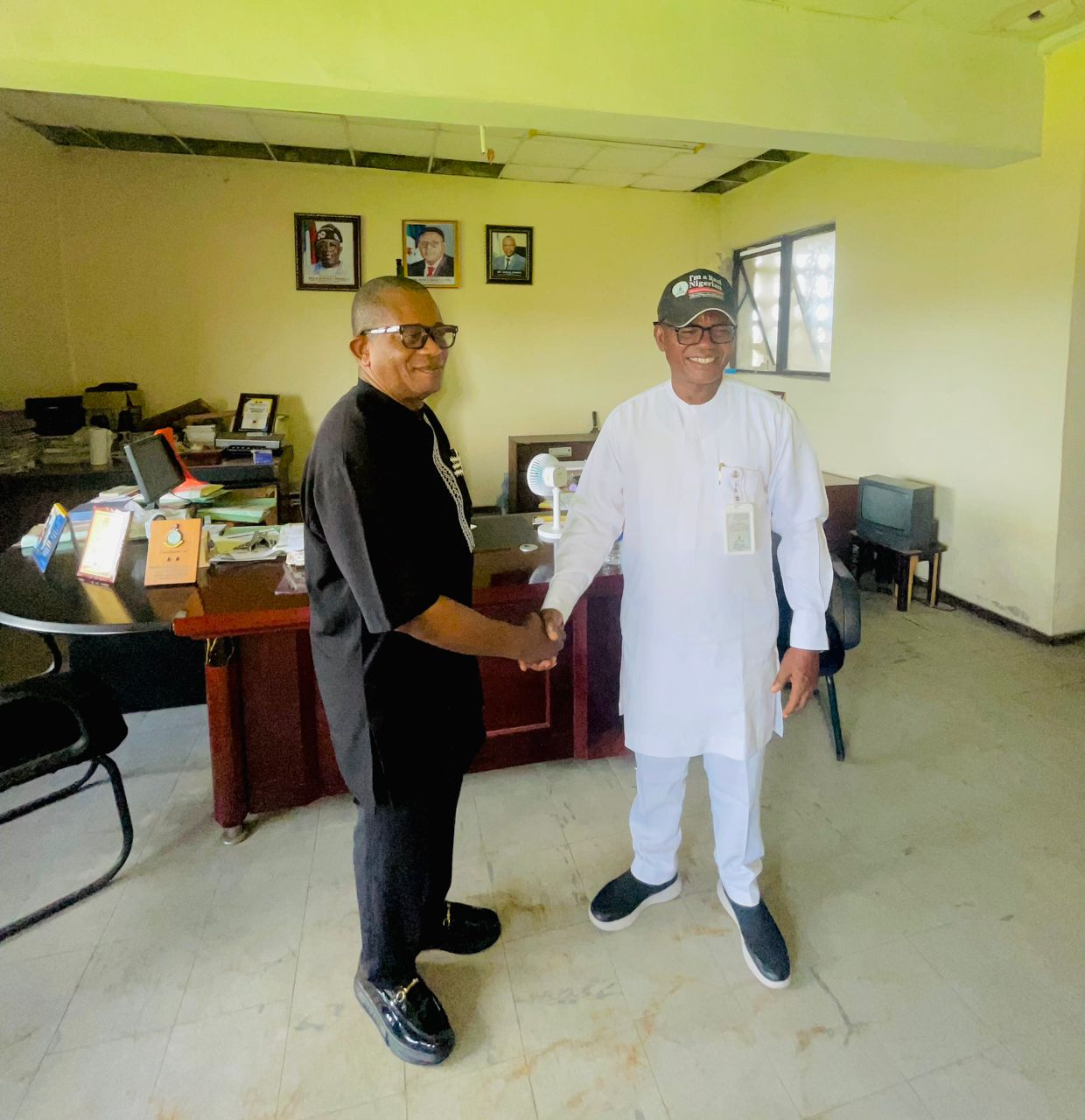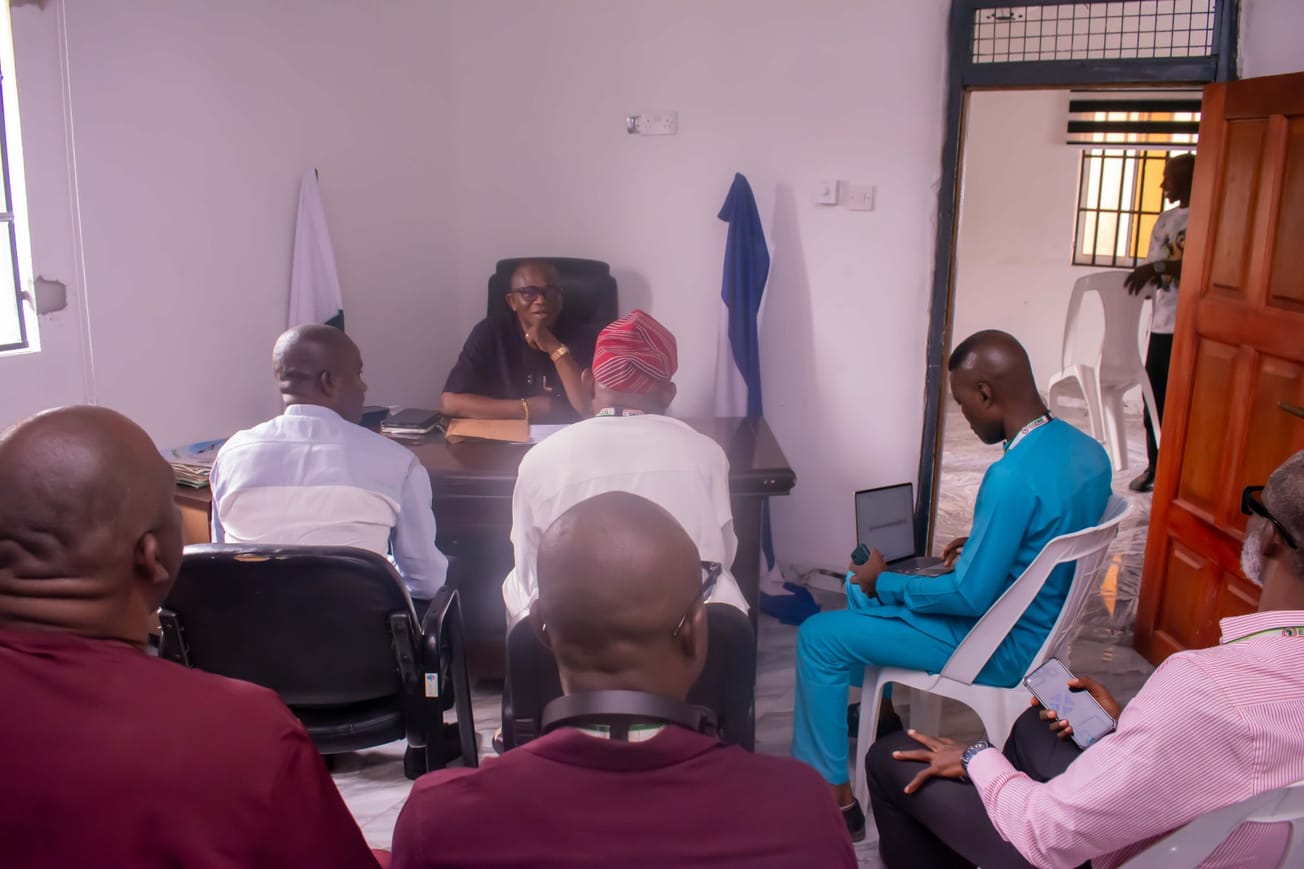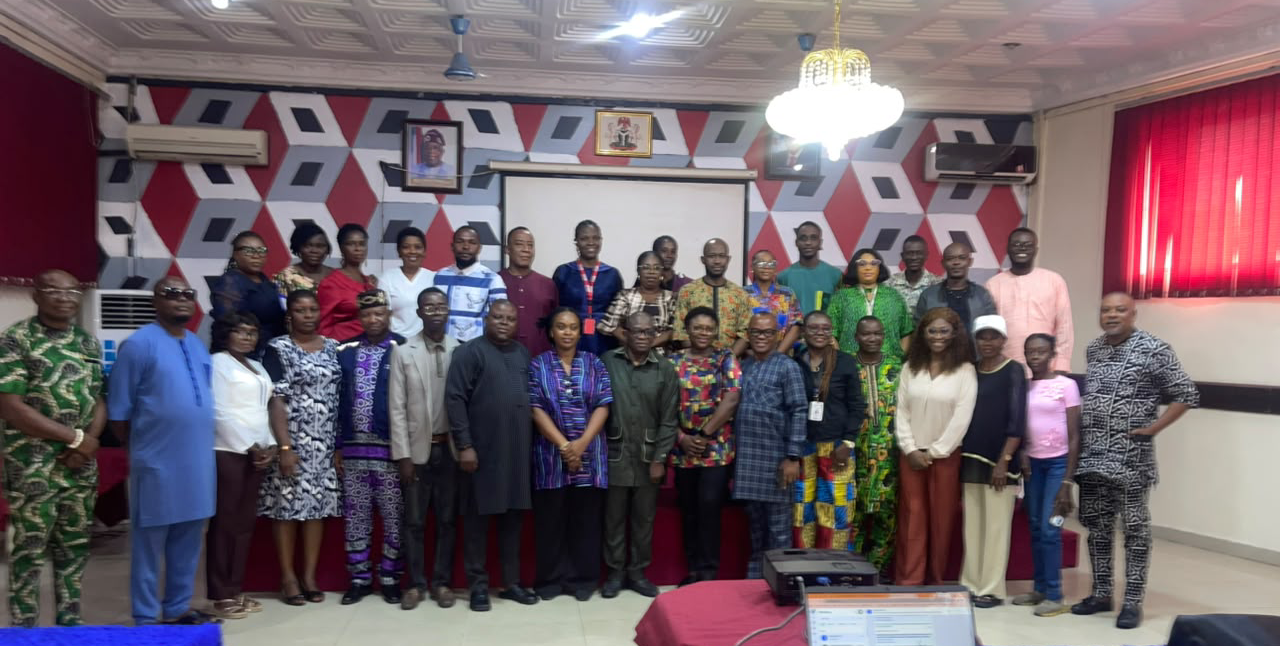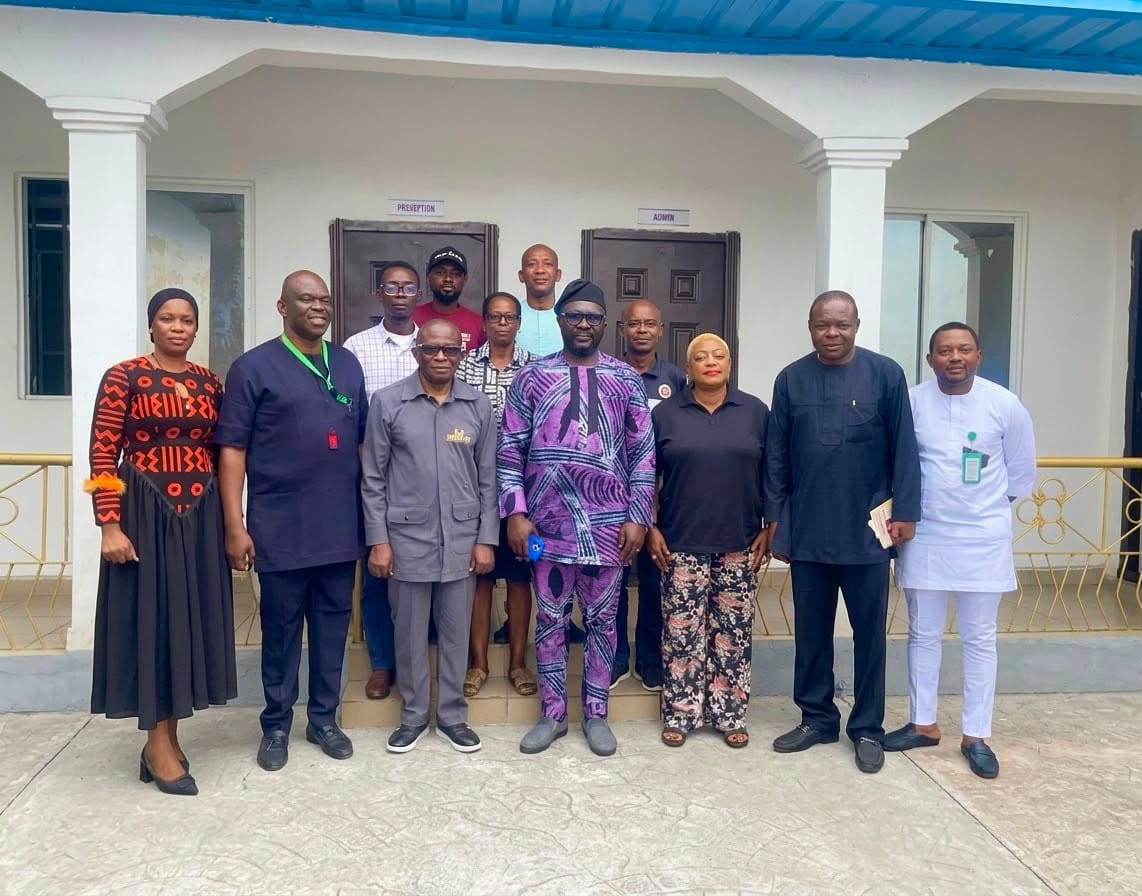

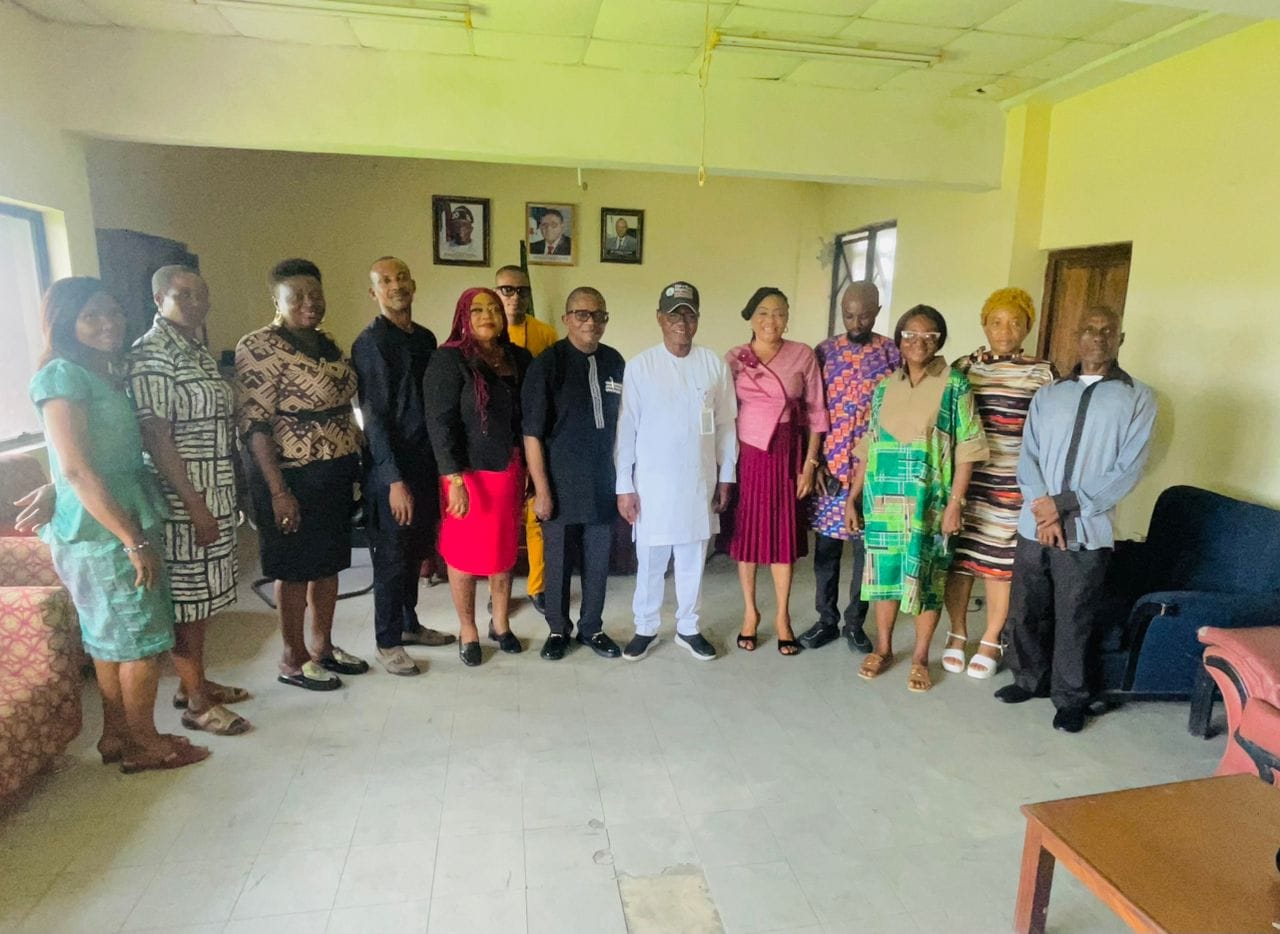
The Cross River State Agency for the Control of AIDS (CR-SACA) has deepened collaboration with the National Orientation Agency (NOA) in a renewed push to strengthen HIV prevention, expand public enlightenment, and improve grassroots coverage across hard-to-reach communities in the State.
The partnership was reinforced during a strategic engagement meeting between officials of both agencies, where stakeholders emphasized the need for coordinated, multi-sectoral action to accelerate Nigeria’s HIV response targets for 2030.
Speaking during the engagement, the Director General of SACA Dr. Charles Iwara, said the visit and renewed partnership were informed by outcomes from a recent national strategic planning meeting on HIV prevention and treatment.
He explained that the NOA played a prominent role in the national planning process, which shaped the 2026 to 2030 HIV response framework, stressing the importance of stronger collaboration between health agencies and government communication structures.
“The National Orientation Agency was very prominent in that meeting. HIV response is a multi-sectoral collaborative effort, and in the past there has been insufficient inclusion of the NOA, which serves as the mouthpiece of government,” he said.
Dr. Iwara noted that Nigeria is approaching a critical phase in its HIV response strategy, with a national target of reducing new infections to below 10 percent by 2030 in order to eliminate HIV as a public health threat.
He added that while SACA coordinates HIV response at the State level, stronger partnerships such as the one with NOA are essential for effective public messaging and behavioral change communication.
“Following what we observed during the strategic planning meeting in Abuja, we considered it necessary to strengthen collaboration with the NOA to ensure proper dissemination of HIV-related information through the right channels,” he stated.
Responding, the Director of the National Orientation Agency (NOA) in Cross River State, Mr. John Mfon Asanye, described the partnership as timely and essential for achieving national development and public health goals.
He stressed that effective governance and social impact require synergy among institutions rather than isolated efforts.
“We cannot decide to go solo as usual. We have a state and a nation we must protect, and it is incumbent on all leaders across different entities to draw synergy so that we can deliver on our responsibilities,” he said.
Mr. Asanye explained that the NOA’s strength lies in its deep grassroots presence and its ability to communicate government policies in ways that communities can understand and internalize.
He noted that the agency engages communities using localized strategies, including indigenous languages and culturally relevant communication approaches.
“We go into communities, sit with the people, understand their realities, and determine the most effective time and method to pass messages. If the right time in a community is 8pm, we adjust accordingly so the message is received and retained,” he said.
He further assured SACA of NOA’s readiness to fully support HIV sensitization campaigns across all local government areas in the state, adding that the agency has personnel down to the grassroots level capable of delivering effective outreach.
“Our doors are open. Even if it requires 24-hour engagement, we are ready to deliver whatever is needed to ensure effective communication,” he added.
Also speaking, Mrs. Lillian Abang of SACA’s Care and Support unit highlighted the urgent need to extend HIV prevention efforts to interior and hard-to-reach communities, noting that many rural populations remain underserved.
She welcomed the involvement of NOA, describing its community-based structure as a critical tool for expanding coverage beyond urban centers.
“There are interior villages where people have not heard or fully benefited from ongoing HIV interventions. We are happy that NOA has members across these hard-to-reach areas,” she said.
Mrs. Abang expressed confidence that collaboration would improve outreach efficiency, particularly in communities where access is constrained by geography and daily livelihood activities such as farming and market schedules.
“With your linkage and understanding of community timing, we will be able to reach people effectively without missing them due to their daily activities. This collaboration will greatly improve our impact,” she noted.
The engagement ended on a strong note of commitment from both agencies to deepen collaboration in HIV prevention, public sensitization, and rural health communication across Cross River State.
Asari Eso