
...as Traditional Ruler Decries Poor Access Roads
The Cross River State Ministry of Tourism, Arts, and Culture has launched an extensive familiarization tour of key heritage sites, starting with the iconic Agbokim Waterfalls and the historic Alok Ikom Monoliths.
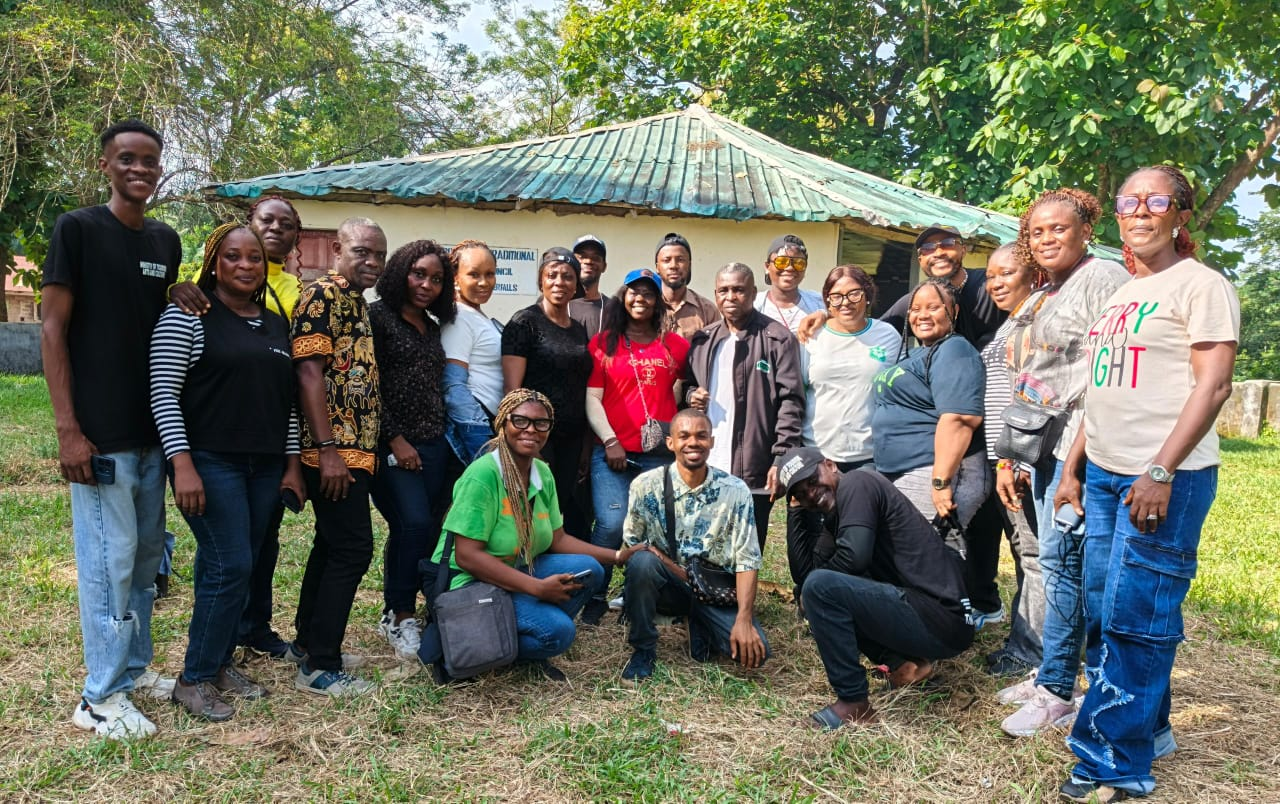
The initiative is designed to introduce the Ministry's newly recruited personnel to the State’s vast cultural and ecological assets.
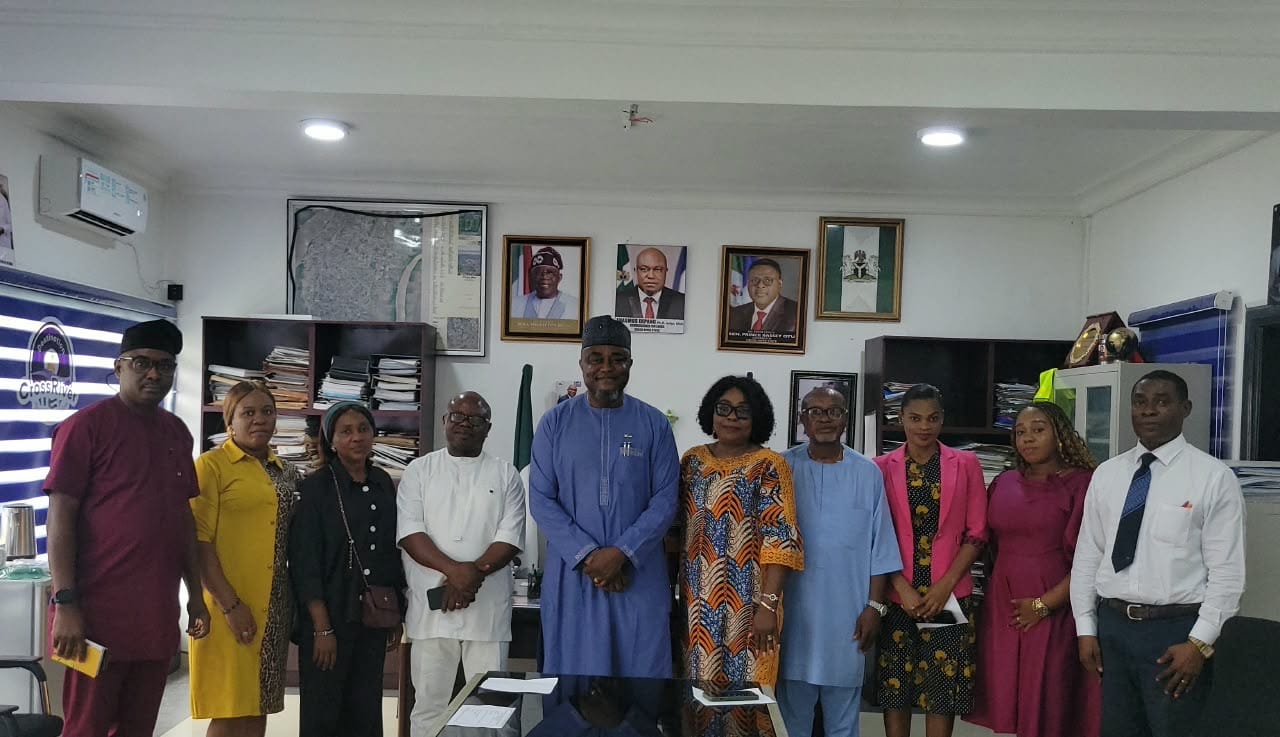
The delegation, led by the Director of Tourism, Mr. Daniel Akeke, aims to assess the current state of all heritage sites across the State to strategize on ways to boost both local and international tourist traffic.
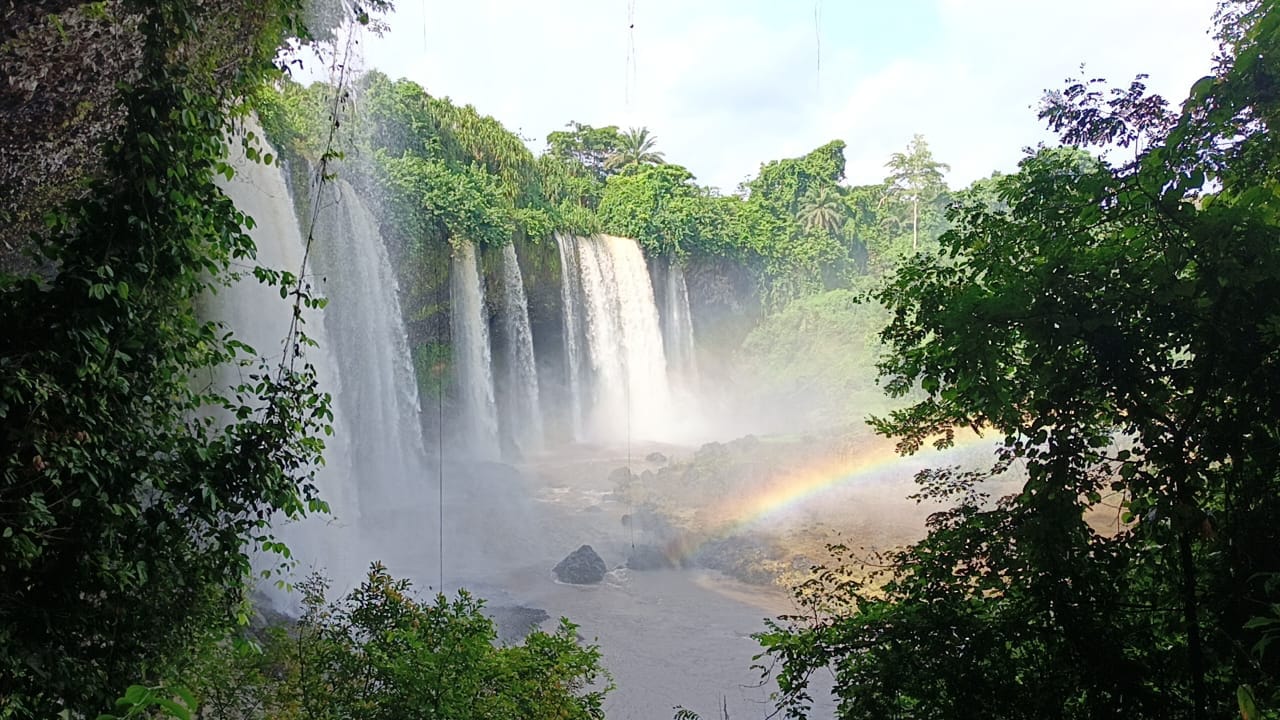
Upon arriving on Monday at Agbokim Waterfalls—famous for its breathtaking seven-tiered cascades—the team paid a courtesy visit to the traditional custodian of the land, Chief Silas Ntufam Bassey.
Addressing the traditional ruler, Mr. Akeke emphasized the government’s commitment to preserving the state's natural treasures and leveraging them for sustainable economic growth.
He noted that firsthand exposure to these sites would better equip the new staff to market Cross River as Nigeria’s premier tourism destination.
In his response, Chief Silas Ntufam Bassey expressed profound gratitude for the unique natural habitat bestowed upon his community. Warmly welcoming the delegation, he described the visit as a promising sign of renewed interest in the rural tourism ecosystem.
The Clan Head used the opportunity to laud the Cross River State Government, under the leadership of Governor Bassey Otu, for its proactive and visionary strides toward revitalizing the state’s tourism sector.
"We see the good work the Governor is doing to bring tourism back to the forefront. The commitment of this administration gives us hope that our communities will benefit from the influx of visitors," Chief Bassey remarked.
The traditional ruler did not mince words regarding the challenges plaguing the area. He strongly decried the deplorable condition of the access roads leading to Agbokim Waterfalls, stressing that the poor infrastructure severely hinders the site's immense potential.
Chief Bassey passionately appealed to the state government to come to the community's rescue, noting that rehabilitating the roads would not only ease the daily suffering of locals but also significantly increase tourist footfall and boost local revenues.
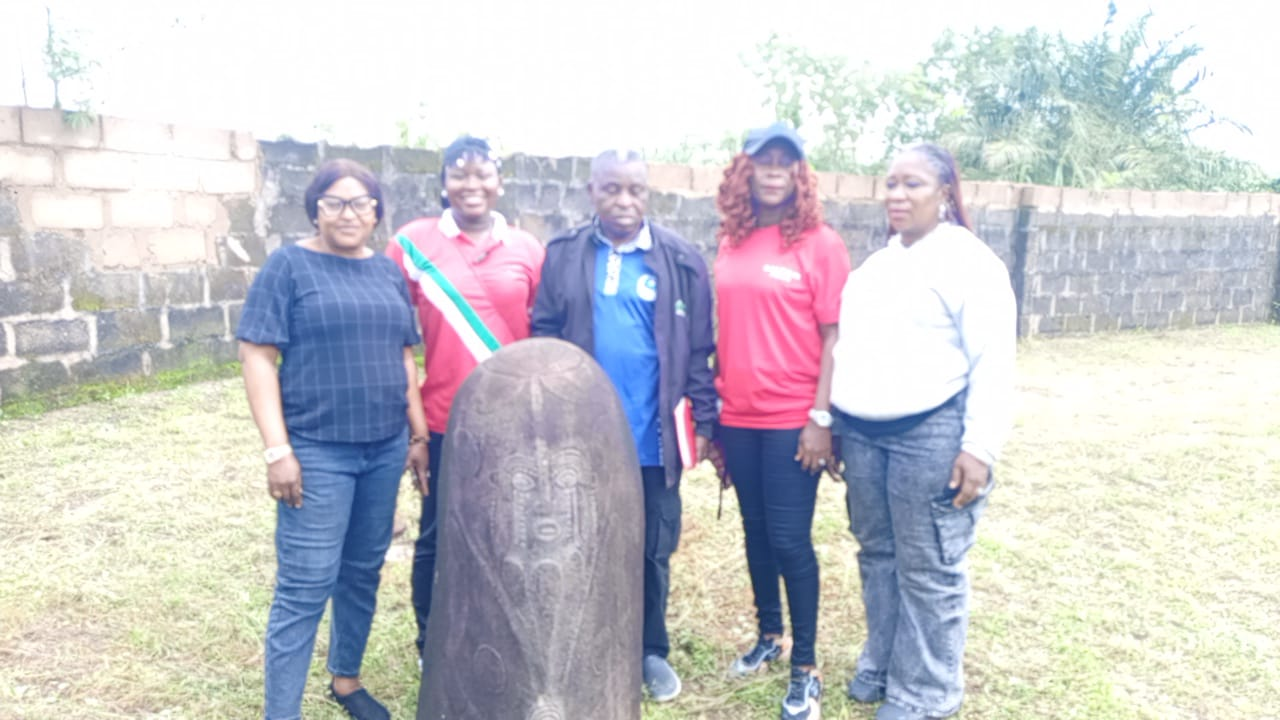
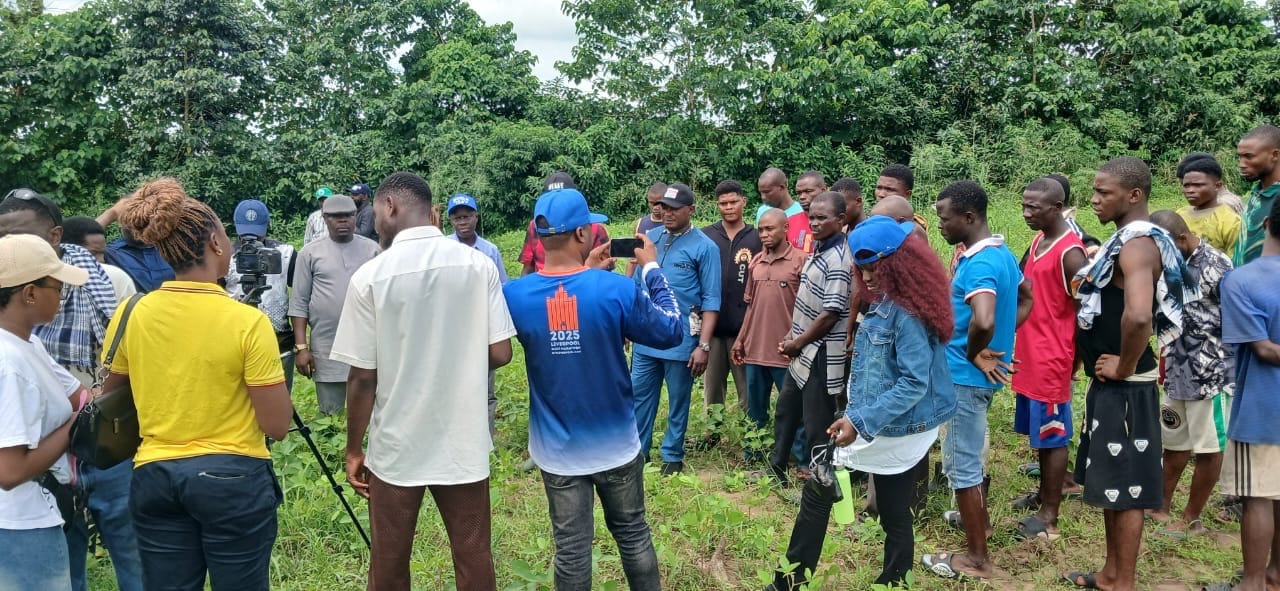
The ministry’s itinerary also included a crucial stop at the Emanghambe and Alok Ikom Monoliths site, an ancient archaeological marvel featuring expertly carved volcanic stones known locally as Akwanshi (meaning "dead person on the ground"). Ranging from two to six feet in height, these monoliths are estimated to date back between 200 AD and 1850 AD.
Historically, the stones are believed to have been carved by the ancestors of the Bakor people, who used stone tools to engrave intricate geometric patterns, stylized facial features, and cultural markings representing ancestral spirits and ancient leaders. Organized in precise ritual circles facing one another, the monoliths traditionally served as focal points for community assemblies, spiritual communication, and historical record-keeping. Their immense global value has earned them a well-deserved spot on the UNESCO World Heritage Tentative List.
The ministry team thoroughly inspected the site, exploring interactive and digitally guided methods to present this sophisticated ancient craftsmanship to global travelers.
By Carolyn Ugbo