

For residents seeking medical attention, the difference between qualified healthcare and dangerous medical deception can be a matter of life and death. In Cross River State, the dangers posed by unqualified practitioners, improperly registered health facilities and unsafe medical procedures have made the regulation of healthcare delivery an important public health concern. Against this backdrop, Governor Bassey Edet Otu’s assent to the Cross River State Health Quackery (Prohibition) Law, 2026, on September 2, represents a significant legal intervention aimed at protecting patients and strengthening accountability across the health sector.
The new law goes beyond condemning quackery or relying on occasional inspections to address violations. It establishes a legal framework for identifying, investigating and prosecuting unqualified practitioners, regulating health facilities and enforcing professional standards. By clearly defining prohibited practices and prescribing sanctions for offenders, the legislation equips the state with stronger instruments to confront practices that expose residents to misdiagnosis, inappropriate treatment, dangerous medication and avoidable complications. Its central objective is to ensure that healthcare delivery is entrusted to people with the requisite qualifications, competence and professional authorisation.
One of the law’s most important anticipated impacts is improved patient safety. By requiring practitioners to possess the appropriate qualifications and registration, it seeks to prevent untrained or unauthorised individuals from undertaking clinical examinations, prescribing medicines, performing restricted procedures or providing specialised services beyond their competence. This protection is particularly important for vulnerable patients who may be unable to distinguish between legitimate practitioners and impostors, or who may seek treatment without knowing whether a facility is properly authorised. Effective enforcement could reduce exposure to unsafe treatment and improve public confidence in healthcare services.
The legislation also establishes clearer professional boundaries within the health sector. Doctors, pharmacists, medical laboratory scientists, nurses, midwives and practitioners of complementary and alternative medicine must meet the applicable qualification and registration requirements governing their respective disciplines. Even registered health workers may be liable under the law if they practise in areas outside their competence or operate in unregistered establishments where the law does not permit it. This provision addresses a critical regulatory concern: professional credentials should not be treated as permission to perform procedures or provide services for which a practitioner lacks the necessary training.
Another significant benefit is the law’s potential to improve the quality and accountability of health facilities across the state. Hospitals, clinics, maternity centres, pharmacies, medical laboratories, patent medicine shops and other establishments providing healthcare services are required to register with the appropriate authorities and have their scope of practice specified. This requirement will help the government identify legitimate facilities, determine the services they are authorised to provide and take action against those operating outside the regulatory framework. For patients, a more transparent system should make it easier to identify approved providers and make informed decisions about where to seek care.
The law equally recognises that safe healthcare depends on more than the professional qualifications of those providing treatment. It requires health institutions to maintain clean premises, provide a good source of water and dispose of medical waste appropriately. Facilities that fail to meet these standards risk fines and closure until the identified deficiencies are corrected. These provisions are particularly relevant to infection prevention and control, as poor sanitation, unsafe waste handling and inadequate water supply can expose patients, health workers and surrounding communities to preventable health hazards.
To translate its provisions into practical action, the law provides for the establishment of a Health Monitoring Task Force under the Commissioner for Health. The body will inspect facilities, verify the qualifications and registration of practitioners, examine compliance with professional boundaries and assess environmental and operational standards. Its composition includes senior health officials and representatives of relevant professional associations, while collaboration with law enforcement agencies will support investigations and the handling of suspected offences. This institutional arrangement provides a framework for more coordinated monitoring and enforcement across the state, although its effectiveness will depend on adequate staffing, funding, training and consistent field operations.
The sanctions prescribed by the law are intended to discourage violations and hold offenders accountable. Depending on the offence, penalties include fines, imprisonment and the closure of facilities. Persons who obstruct enforcement officers, harbour suspects or deliberately withhold or destroy evidence also face sanctions. By extending liability beyond the unqualified practitioner to those who facilitate or conceal unlawful activities, the legislation seeks to discourage the networks that can enable quackery to persist. Its enforcement, however, must remain evidence-based and consistent with due process, ensuring that allegations are properly investigated and sanctions imposed through the procedures established by law.
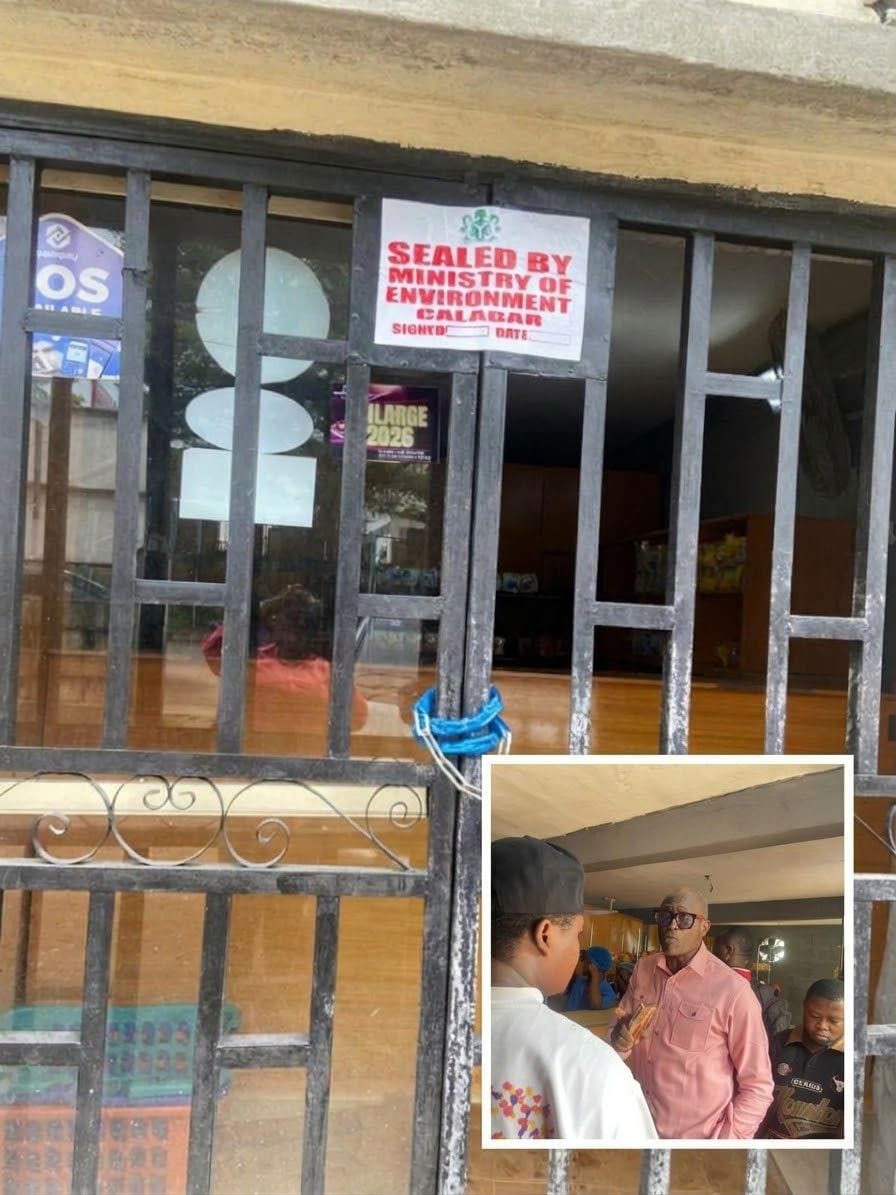
Importantly, the legislation provides safeguards to ensure that enforcement does not endanger patients who may already be receiving treatment at a facility under investigation. Except in emergencies, a court order must be obtained before premises are sealed, and arrangements must be made to transfer patients requiring urgent medical attention to appropriate alternative facilities. It also provides a procedure for reopening a sealed establishment after the applicable fine has been paid and the conditions responsible for the closure have been addressed. These safeguards recognise that the ultimate purpose of enforcement is to protect human life, not to disrupt access to essential medical care unnecessarily.
The significance of Governor Otu’s assent becomes clearer when viewed against the administration’s anti-quackery operations before the law was enacted. In June 2026, the state government sealed Safe Hand’s Maternity Clinic in Calabar Municipality following a reported patient death after surgery, with the inspection team identifying alleged regulatory and operational violations. In July, three private health facilities in Cross River Central were also sealed over alleged quackery, non-registration and failure to meet required standards. These enforcement actions demonstrated that the government was already confronting unsafe medical practices; the new law provides a more comprehensive statutory framework for taking that campaign forward.
The administration’s proactive approach was also reflected in the health ministry’s engagement with professional bodies before the law received gubernatorial assent. On August 18, 2026, Commissioner for Health, Dr. Henry Egbe Ayuk, emphasised the need for healthcare professionals to practise strictly within their respective areas of training and competence during a meeting with a delegation of the Association of Medical Laboratory Scientists of Nigeria, Cross River State Branch. The engagement highlighted the importance of professional collaboration and respect for established responsibilities in ensuring safe and effective healthcare delivery. Coming shortly before the Governor assented to the legislation, the message reinforced the administration’s stated focus on professional discipline and the control of quackery.
By assenting to the law on September 2, Governor Otu moved the anti-quackery campaign beyond enforcement operations and professional admonitions to a more firmly established legal framework. The development reflects an approach that combines field inspections, engagement with health professionals and legislative action. It also gives the state a clearer basis for monitoring facilities, investigating suspected violations and pursuing appropriate sanctions. The next critical step is effective implementation: the task force must be adequately supported, inspection procedures must be transparent, and residents must understand how to verify practitioners’ credentials and report suspected cases of quackery.
For Cross River residents, the expected benefits extend beyond the closure of illegal clinics or the prosecution of offenders. A consistently enforced law could encourage compliance among legitimate health providers, improve hygiene and safety standards, discourage the unauthorised provision of specialised services and strengthen public trust in the health system. It could also help protect responsible practitioners from unfair competition by operators who bypass professional training, registration and facility requirements. These outcomes will depend on sustained monitoring, public awareness, cooperation among regulatory bodies and the willingness of the authorities to apply the law fairly, regardless of the status of those involved.
Ultimately, the Cross River State Health Quackery (Prohibition) Law, 2026, offers an opportunity to reshape the state’s approach to healthcare regulation by placing patient safety, professional accountability and lawful practice at the centre of service delivery. Governor Otu’s assent establishes the legal foundation; the real test will be how consistently the administration implements it across all 18 local government areas. If backed by effective enforcement and public cooperation, the law could help reduce the risks associated with unqualified medical practice, restore confidence in healthcare facilities and advance the fundamental principle that every resident deserves treatment from competent, properly registered professionals.
By Kingsley Agim