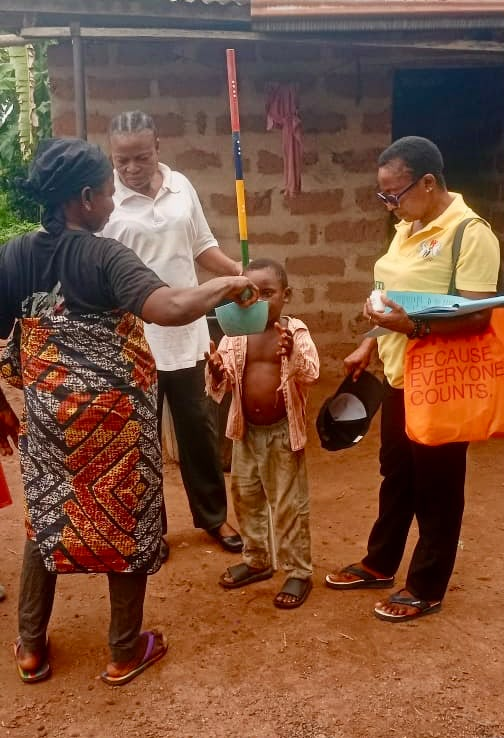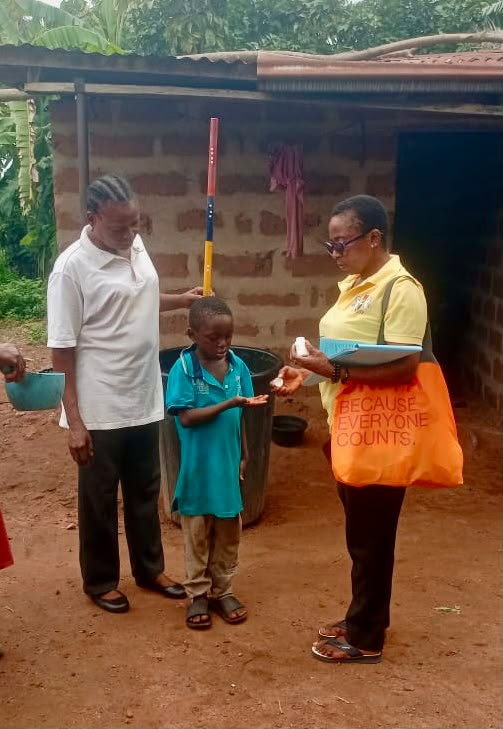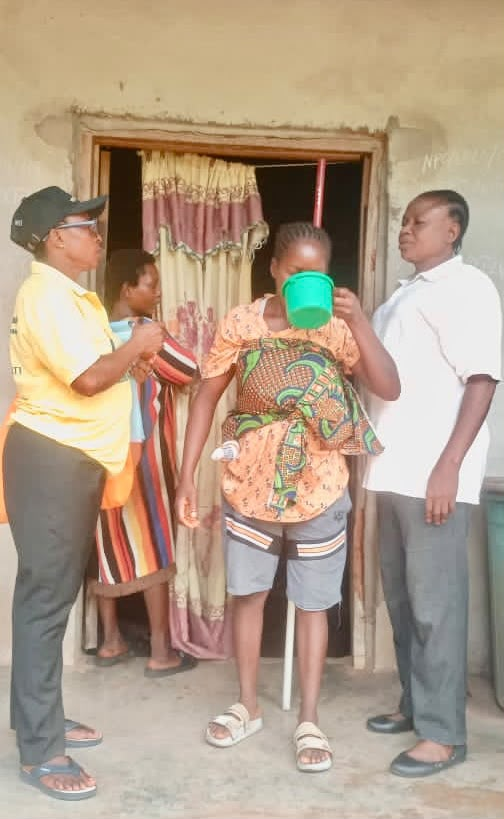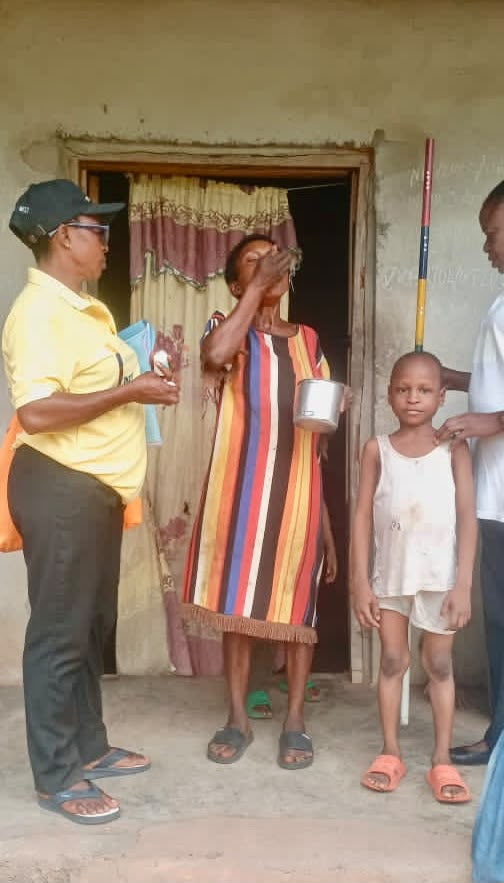
The Cross River State Government has intensified its campaign against Onchocerciasis (River Blindness) with a comprehensive monitoring and supervision exercise across eight hotspot Local Government Areas (LGAs) of the state.
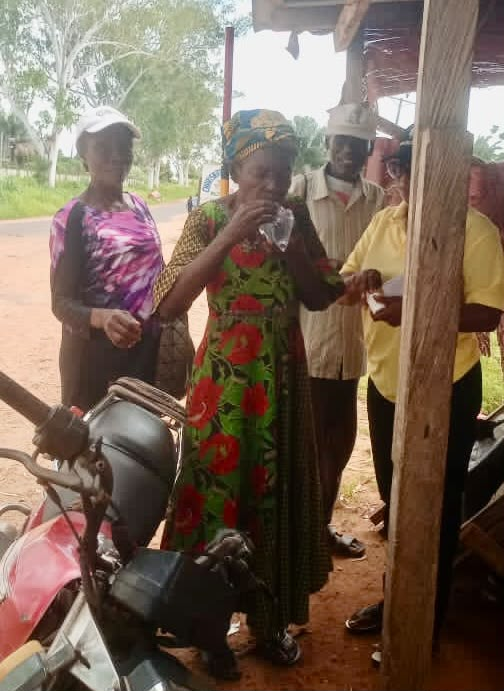
The exercise, coordinated by the State Ministry of Health through the Neglected Tropical Diseases (NTDs) Programme, with support from UNICEF, is aimed at achieving optimal treatment coverage in communities where epidemiological assessments had previously recorded unsatisfactory results, while advancing the state toward the attainment of the World Health Organization’s roadmap for the elimination of neglected tropical diseases.
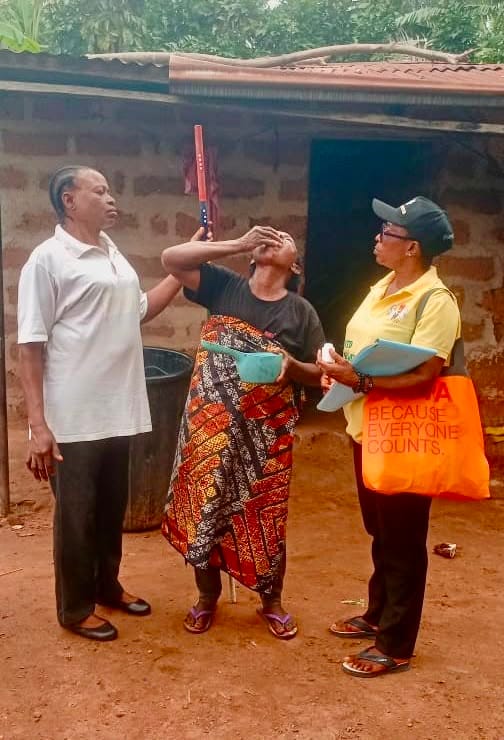
According to the State NTDs Coordinator, Mr. Godwin Omeji, the supervision formed part of the first round of Mass Administration of Medicines (MAM) for 2026 and was designed to strengthen field implementation, improve compliance, and ensure that no eligible resident is left untreated.
The four-day exercise covered eight hotspot LGAs namely Akamkpa, Biase, Etung, Boki, Obanliku, Odukpani, Ogoja and Yakurr, where supervisors visited selected wards and communities to monitor drug distribution activities and assess treatment uptake.
In Akamkpa, the supervision team covered communities in Eku Aking, Akor, Osomba, Oban Ekong, Camp Four, Oban, Ojuk South, Ojuk North and Mfamosing wards, among others, to verify the effectiveness of the intervention.
Similar activities were conducted in Biase, where communities in Umon North, Ehom, Akpet/Abini and Adim wards were monitored to ensure residents received the appropriate treatment and health education.
In Etung and Boki LGAs, supervisors visited several hard-to-reach communities including Nkpang Nta, Agbokim, Bendeghe Ekim, Danare, Biajua, Butatong and Bamba to evaluate treatment coverage and provide technical support to community drug distributors.
The monitoring exercise also extended to Obanliku, Odukpani, Ogoja and Yakurr LGAs, with teams inspecting medicine distribution activities in communities spread across the four local government areas.
As part of the supervision protocol, officials visited three communities daily in each selected ward and conducted household assessments in at least ten households per community to verify drug administration records and community participation.
Health officials said the intensified supervision became necessary to address gaps identified in previous assessments and to ensure that the state maintains momentum toward interrupting the transmission of the disease.
Onchocerciasis, commonly known as River Blindness, is a neglected tropical disease caused by parasitic worms transmitted through the bites of infected blackflies. If left untreated, the disease can lead to severe itching, skin disfigurement and visual impairment, including blindness.
The Cross River State Government has remained one of Nigeria’s leading states in the implementation of NTD control and elimination programmes, working in collaboration with national and international partners to protect vulnerable populations from preventable diseases.
By Kingsley Agim