
Cross River State has strengthened its participation in national efforts to prevent Ebola and other infectious disease outbreaks through a proposed partnership between veterinary health authorities and the Nigeria Centre for Disease Control and Prevention (NCDC).
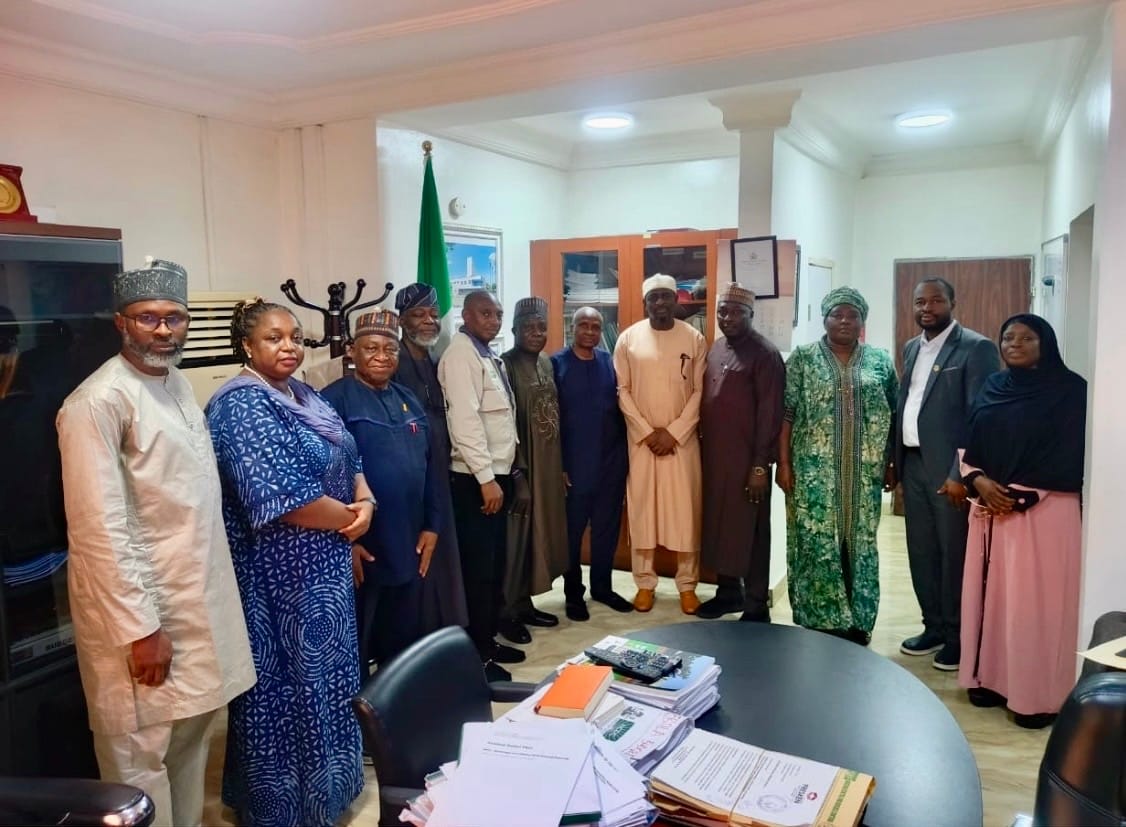
The Director of Veterinary Services in Cross River State and State Coordinator of the Livestock Productivity and Resilience Support (L-PRES) Project, Dr. Jude Undiandeye, was among members of a veterinary health delegation that paid a recent courtesy visit to the Director-General of the NCDC, Dr. Jide Idris, in Abuja.
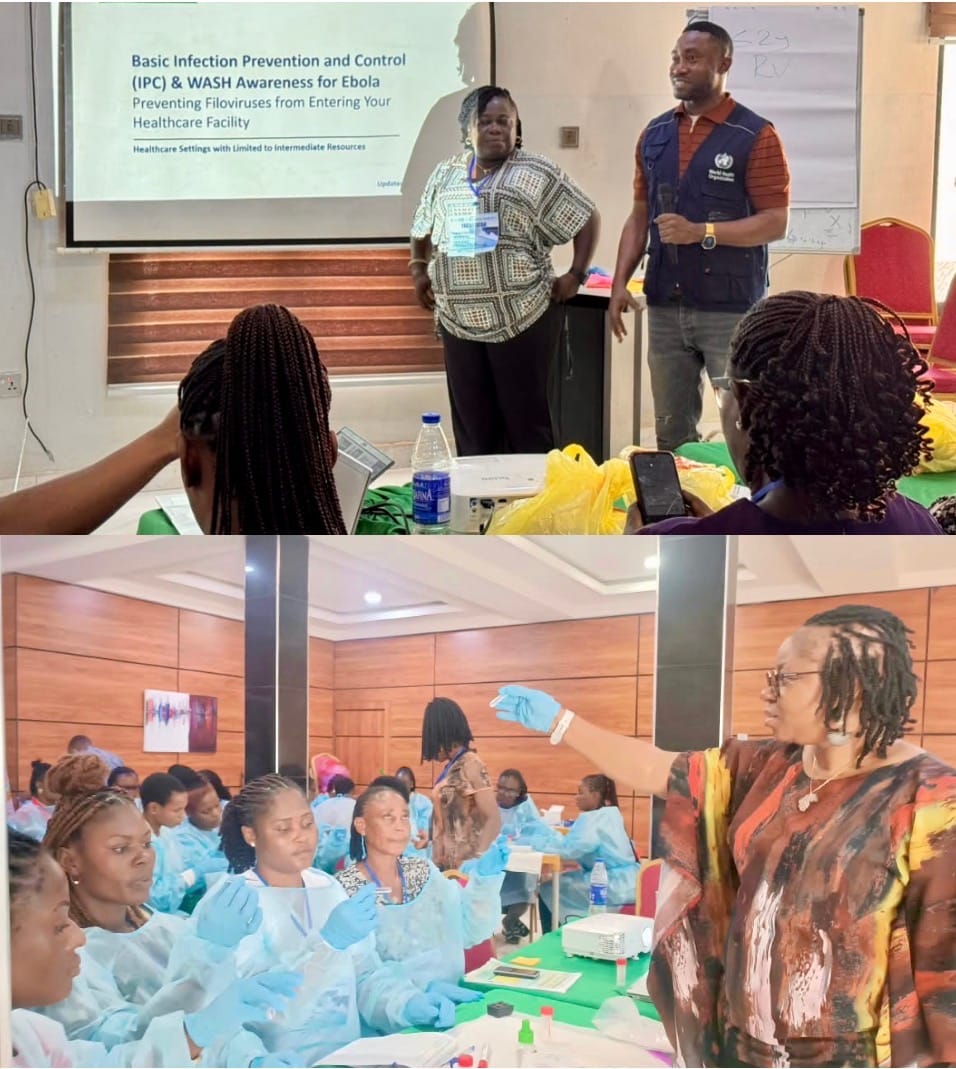
The visit focused on strengthening collaboration between veterinary and human health institutions to improve disease surveillance, emergency preparedness and response, particularly against Ebola and other zoonotic diseases that can spread between animals and humans.
Undiandeye’s participation followed a national consultative meeting at which he was selected alongside other Chief Veterinary Officers from across Nigeria to engage with the NCDC leadership on strategies for strengthening disease prevention and control.
A major proposal discussed during the engagement was the introduction of a last-mile delivery model designed to extend veterinary services, vaccines and disease surveillance to underserved rural and border communities.
The proposed model would deploy Community Animal Health Workers (CAHWs) and Veterinary Para-Professionals (VPPs) to communities where access to veterinary services is limited, helping to identify potential disease threats early and ensure that relevant authorities receive timely reports.
The approach is expected to strengthen surveillance at the human-animal interface, where early detection of infections in animals can provide important warnings of possible public health threats and support timely intervention.
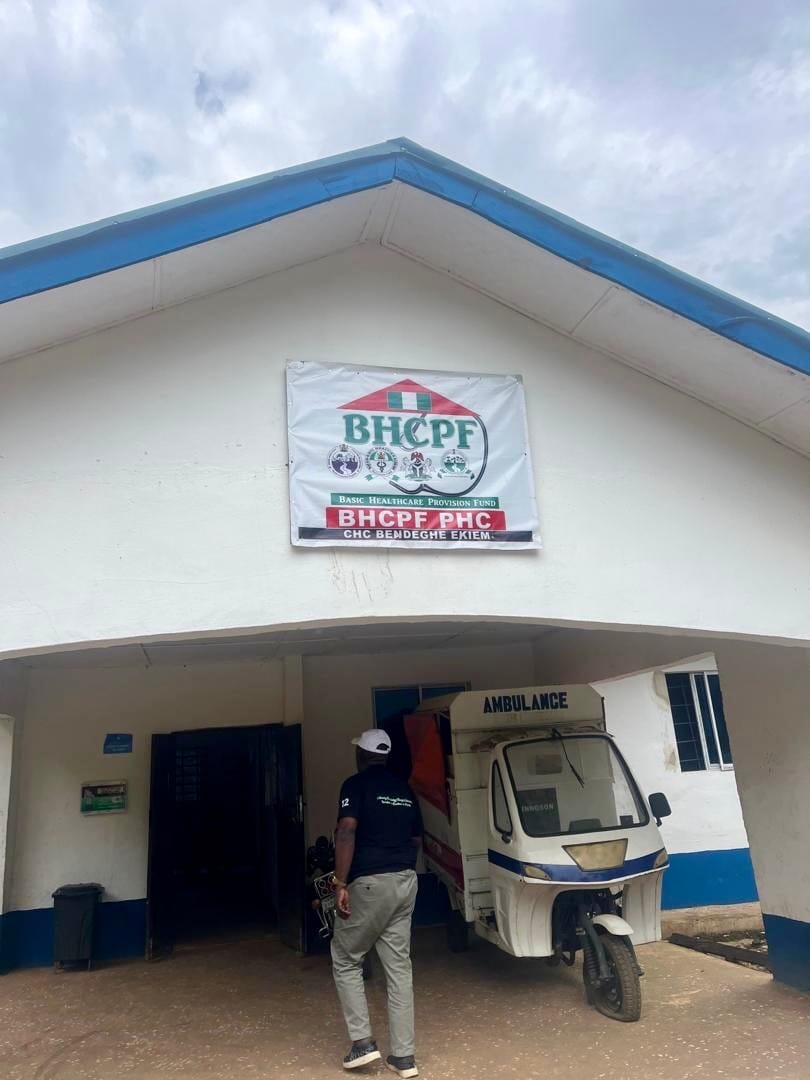
For Cross River, the proposed strategy is particularly relevant given the state’s extensive forest belt, rural settlements and international borders, which make community-level surveillance and prompt reporting important components of efforts to prevent and contain infectious disease outbreaks.
Discussions during the visit also highlighted the need for stronger information sharing, coordinated surveillance and closer collaboration between veterinary and human health professionals to improve the detection and management of zoonotic diseases.
The engagement reflects the importance of the One Health approach, which recognises the interconnectedness of human, animal and environmental health in preventing public health emergencies.
Through the proposed collaboration, veterinary health authorities and the NCDC are expected to explore practical ways to strengthen grassroots disease monitoring, improve preparedness and support a coordinated response to emerging infectious disease threats.
Undiandeye’s participation provides an opportunity for Cross River State to contribute to national discussions on strengthening veterinary services and disease surveillance as part of wider efforts to prevent Ebola and other public health emergencies.
By Arit Ubi