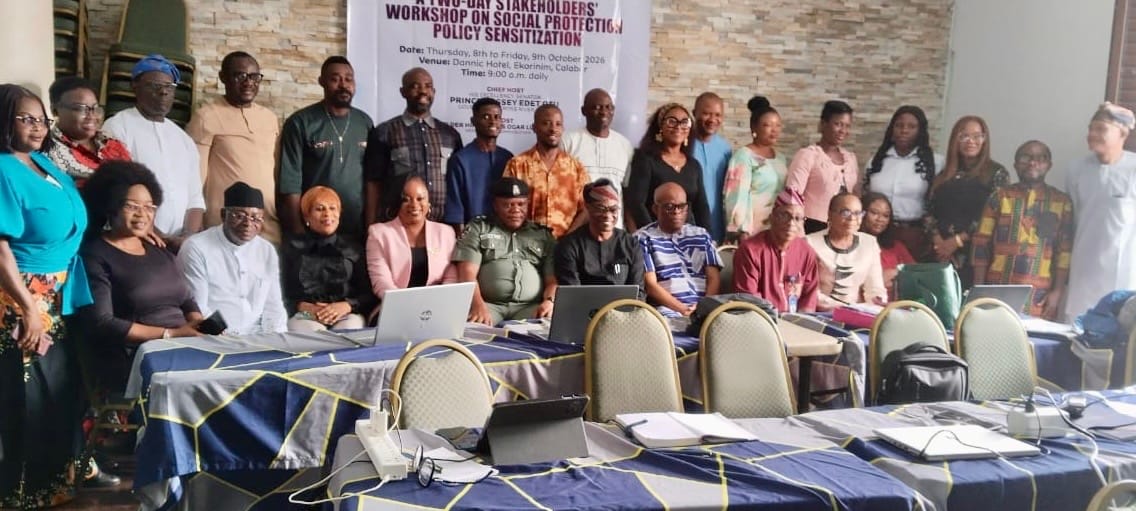

The National Agency for the Control of AIDS (NACA) has strengthened the capacity of stakeholders in Cross River State on human rights, gender, legal literacy and protection from sexual exploitation, abuse and harassment, as part of efforts to improve the state's HIV response.
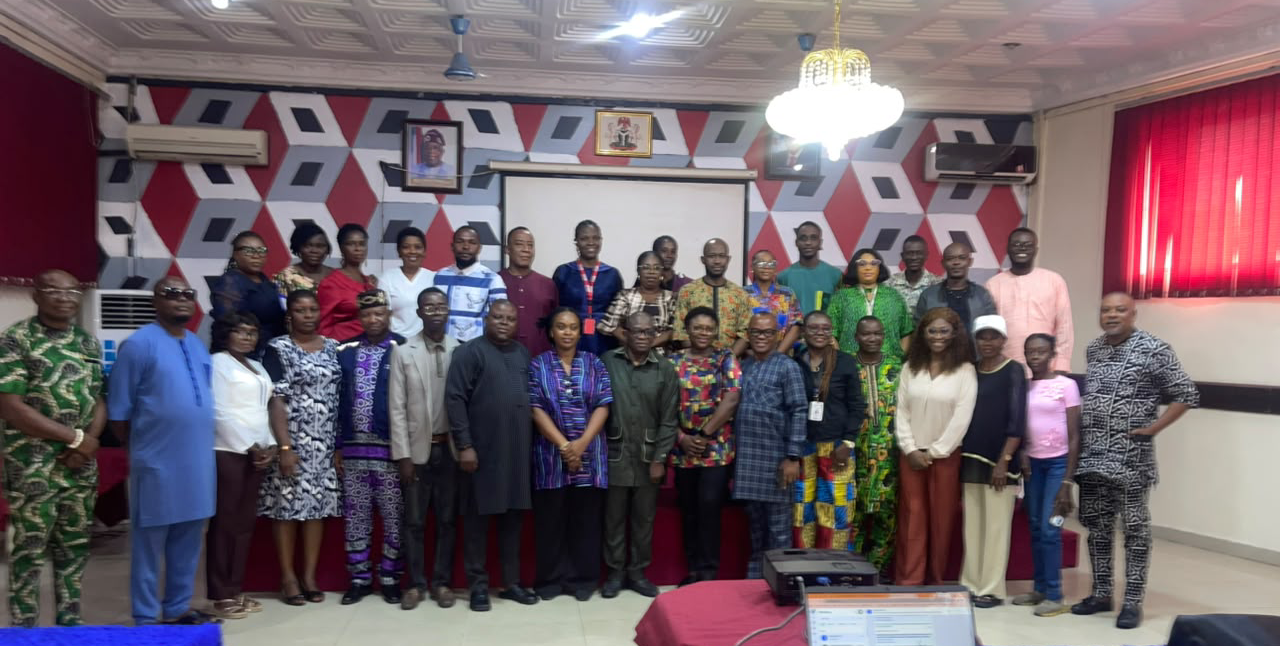
The week-long training, held last week at the Marian Hotel Conference Hall, Calabar, brought together the Cross River State Agency for the Control of AIDS (CR-SACA), implementing and development partners, government institutions, law enforcement agencies, human rights actors, community representatives and other stakeholders in the HIV response.
Declaring the training open, the Director-General of CR-SACA, Dr Charles Iwara, stressed the need for stronger collaboration among stakeholders in addressing issues affecting vulnerable populations.
Iwara said the Human Rights and Gender Response Team is an important part of the HIV response, as it provides an opportunity for stakeholders to assess their activities, identify gaps and improve their interventions.
He urged participants to take the training seriously and apply the knowledge gained in their various areas of work, particularly in reaching and supporting vulnerable populations.
The Director-General also reaffirmed CR-SACA's commitment to continued collaboration with implementing partners, development partners and community networks towards strengthening HIV interventions in Cross River State.
In her welcome address, Mrs Favour Iyamu of NACA said the training was designed to help stakeholders assess their interventions from gender and human-rights perspectives.
She explained that the engagement would enable participants to identify gaps in their programmes and strengthen their approaches to addressing the needs of vulnerable populations.
Also speaking, Human Rights Director, Remijus Ajuga, said participants were introduced to gender and human-rights self-assessment tools to enable them to assess how effectively their organisations respond to issues affecting vulnerable groups.
Ajuga identified discrimination, victimisation and harassment among the human-rights concerns requiring deliberate attention, noting that the knowledge gained from the training would help strengthen stakeholders' response to such issues.
The training, facilitated by Emeka Nwafor of NACA, featured sessions on Protection from Sexual Exploitation, Abuse and Harassment (PSEAH), access to justice, legal literacy, gender, discrimination and non-discriminatory healthcare services.
Participants examined different forms of discrimination, including gender, HIV-related, religious, disability, ethnic and age discrimination, as well as direct, indirect, systemic or institutional and multiple discrimination.
The sessions also focused on barriers faced by vulnerable populations in accessing justice and healthcare services, particularly those seeking HIV, tuberculosis and malaria services.
On legal literacy, participants discussed the importance of knowing their rights, understanding relevant laws and knowing where to seek redress when their rights are violated.
The training also emphasised the responsibility of institutions to prevent and respond to sexual exploitation, abuse and harassment and to provide safe environments for people accessing their programmes and services.
Speaking on behalf of the Nigeria Police Force, Maurice Bisong stressed the responsibility of the police to protect the rights of citizens and respond to complaints irrespective of the status of the complainant.
He said the training had provided additional knowledge that would help strengthen the discharge of responsibilities by stakeholders, particularly in responding to human-rights concerns.
Other stakeholders who contributed to the training included Shanaan Abdullahi of the Muslim Community, Rose Anyafulu of CCRN, Nepwhan Umoh Essien, Edmond Cishan and Arikpo of the TB Network, Ministry of Health.
They emphasised the need for continued collaboration among stakeholders in addressing human-rights and gender-related challenges affecting vulnerable populations.
The five-day training provided stakeholders with an opportunity to examine existing interventions, identify gaps and strengthen their understanding of human rights, gender and legal literacy within the HIV response.
The engagement ended with a call for stakeholders to put the knowledge and tools acquired into practice and strengthen the integration of human rights and gender considerations into HIV interventions across Cross River State.
By Asari Eso