
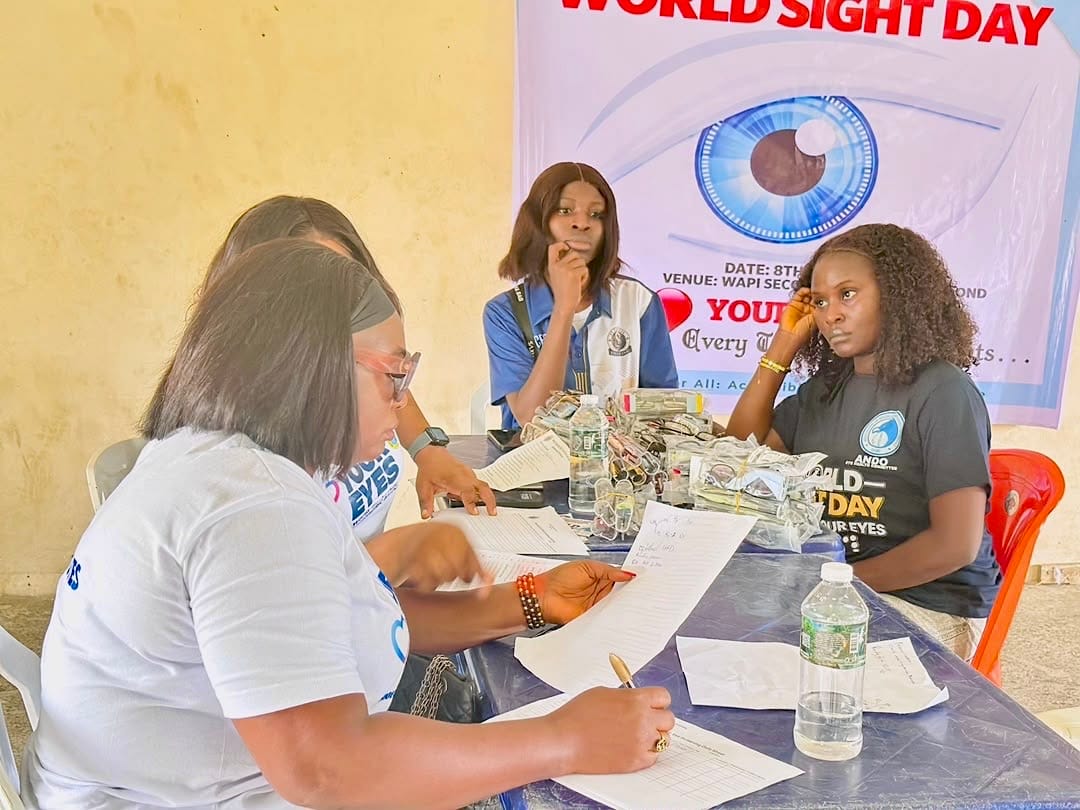
More than 200 teachers in Cross River State have benefited from free eye care services provided by the Nigerian Optometric Association (NOA), Cross River State Chapter, as part of activities marking the 2026 World Sight Day in Calabar.
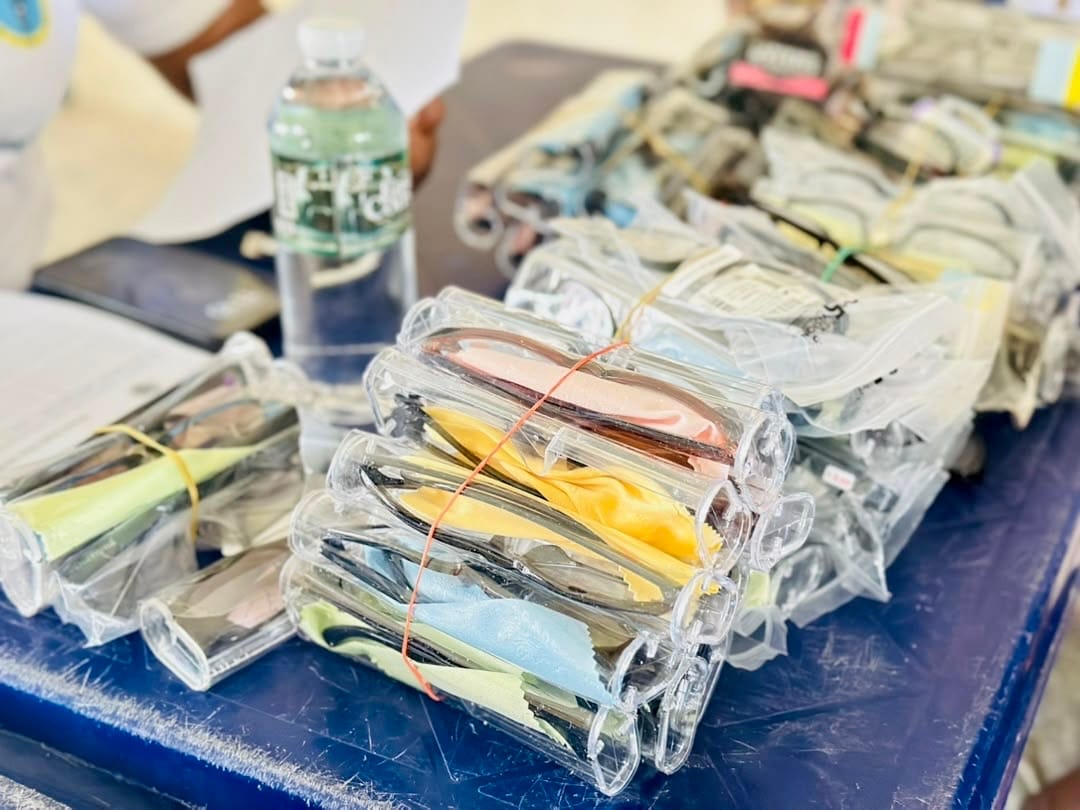
The outreach, organised for the Southern Senatorial District, featured free vision screening, the distribution of about 200 reading glasses and eye medications, and training to equip teachers with the skills to identify early signs of visual impairment among pupils and students.
Speaking during the exercise, the State Chairperson of NOA, Dr. Ogechi Cecilia Chukwu, said teachers were targeted because of their crucial role in shaping children’s futures, noting that good vision was essential for effective learning and academic development.
She, however, expressed concern over the shortage of eye care professionals in rural communities, warning that the manpower gap was leaving residents vulnerable to unqualified practitioners and preventable blindness.
Chukwu disclosed that Cross River State had only two optometrists in its civil service, describing the situation as alarming given the State’s geographical spread and the number of residents requiring professional eye care.
“Right now, we are carrying out outreach in Calabar in the Southern Senatorial Zone, but we have to pull optometrists from Calabar to serve other zones due to zero presence of professionals in those rural areas,” she said, urging the State Government to urgently recruit and deploy optometrists to underserved communities.
The NOA chairperson cited a 2022 survey by the University of Calabar Teaching Hospital (UCTH), which estimated that about 210,000 residents of Cross River State were living with visual impairment, with rural communities bearing a significant share of the burden.
She warned that limited access to qualified eye care professionals had left many rural residents relying on unqualified practitioners who, she said, often made incorrect diagnoses and prescribed harmful treatments that could result in irreversible blindness.
“During a recent outreach in Ekori, Yakurr Local Government Area, we identified 18 blind individuals and 48 people with advanced cataracts requiring urgent surgery. These preventable cases are growing because eye problems are not caught early,” she lamented.
Chukwu stressed that early detection and timely treatment could prevent many cases of avoidable blindness. She called for improved access to professional eye care, particularly in remote communities where residents face difficulties reaching qualified practitioners.
To address the manpower shortage in the long term, she appealed to the Vice-Chancellor of the University of Calabar to establish a Department of Optometry, saying local training would help produce more professionals to serve communities across the State.
She noted that although Arthur Jarvis University had recently introduced an optometry programme, a similar department at the University of Calabar would expand training opportunities for indigenes and encourage more graduates to remain in Cross River to provide eye care services.
“Cross River is a vast state, and reaching many remote communities is extremely difficult. If UNICAL establishes a Department of Optometry, more indigenes can train locally, graduate and stay back to serve. That is the most effective way to lighten the burden on the few of us serving the entire State,” Chukwu added.
By Kingsley Agim