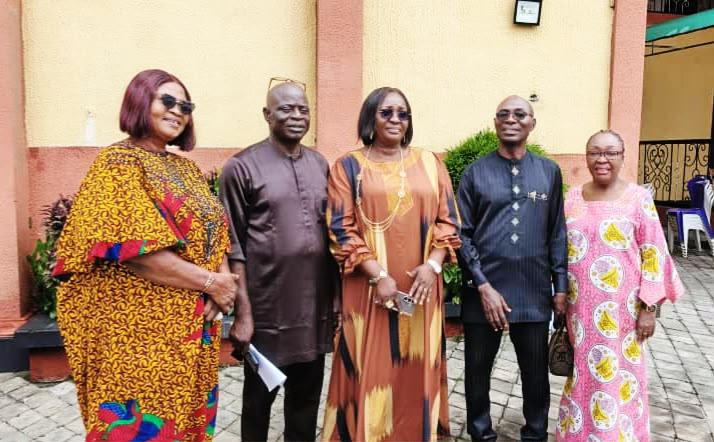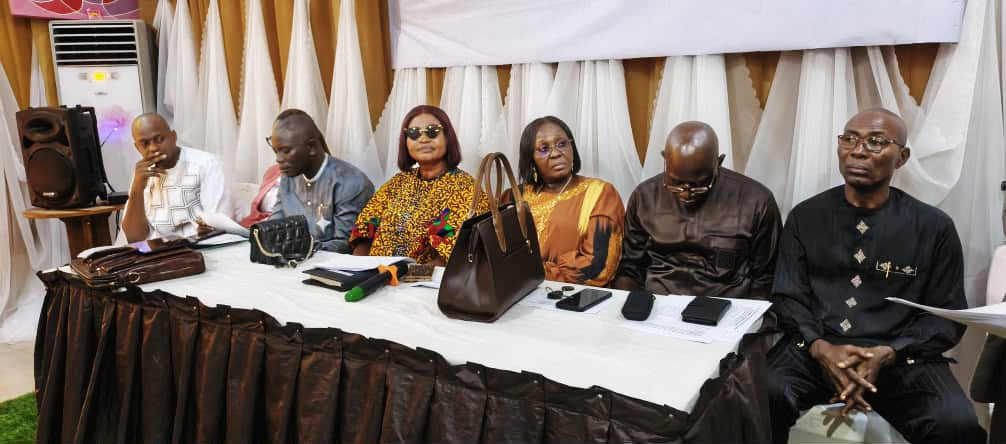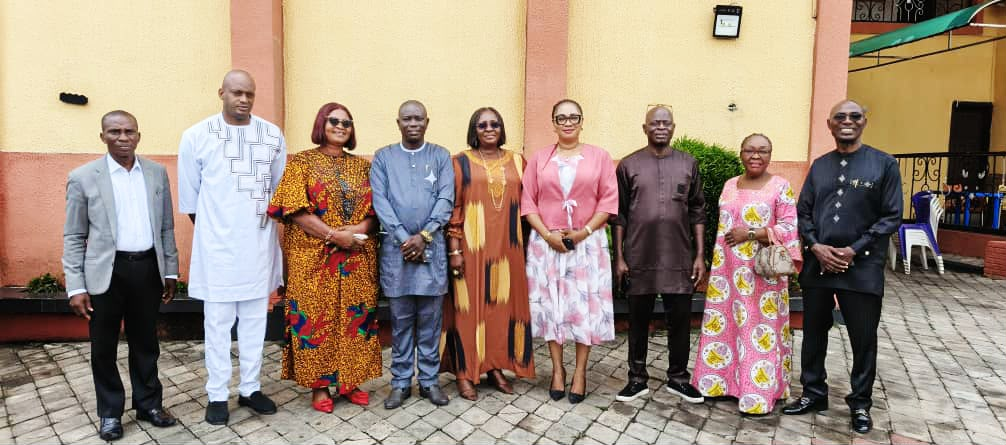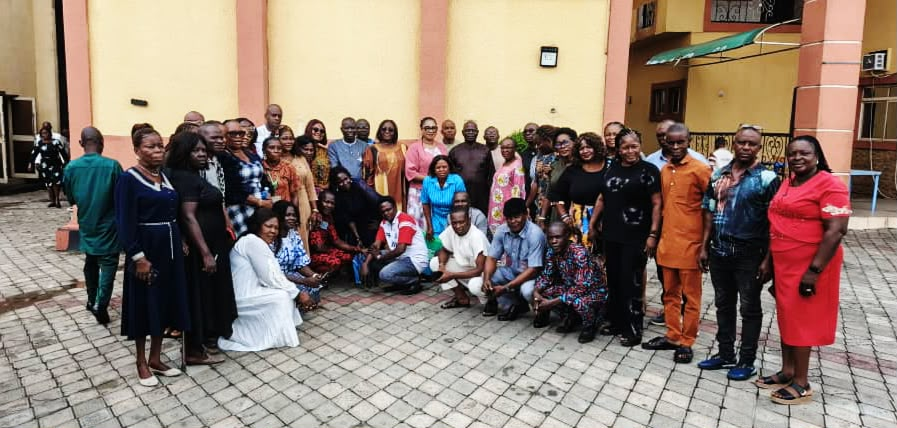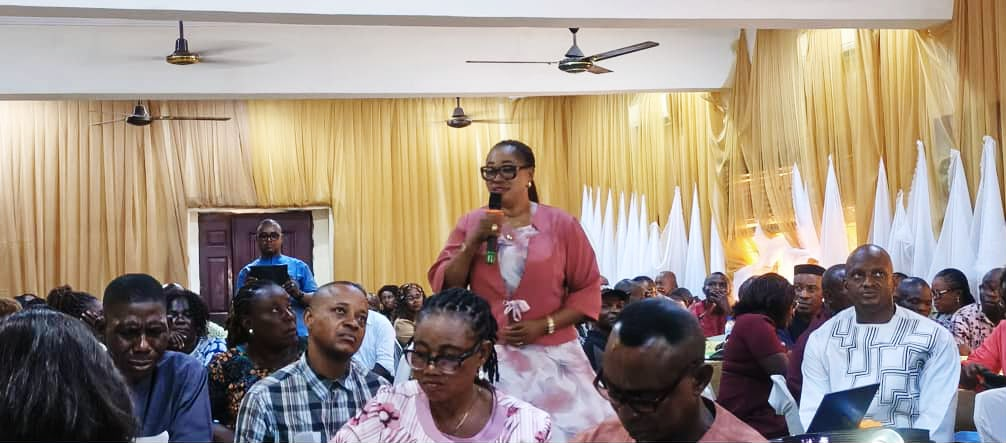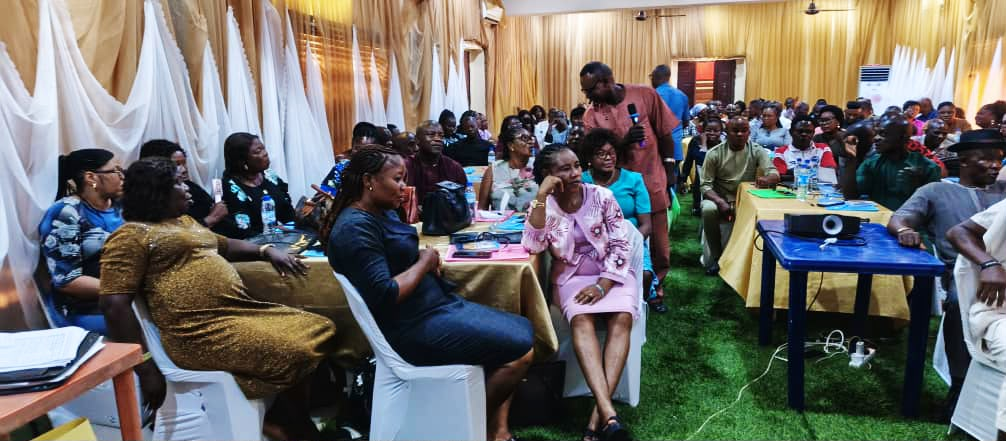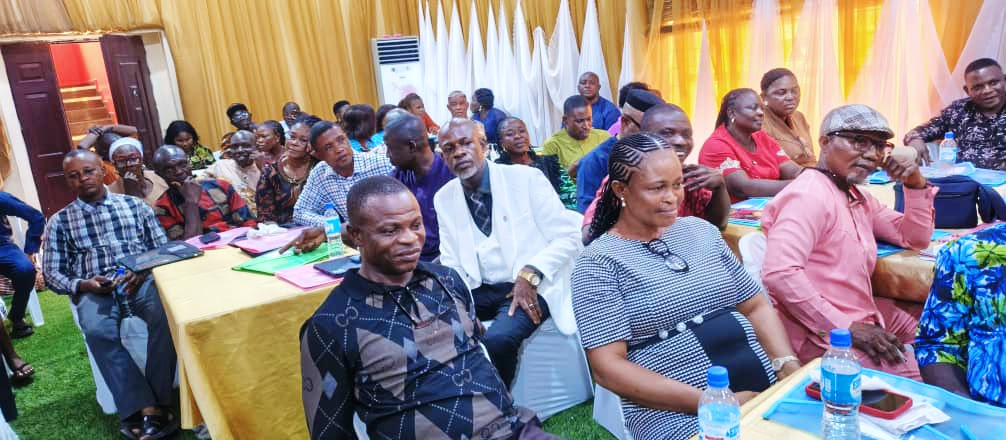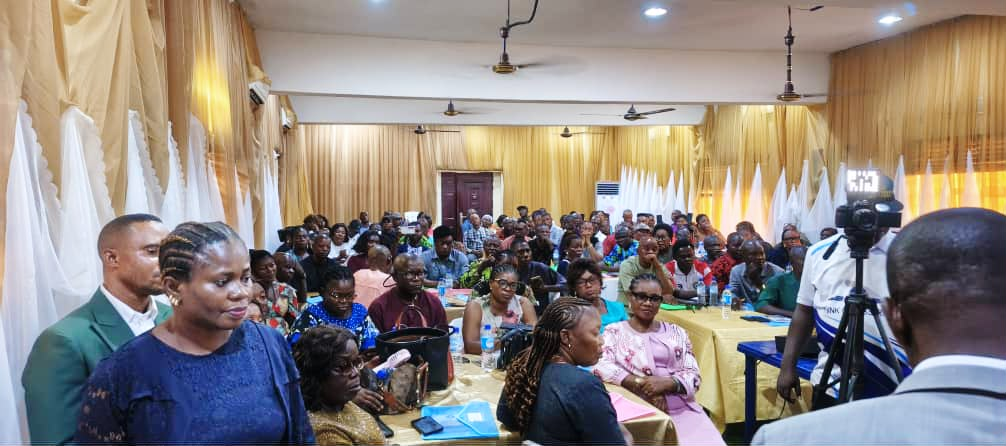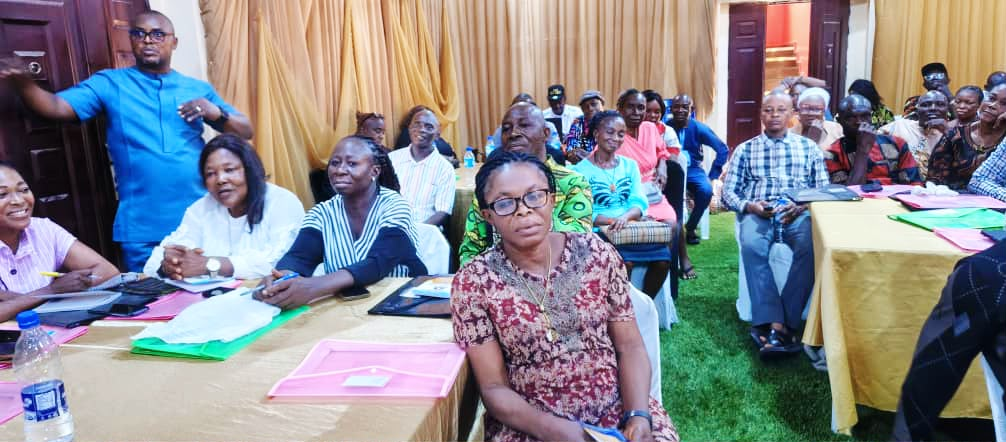
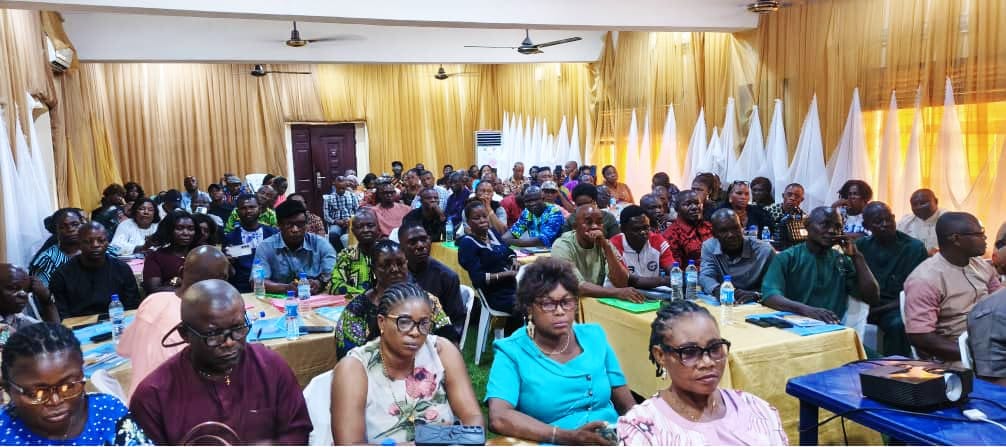
The Universal Basic Education Commission (UBEC), in collaboration with the Cross River State Universal Basic Education Board (SUBEB), has commenced a four-day capacity-building workshop for 110 head teachers and principals across the state aimed at strengthening quality assurance practices and improving school administration.
The workshop, organized by the Monitoring and Evaluation Department of SUBEB, is themed: “Improving the Capacity of School Leaders on Quality Assurance Procedures for Effective and Efficient School Administration.”
Declaring the workshop open, the Executive Chairman of Cross River SUBEB, Mrs. Fedelia Okpo Ene, underscored the importance of continuous professional development in driving excellence and efficiency within the education sector.
She noted that the participants were carefully selected from over 1,000 head teachers and principals across the state based on their strategic role in shaping educational outcomes and strengthening school management.
Mrs. Ene urged the participants to take full advantage of the training by applying the knowledge and skills acquired to improve administration, teaching quality, and learning outcomes in their respective schools.
“Education remains the foundation of societal development, and school leaders play a critical role in ensuring quality teaching and learning. This workshop is designed to equip you with the tools needed to effectively monitor educational standards and improve school performance,” she said.
Earlier in his address, the Director of Monitoring and Evaluation, Archibong Okon, described the workshop as both timely and necessary given the growing concerns over learning outcomes among school-age children in Nigeria and Cross River State.
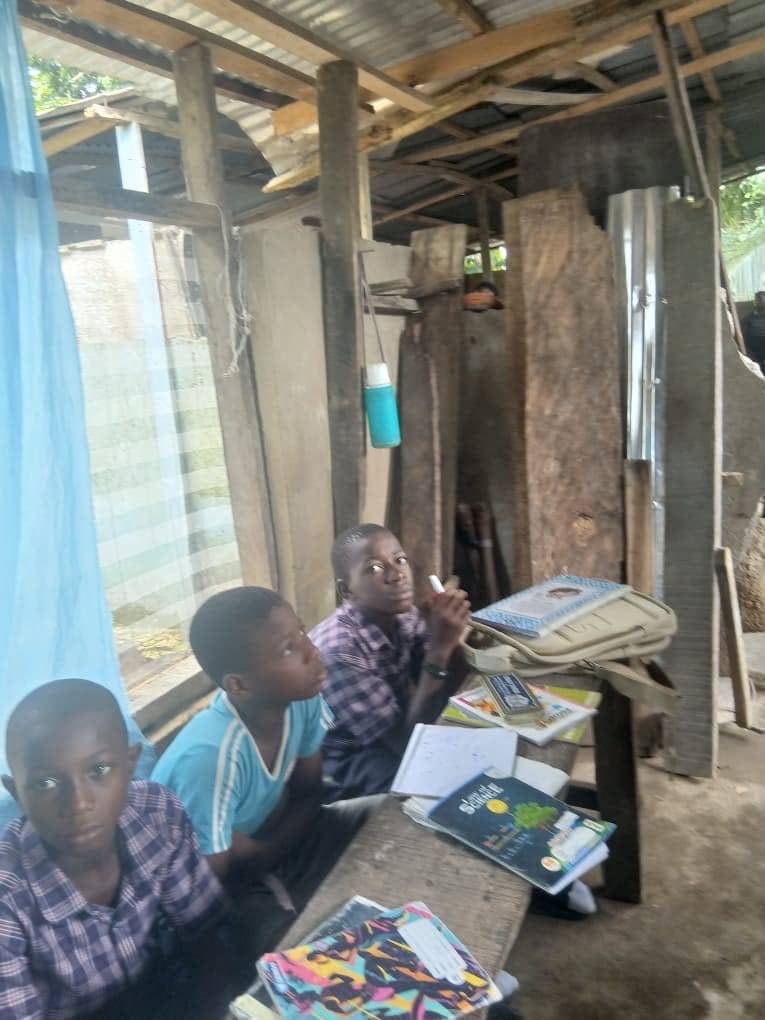
He referenced a 2022 UNICEF report which revealed that many children suffer from learning poverty, with a significant number unable to read simple texts or solve basic mathematical problems by the age of ten.
According to Okon, governments and development partners have continued to introduce interventions aimed at addressing these challenges, including the Teaching at the Right Level (TaRL) initiative, Foundation Literacy Improvement Programmes, and educational interventions supported by Save the Children Africa.
He explained that the training would equip school leaders with practical skills to effectively monitor learning outcomes, identify instructional gaps, strengthen classroom supervision, and implement corrective measures that would enhance educational standards.
“This workshop is expected to empower school administrators with the knowledge and competencies required to improve teaching and learning processes in their schools. The ultimate goal is to ensure better learning outcomes for our pupils,” he stated.
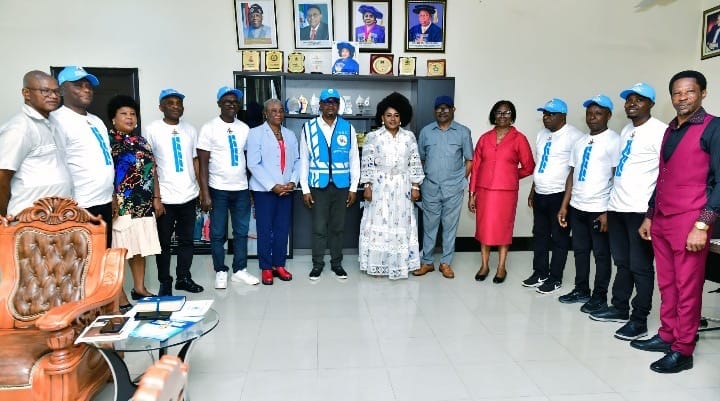
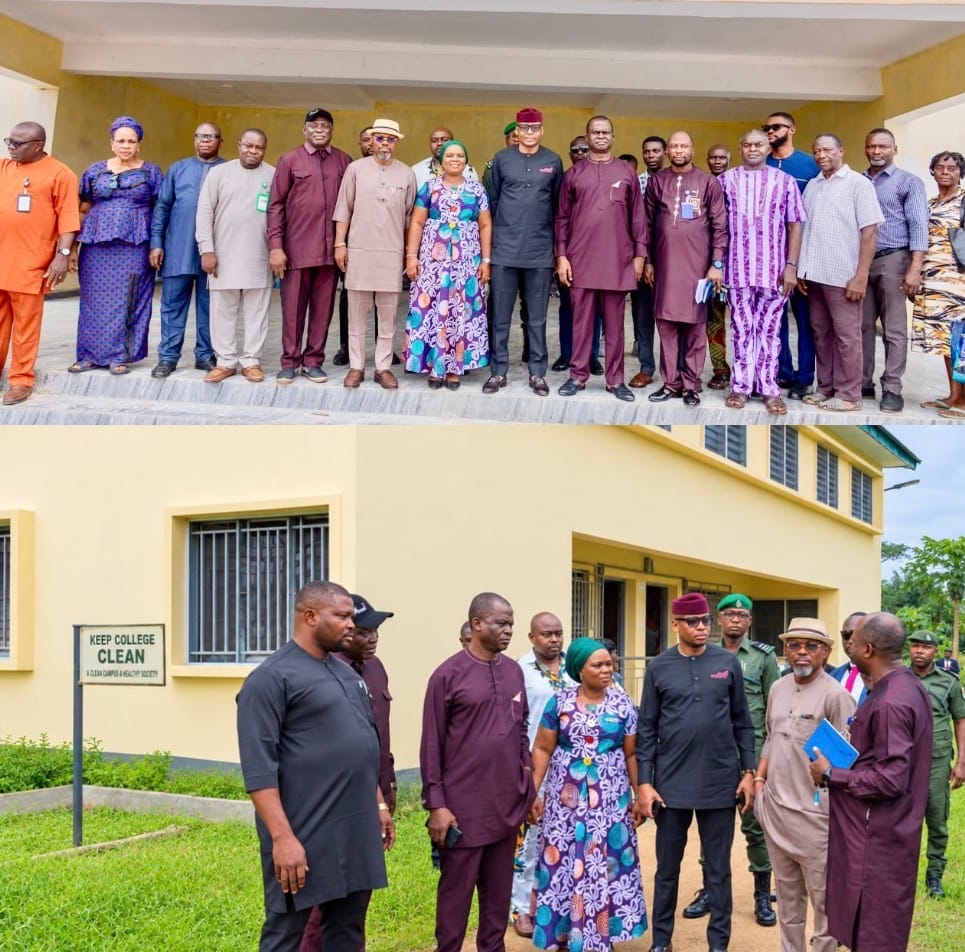
The opening ceremony attracted key stakeholders in the education sector, including the Board Secretary of SUBEB, Mr. Etta Inyang Eyo, as well as Board Members Joseph Ogar, Theresa Essien, Roseline Bisong, Nneka Okafor, Omota Obanowu, and Anakwe.
Speaking on behalf of the participants, Mr. Ebri Bassey Inyang from Yakurr Local Government Area commended UBEC and SUBEB for organizing what he described as a highly insightful and impactful workshop.
He expressed confidence that the knowledge gained would enhance his effectiveness as a school administrator and contribute significantly to improving learning outcomes in his school.
Similarly, Mrs. Nenka Obeni from Ikom Local Government Area praised the Federal and State Governments, UBEC, and SUBEB for investing in the professional development of school leaders.
She said the training had broadened her understanding of quality assurance procedures and equipped her with practical skills that would benefit both teachers and learners in her school.
Obeni also called for more capacity-building opportunities for education managers and pledged to share the knowledge gained with colleagues upon her return.
The workshop is expected to strengthen the capacity of school leaders to effectively monitor teaching and learning activities, enhance accountability within schools, and contribute to improved educational standards across Cross River State.
By Joy Ndoma