

The latest outburst by the Conference of Nigerian Political Parties (CNPP), amplified by the notoriously sensational NewsweekNG, is yet another desperate attempt to manufacture a crisis where none exists. It is unfortunate that a platform whose reputation has become synonymous with sensationalism and questionable journalistic ethics has once again chosen distortion over diligence, serving as a willing conveyor belt for a narrative that collapses under the weight of verifiable facts.
The statement, signed by one Patric Ali, raises even more troubling questions about what has become of the Cross River chapter of the CNPP. An organisation that once prided itself on constructive political engagement now appears to have been hijacked by narrow-minded elements whose stock-in-trade is the cynical vilification of government and the deliberate incitement of public disaffection. Rather than functioning as a credible opposition offering evidence-based alternatives, it has reduced itself to peddling sensational claims, selective outrage and politically motivated rhetoric. Such conduct does no service to democracy and only diminishes whatever credibility the coalition once enjoyed.
More importantly, the CNPP must resist the temptation to become a convenient vehicle for individuals or vested interests seeking to prosecute personal vendettas against public officials or the government. Political platforms earn public respect when they are guided by facts, fairness and the collective interest, not when they lend their name and credibility to ill-intentioned campaigns designed to misinform the public, settle scores or undermine genuine efforts at governance. If the coalition hopes to retain any moral authority as an opposition body, it must subject every allegation brought before it to rigorous scrutiny rather than serving as a megaphone for disgruntled actors pursuing narrow personal objectives.
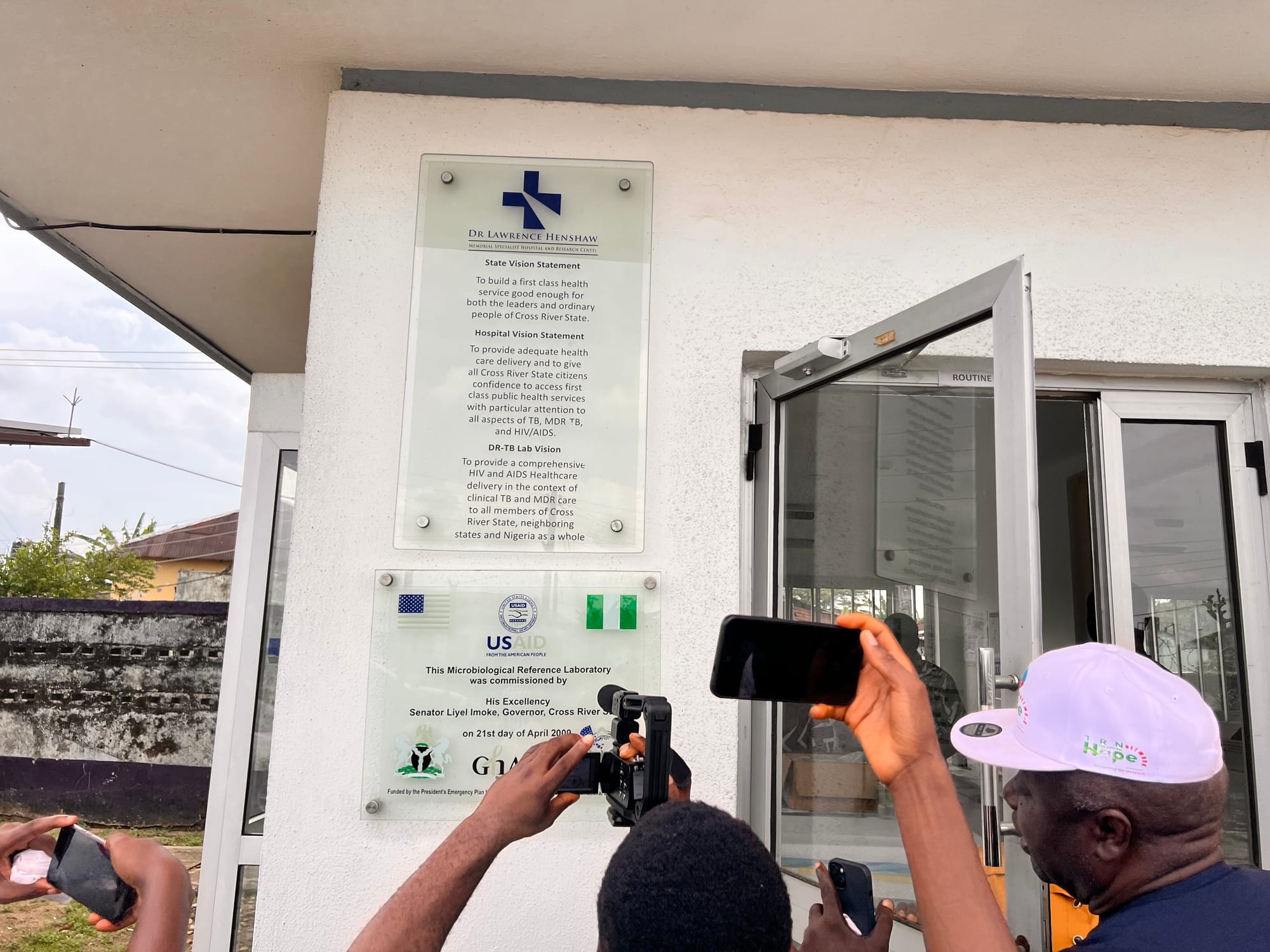
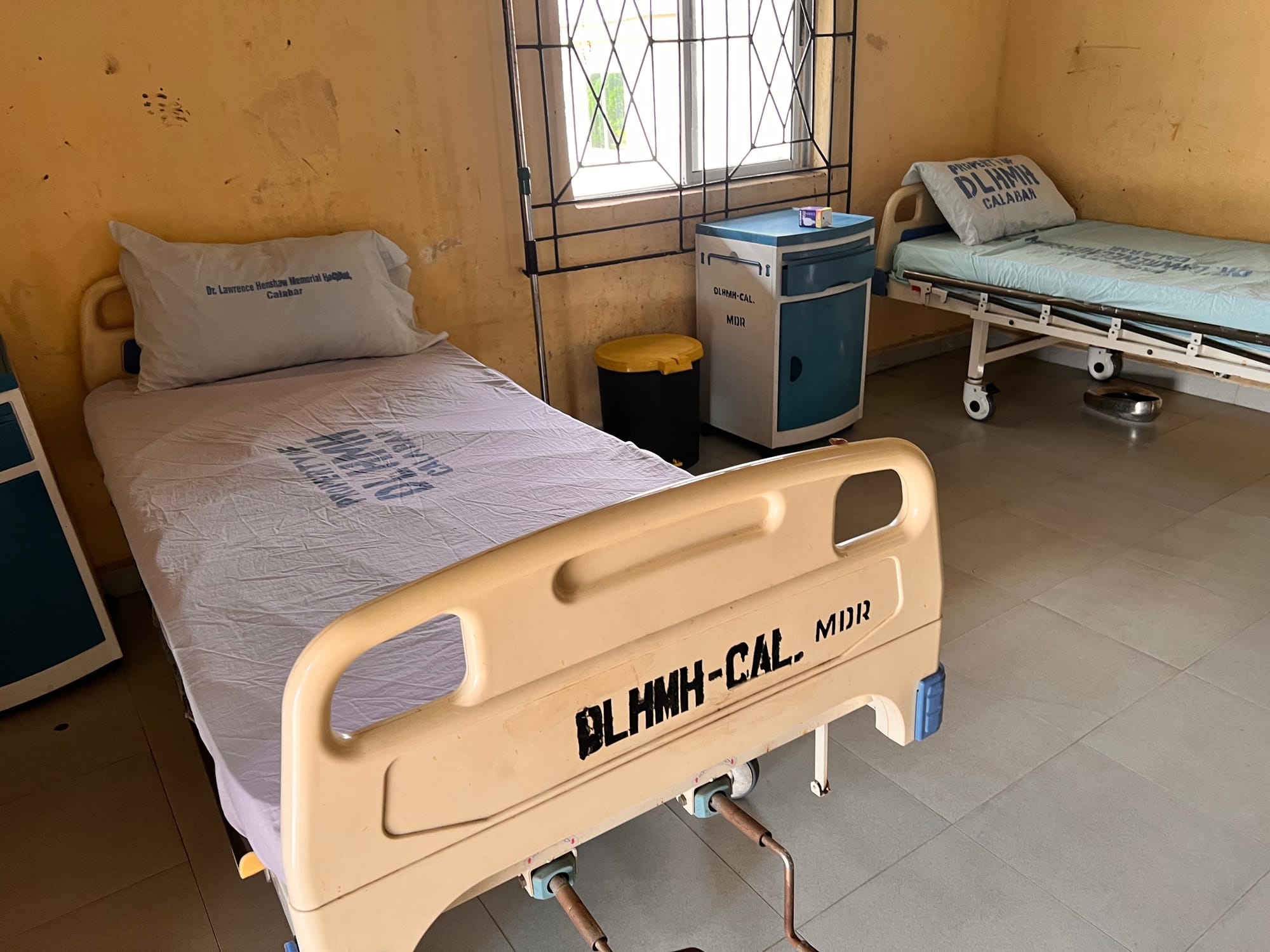
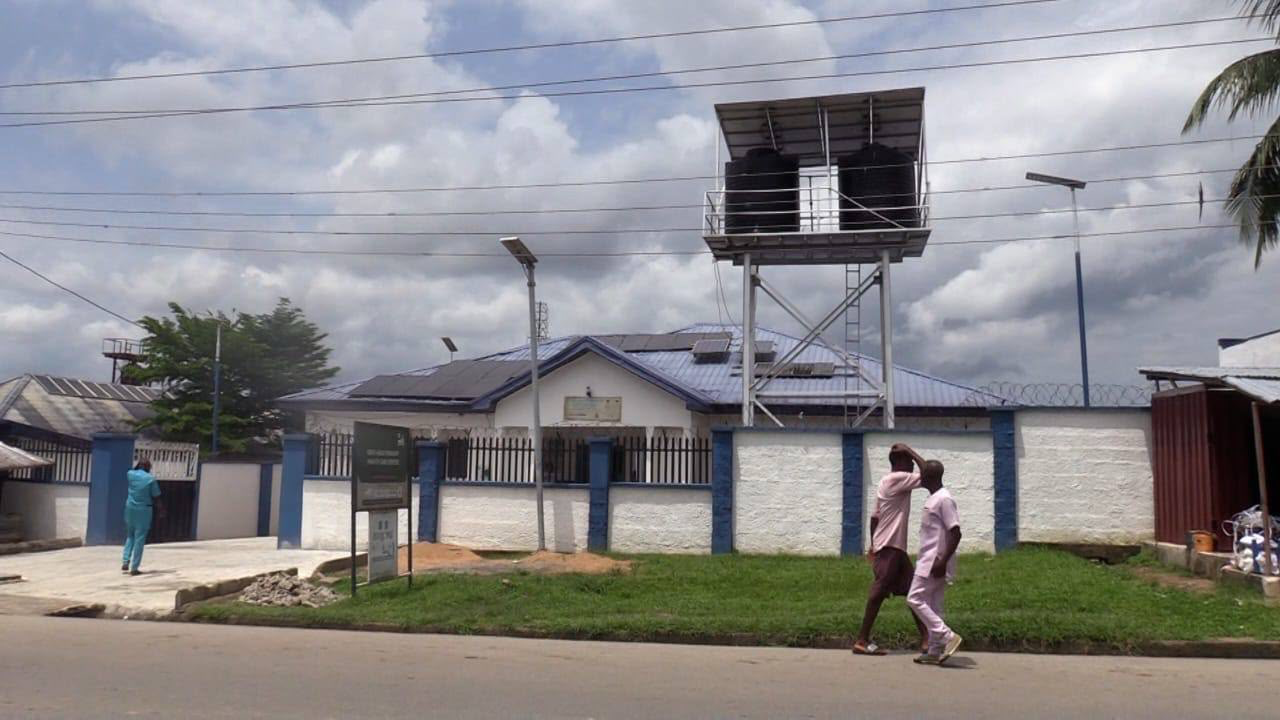
Nothing better exposes the poverty of the CNPP’s argument than its fixation on a single facility, the Lawrence Henshaw Memorial Hospital in Calabar. The hospital suffered extensive destruction during the #EndSARS violence of 2020 and is currently undergoing phased rehabilitation by the present administration. Yet, in its desperation to paint a picture of collapse, the CNPP deliberately showcased only sections still under renovation while ignoring the completed interventions within the same complex. Such selective representation is not only intellectually dishonest but a calculated attempt to mislead the public.

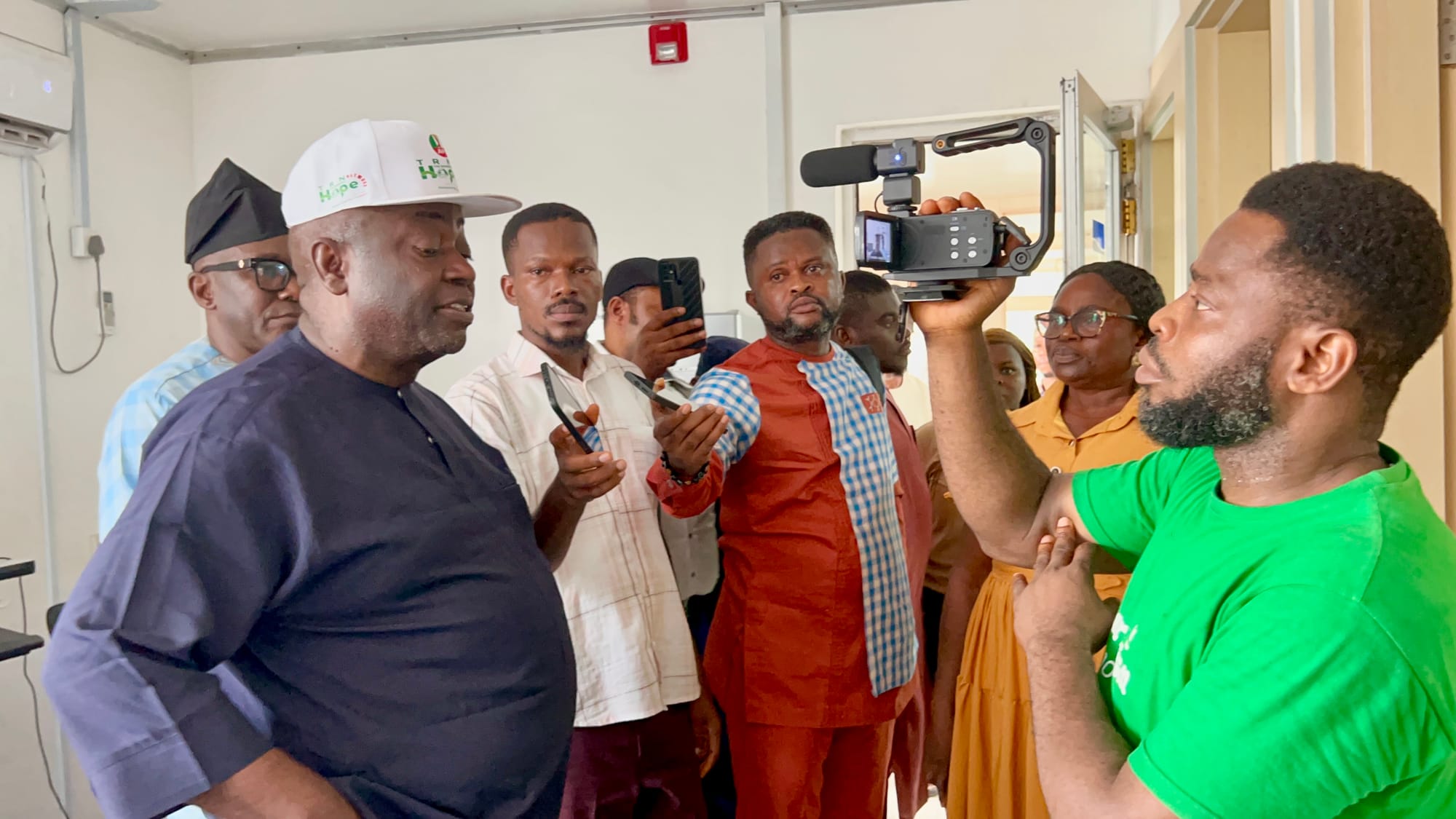
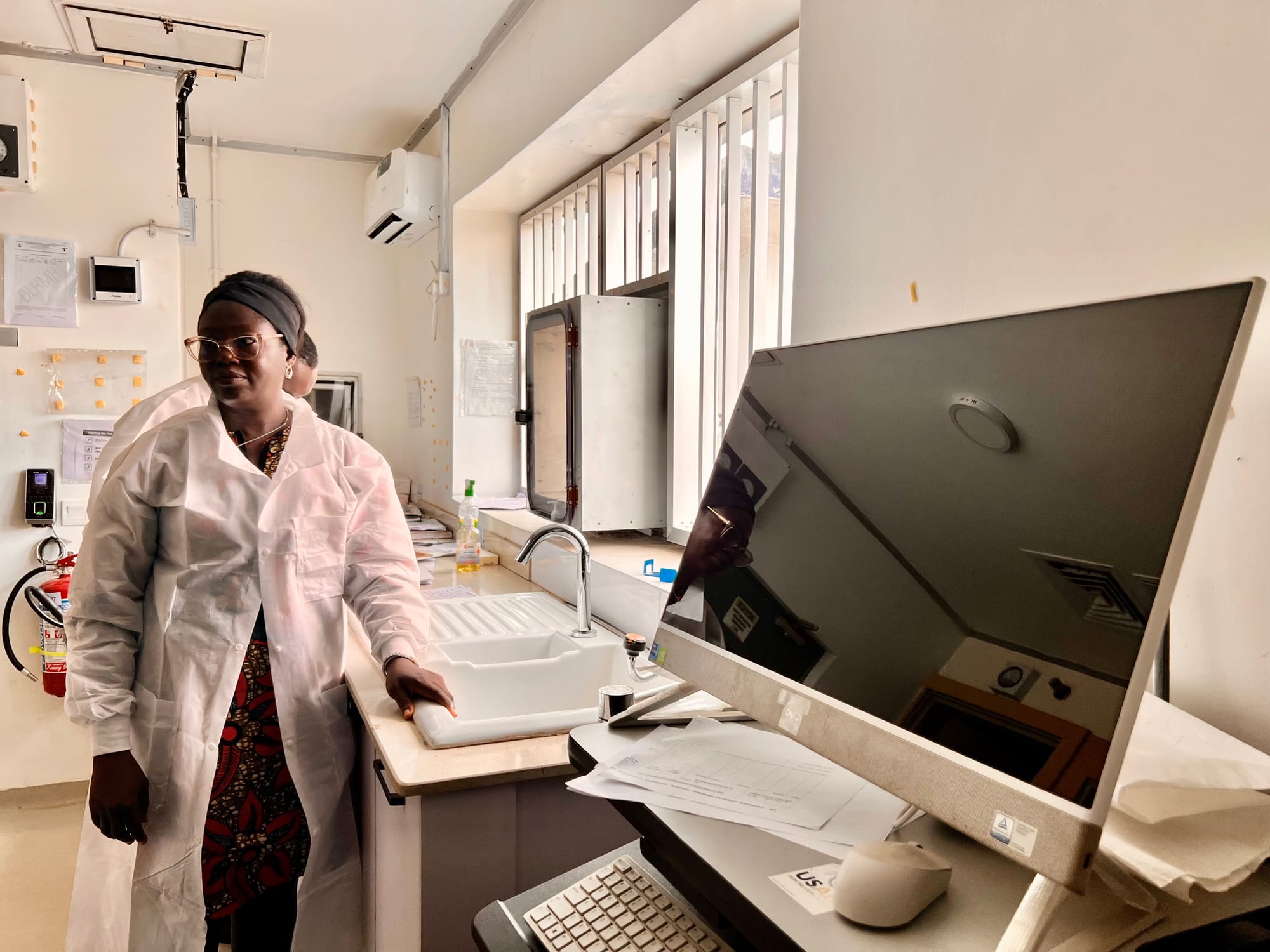
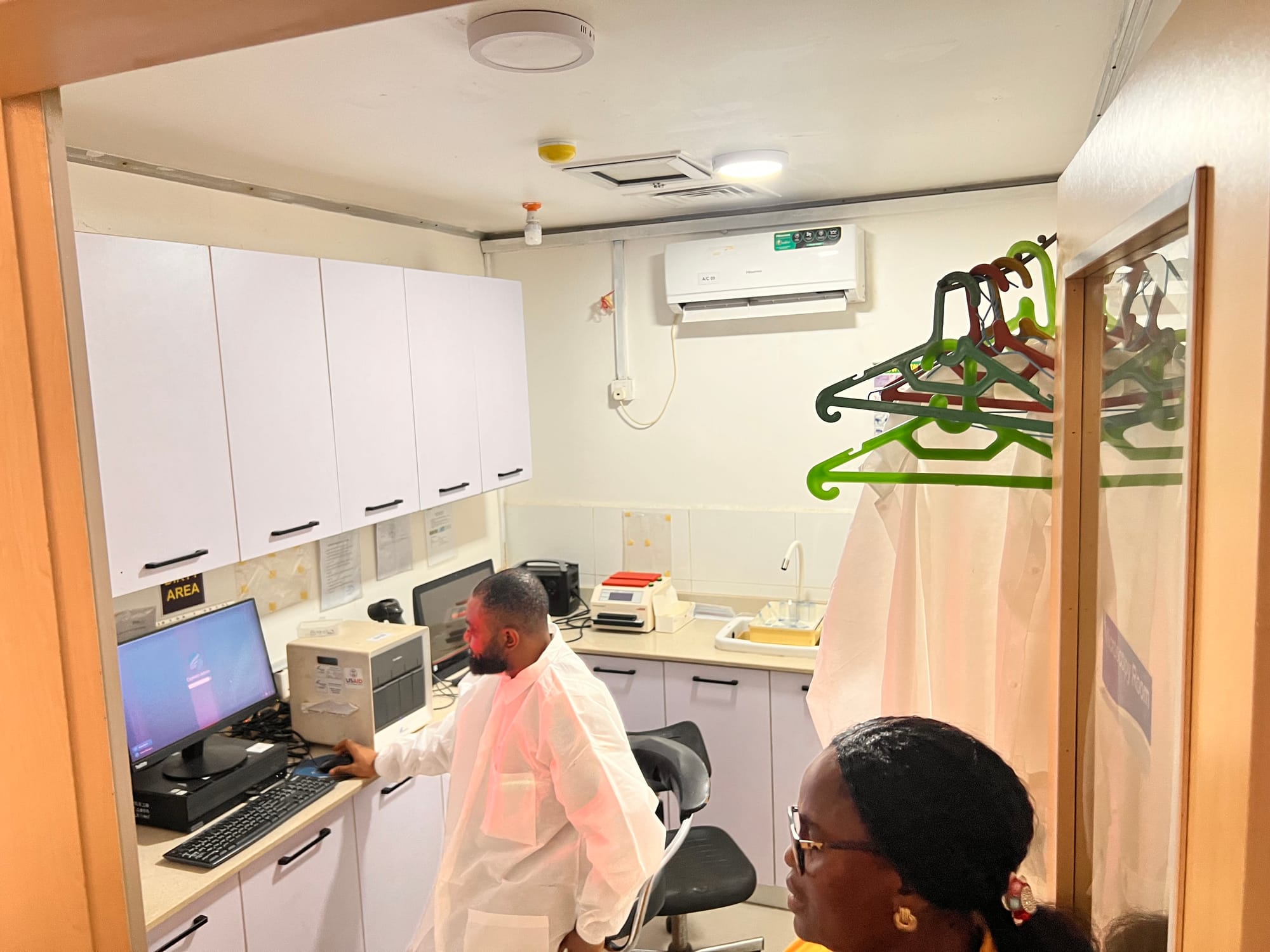
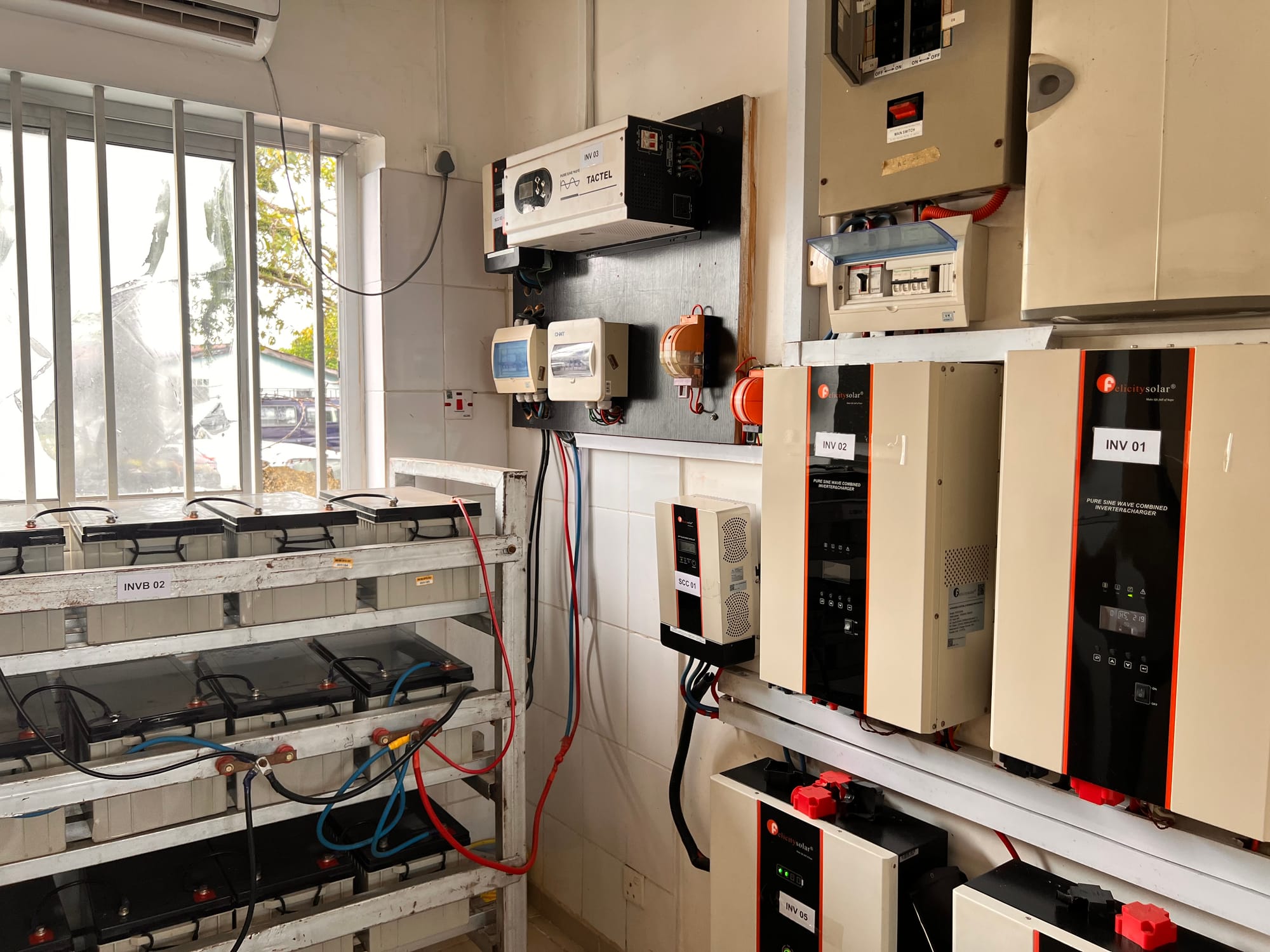
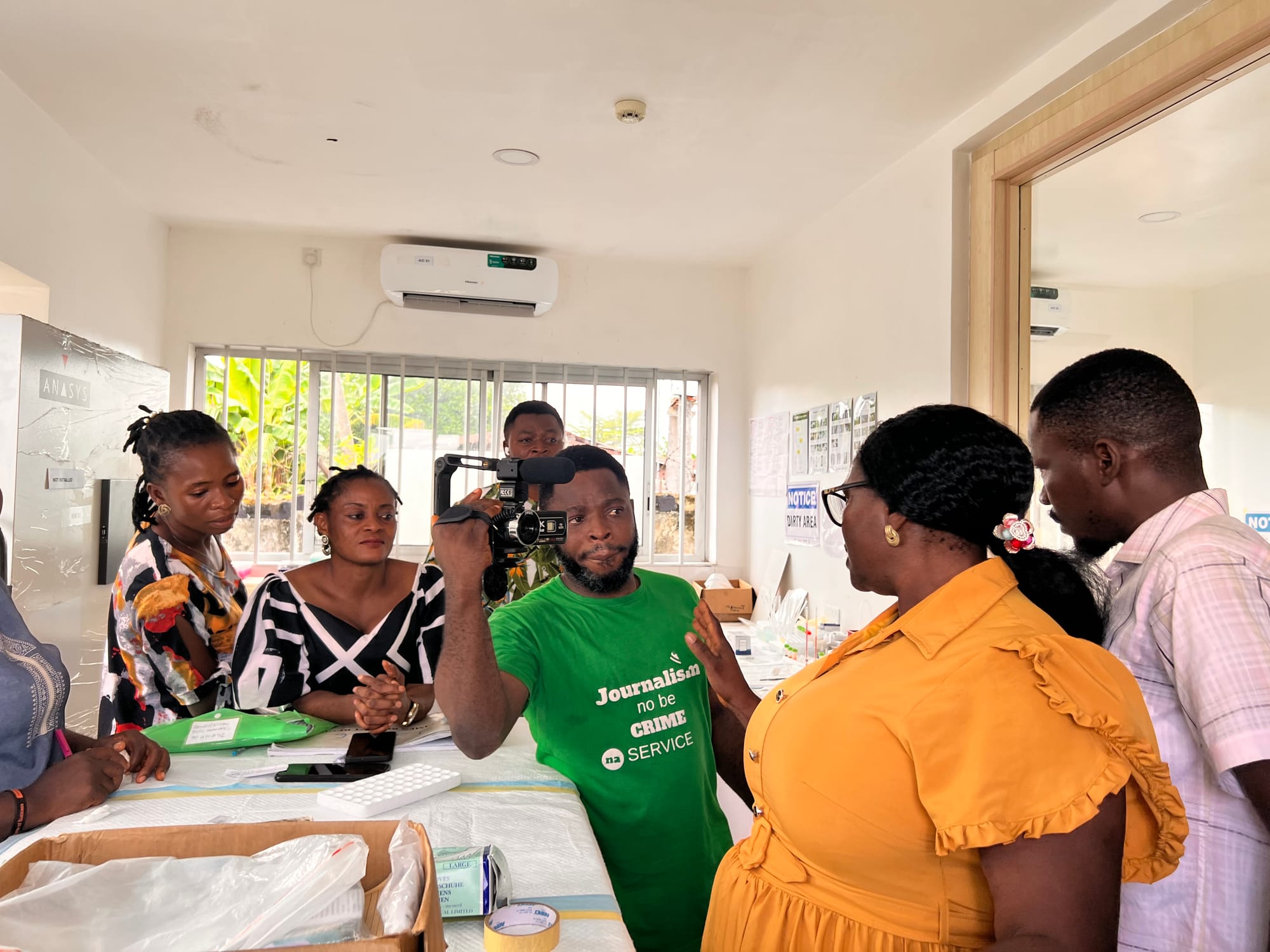
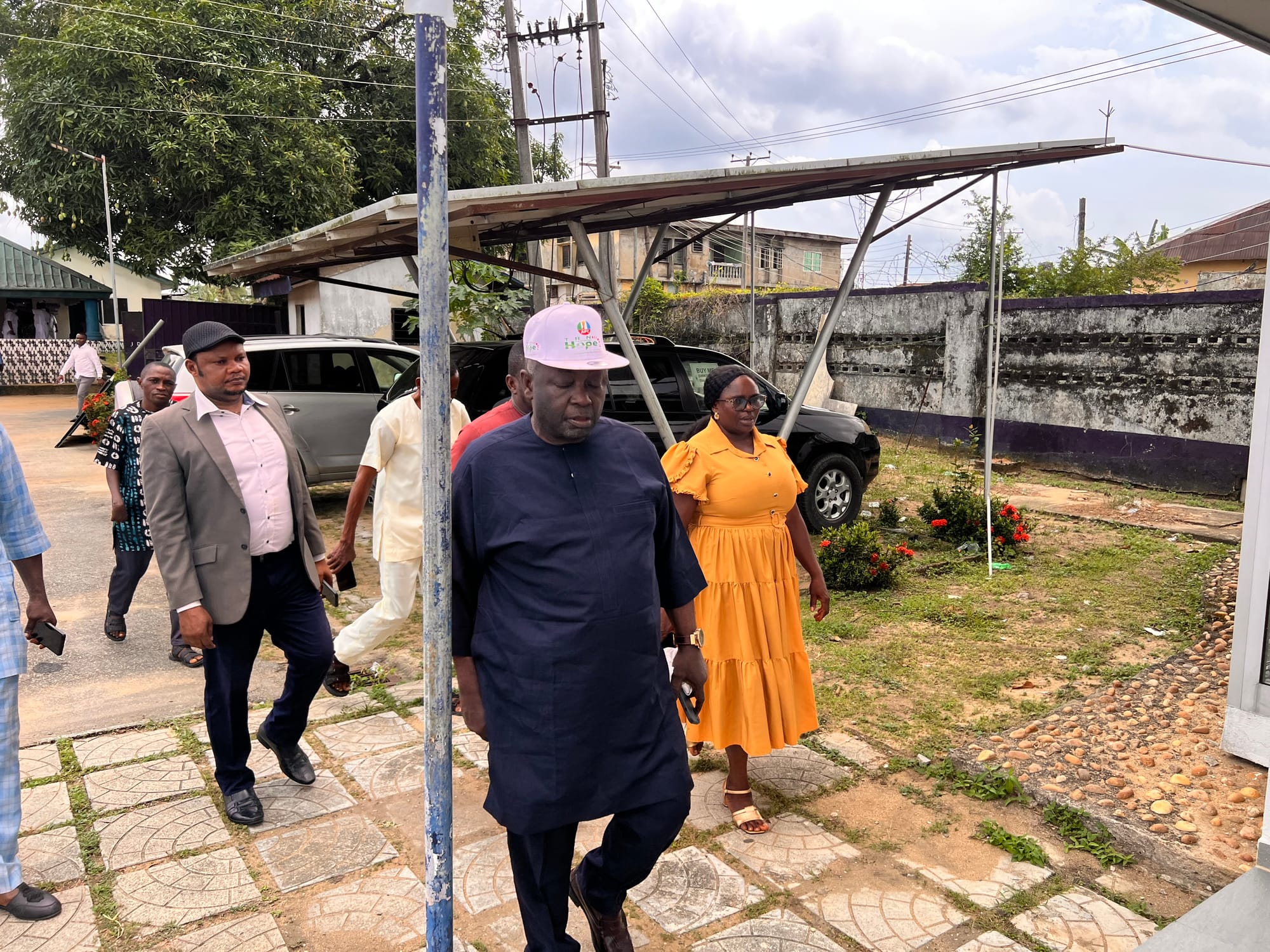
Conspicuously omitted from the CNPP’s narrative is the fully rehabilitated Tuberculosis Reference Laboratory within the Lawrence Henshaw Memorial Hospital complex, which has been restored and re-equipped to strengthen tuberculosis diagnosis and treatment in the state. Anyone willing to undertake an objective inspection of the facility, accompanied by its management, would readily observe the extensive work already completed instead of relying on carefully selected images designed to reinforce a predetermined narrative.
The opposition coalition also chose to ignore the remarkable progress recorded in primary healthcare since Governor Bassey Otu assumed office in 2023. Contrary to its sweeping claims, the administration has revitalised well over 100 Primary Healthcare Centres across the state’s 18 local government areas, bringing quality healthcare services closer to rural communities that had long been neglected. These interventions are documented and were comprehensively captured in the government’s third anniversary report on the health sector.
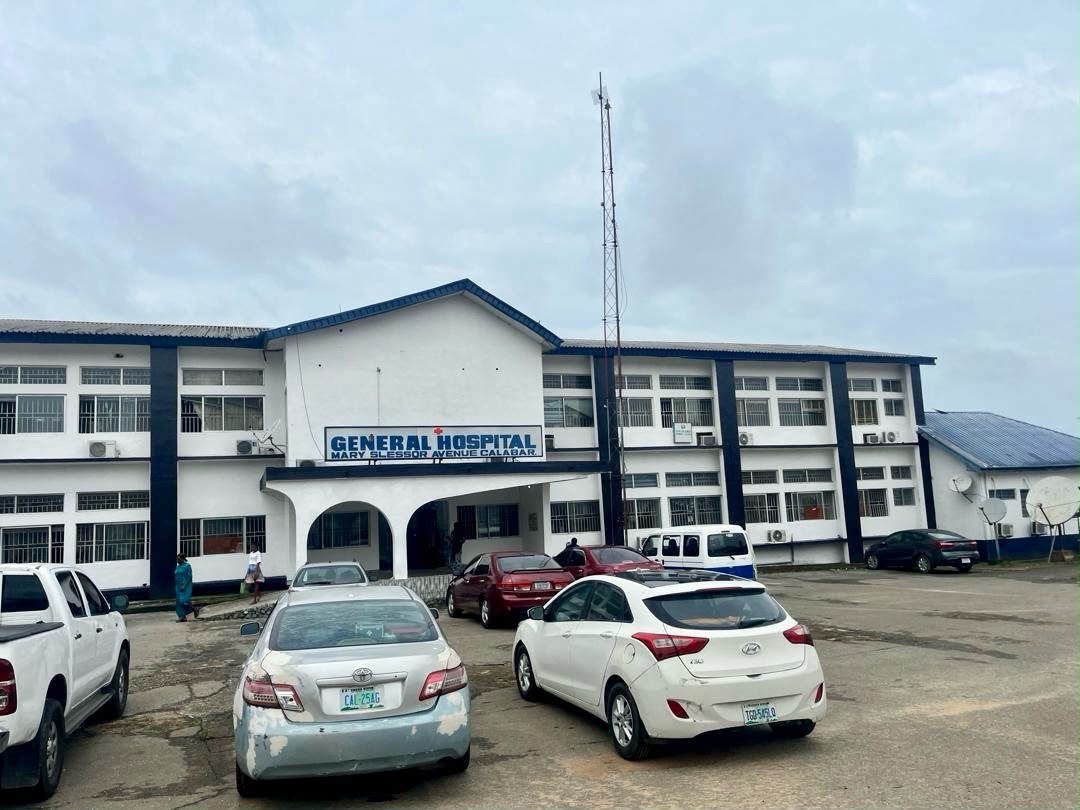
Beyond primary healthcare, deliberate investments are transforming secondary healthcare facilities across the state. At the General Hospital, Calabar, government has embarked on a comprehensive modernisation programme, including the digitalisation of healthcare services, internet connectivity across service points, automation of hospital operations, improved patient record management and the installation of a medical oxygen production plant to guarantee uninterrupted oxygen supply for critical care.
The administration has equally constructed oxygen infrastructure at General Hospital Calabar, Ogoja, and the facility at Ikom Children Clinic awaiting commissioning, while pursuing extensive rehabilitation works across the state. At the General Hospital, Obudu which has recently been recovered from over 10 years of abandonment, government is implementing interventions aimed at restoring basic services services, including dialysis, while also recovering and revitalising public health facilities that had previously been ceded to private interests.
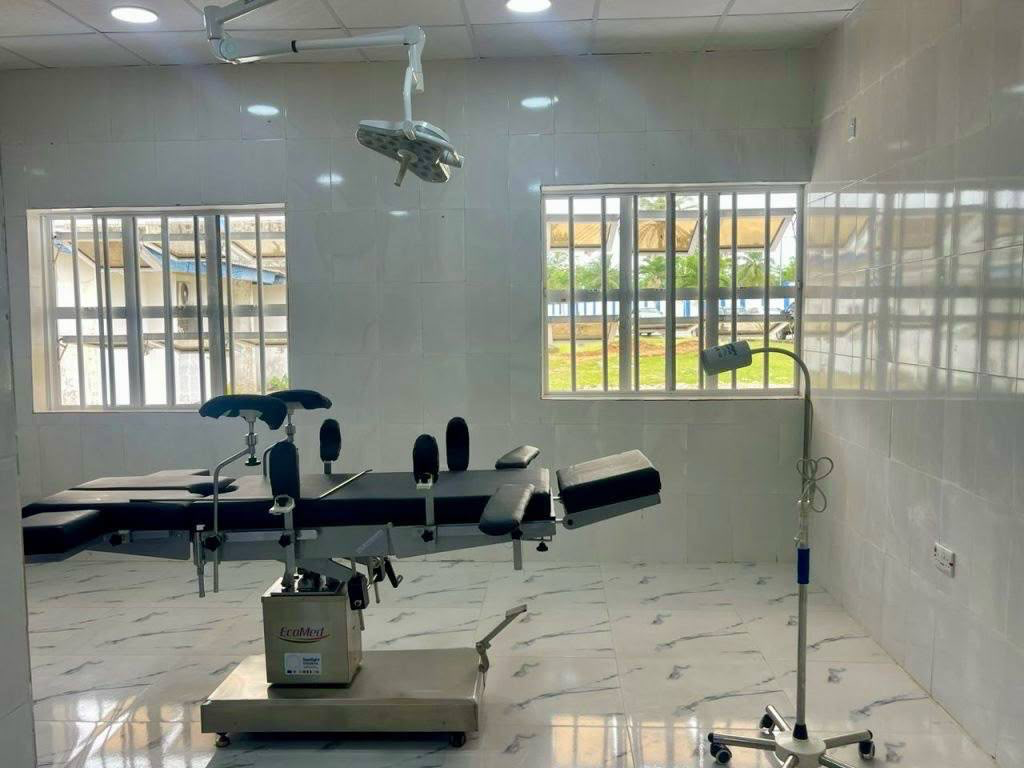
These are measurable interventions, not political slogans. They reflect a government that understands that rebuilding a healthcare system neglected for years requires careful planning, phased execution and prudent resource management rather than populist grandstanding.
Even more disturbing is the CNPP’s infantile understanding of governance. Development is not achieved by abandoning every sector to concentrate resources on a single project merely to satisfy political critics. Every responsible administration must balance competing priorities; infrastructure, education, security, agriculture, aviation, tourism, road construction, workers’ welfare and healthcare, within the limits of available resources. That is precisely what the Otu administration has done, recording visible progress across multiple sectors despite prevailing economic headwinds.
The CNPP would do well to undertake an honest comparative assessment of the immediate past administration and the present one before rushing to the media with politically motivated verdicts. Let it compare the condition of health facilities inherited in 2023 with the extensive rehabilitation now underway. Let it compare the state’s healthcare infrastructure, security architecture, road network, aviation sector and investment climate then and now. Such an exercise would produce facts rather than fiction, and informed criticism rather than politically convenient propaganda.
Constructive opposition remains indispensable in every democracy, but opposition forfeits public confidence when it abandons objectivity for bitterness and substitutes evidence with manufactured outrage. Cross Riverians deserve honest engagement rooted in facts, not desperate attempts to undermine every genuine effort at rebuilding the state.
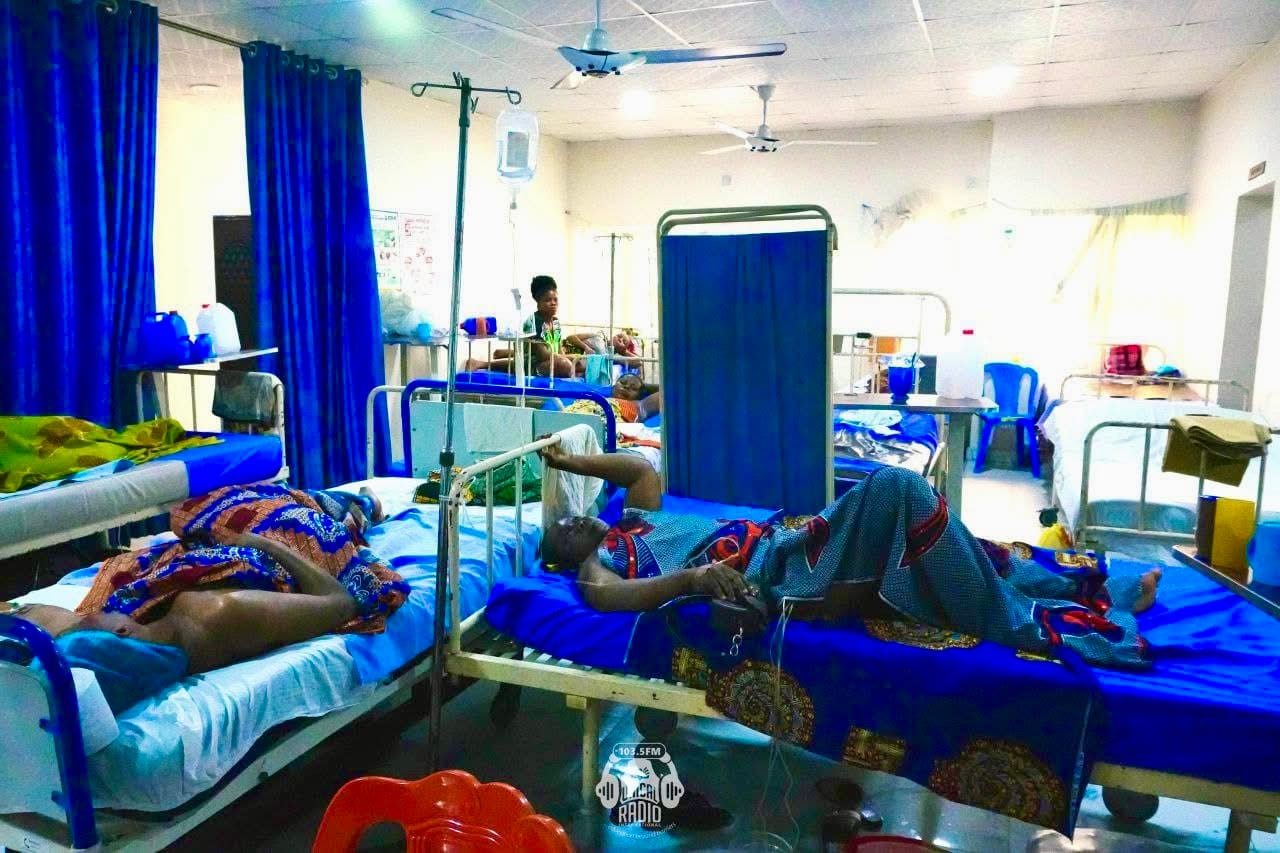
Governor Bassey Otu’s administration has demonstrated both the vision and commitment required to reposition not only the health sector but Cross River State as a whole. The assignment is undoubtedly enormous and the inherited challenges daunting, yet measurable progress continues to be recorded through deliberate planning, strategic investments and prudent management of available resources. Consequently, the empty rhetoric of a group that has clearly lost its grip on present-day realities deserves little attention from discerning members of the public.
Kingsley Agim, anipr
Information Officer
Cross River State Ministry of Health