The Cross River State Emergency Management Agency (CR-SEMA), in collaboration with the National Emergency Management Agency (NEMA) and the Nigerian Red Cross Society, has stepped up efforts to address persistent flooding at the University of Cross River State (UniCROSS), Calabar, with an assessment of major drainage channels within and around the institution.
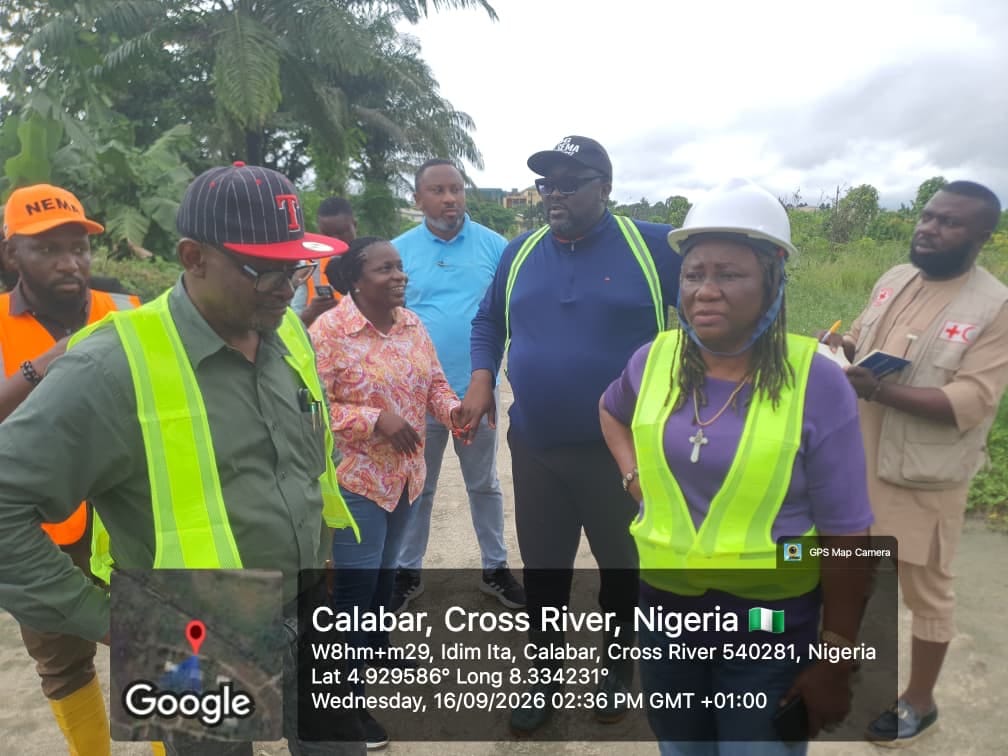
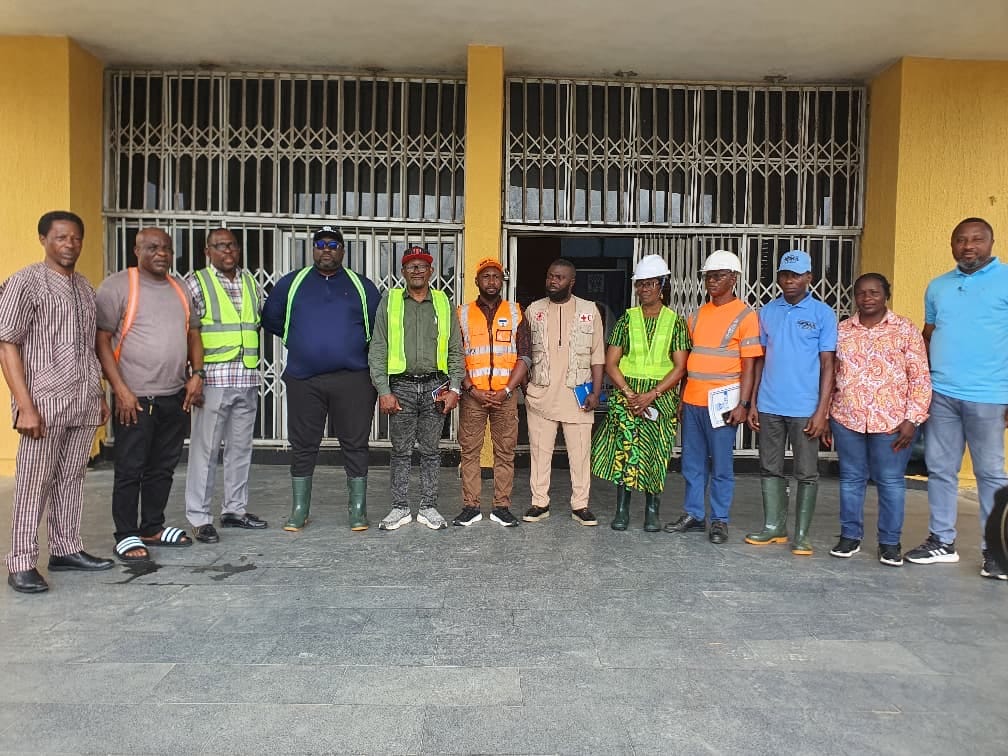
The assessment, led by the Director-General of CR-SEMA, Mr. Efa Nyong, brought together NEMA’s Acting Head of Operations for Cross River and Akwa Ibom, Mr. Austin Awoji, and the Disaster Management Officer of the Nigerian Red Cross Society, Mr. Agbor Okim, following concerns raised by the university over the worsening drainage situation.
The intervention followed a letter from the Vice Chancellor of UniCROSS, Prof. Francisca Bassey, drawing CR-SEMA’s attention to the condition of drainage channels within and around the university and the recurring flooding affecting parts of the institution and neighbouring communities.
Receiving the delegation, the Vice Chancellor, represented by the Deputy Vice Chancellor, Administration, Prof. Thomas Ogon Ojikpong, expressed appreciation to the emergency management agencies for responding to the university’s concerns, describing the earlier communication as more than an ordinary letter but a “cry for help.”
Ojikpong said, “We are grateful that our concerns have been heard and that action has been taken. The situation requires urgent attention because the flooding affects not only the university but also communities around us.”
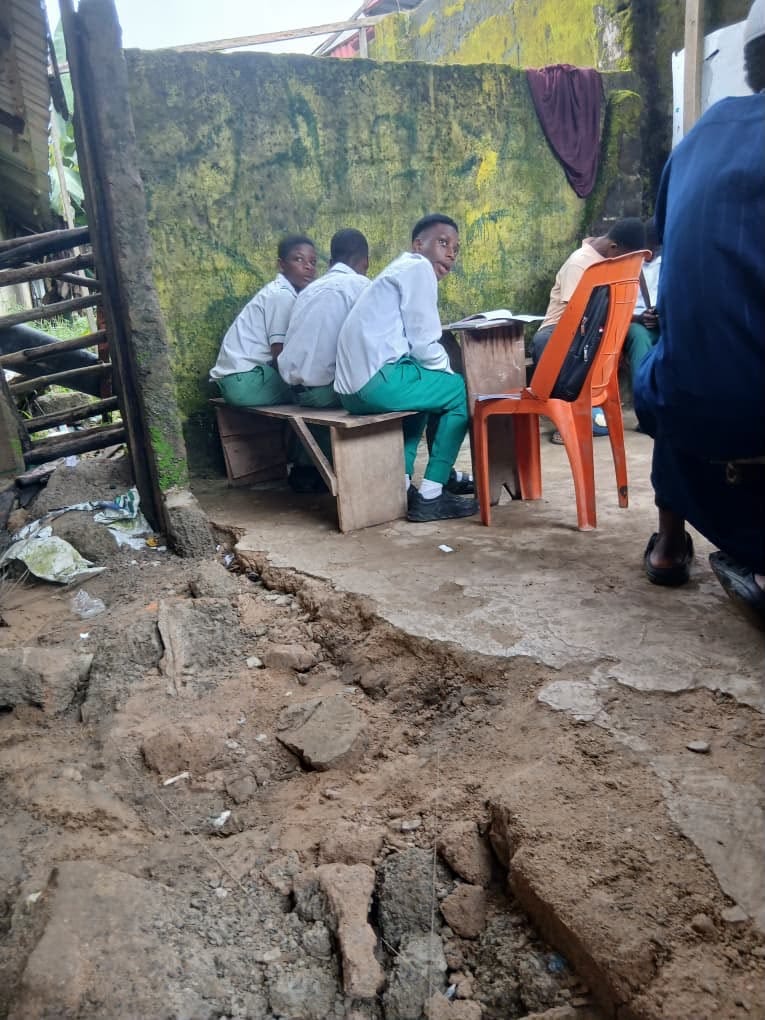
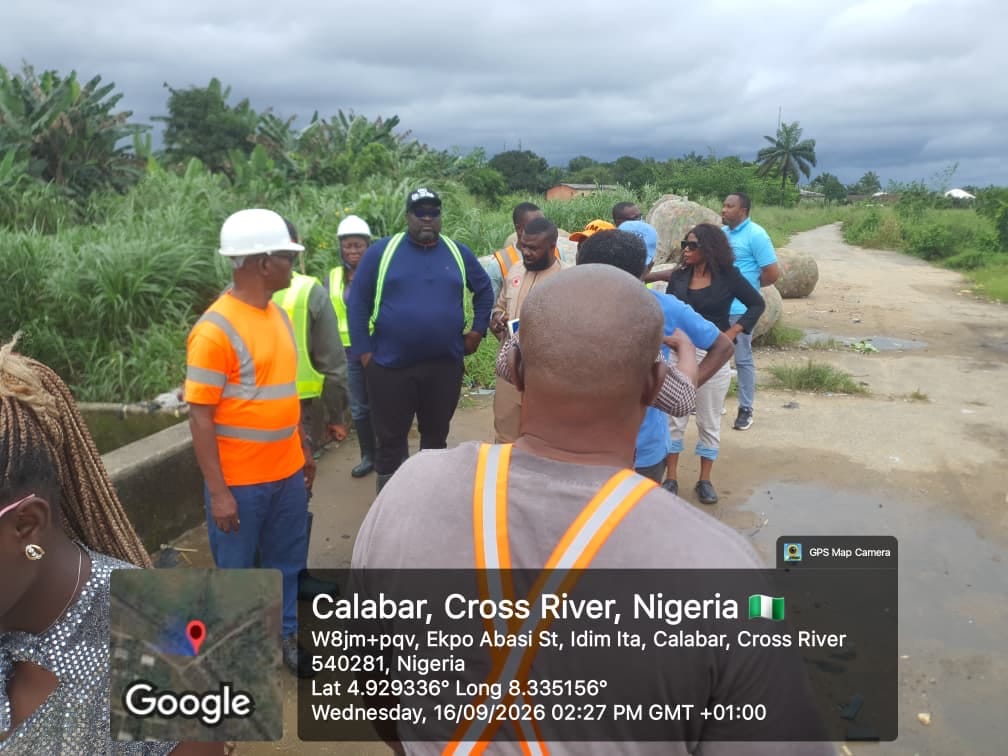
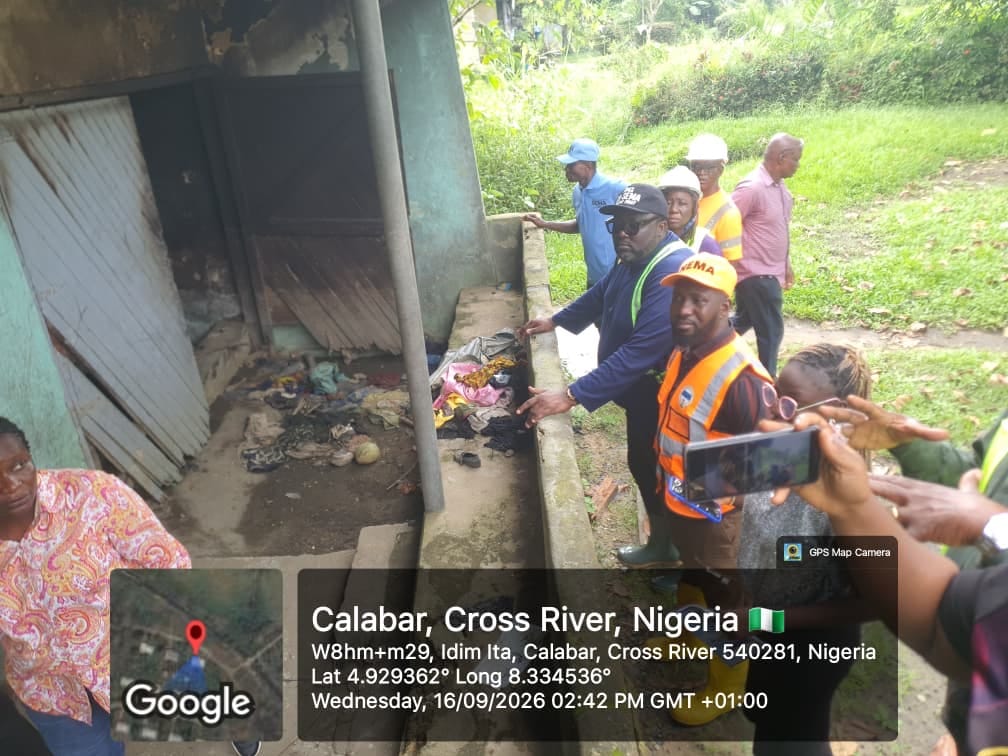
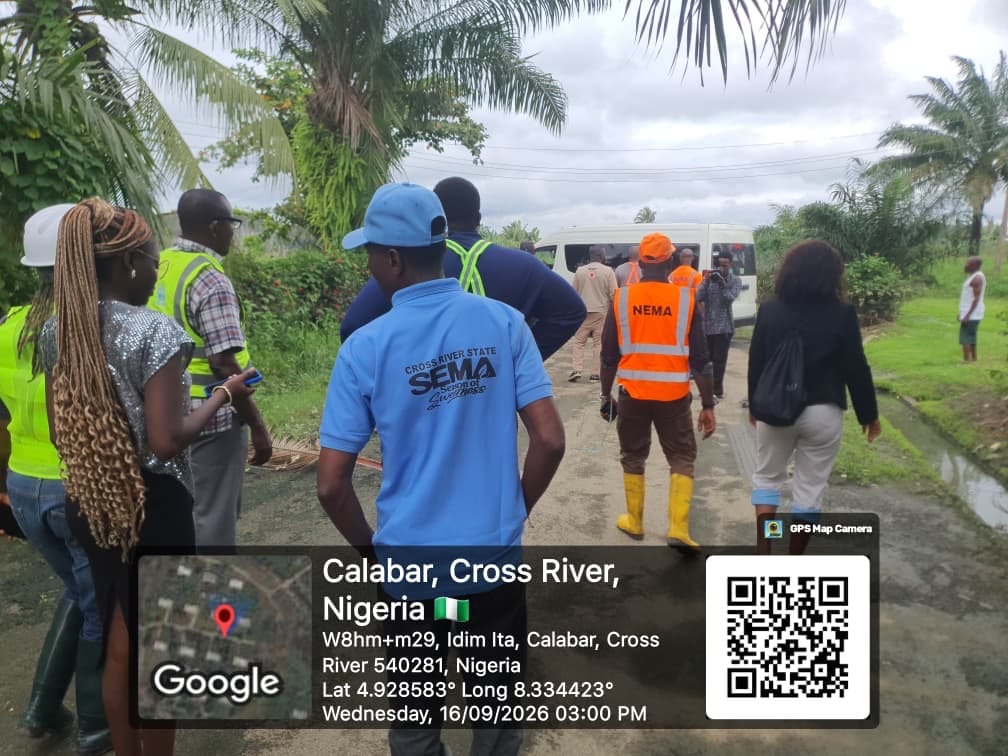
The DVC subsequently led the delegation to some of the affected drainage channels, where the team observed extensive siltation, blocked sections and damaged portions of the drainage infrastructure. In some locations, concrete structures lining the channels had collapsed, leaving sections open and allowing water to spill into surrounding areas.
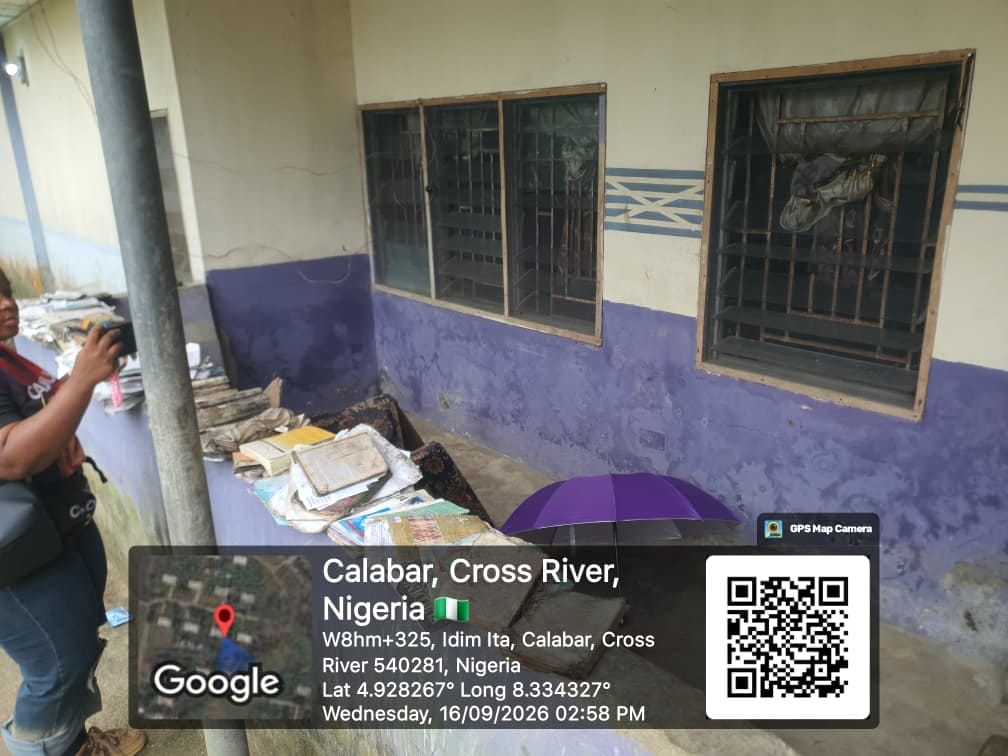
The inspection further showed that some sections of the drainage system appeared inadequate to contain the volume of water passing through them, pointing to the need for rehabilitation and possible expansion. The team also visited residential areas around the university where several houses affected by recurring flooding had reportedly been abandoned by occupants.
Speaking after the inspection, Nyong said the joint team had obtained a firsthand understanding of the situation and would work with NEMA to identify practical solutions. “We have seen the situation ourselves, and this gives us a clearer picture of what we are dealing with. CR-SEMA and NEMA will study these findings and work together to identify the appropriate interventions,” he said.
The CR-SEMA Director-General also disclosed that efforts were underway to bring in a swamp buggy to support the desilting of some of the blocked drainage channels. “We are looking at immediate measures, including bringing in a swamp buggy to assist with desilting where necessary so that we can improve the flow of water,” Nyong said.
The assessment established that the drainage system serves as an important waterway carrying runoff from several parts of Calabar, including areas around Marian, the Highway and major parts of Calabar South, before conveying the water towards the sea. Blockages, damaged structures and inadequate capacity have contributed to water overflow during periods of heavy rainfall.
Also speaking, NEMA Acting Head of Operations, Mr. Austin Awoji, said he had extensively observed the damage and would present the findings to the agency for further consideration. “We have seen the extent of the damage during this inspection. I will take the findings back to NEMA so that we can examine the situation and determine the necessary interventions,” he said.

By David Asu