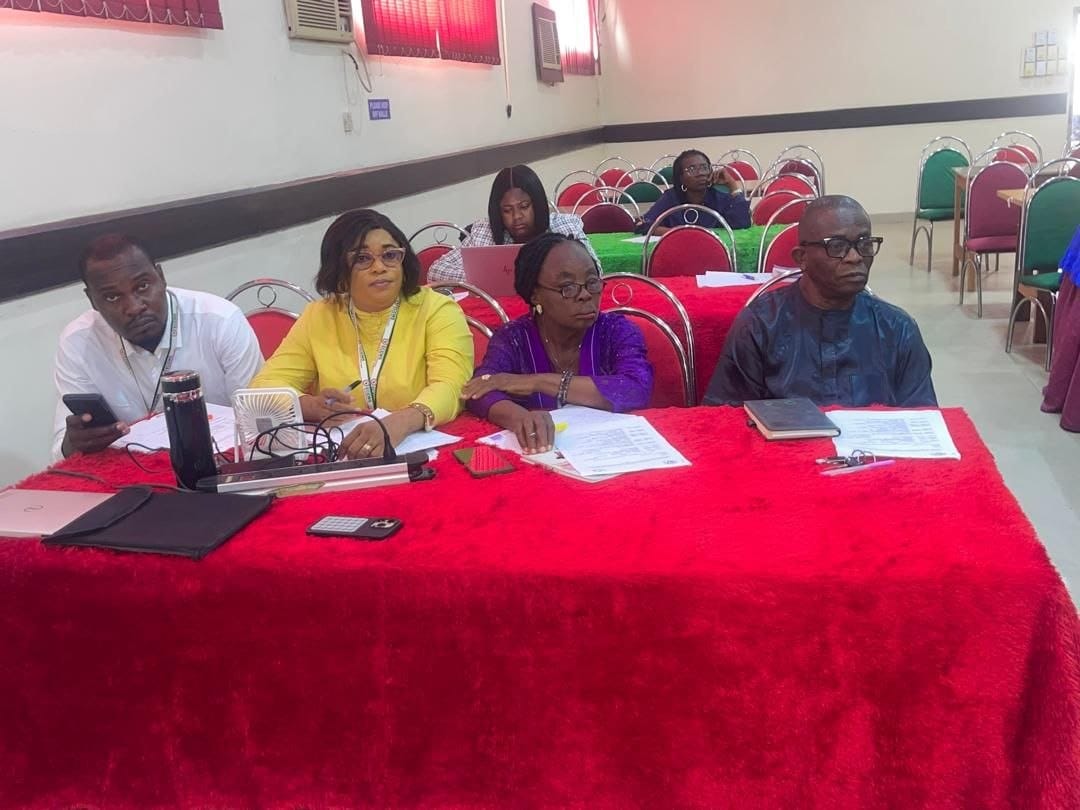

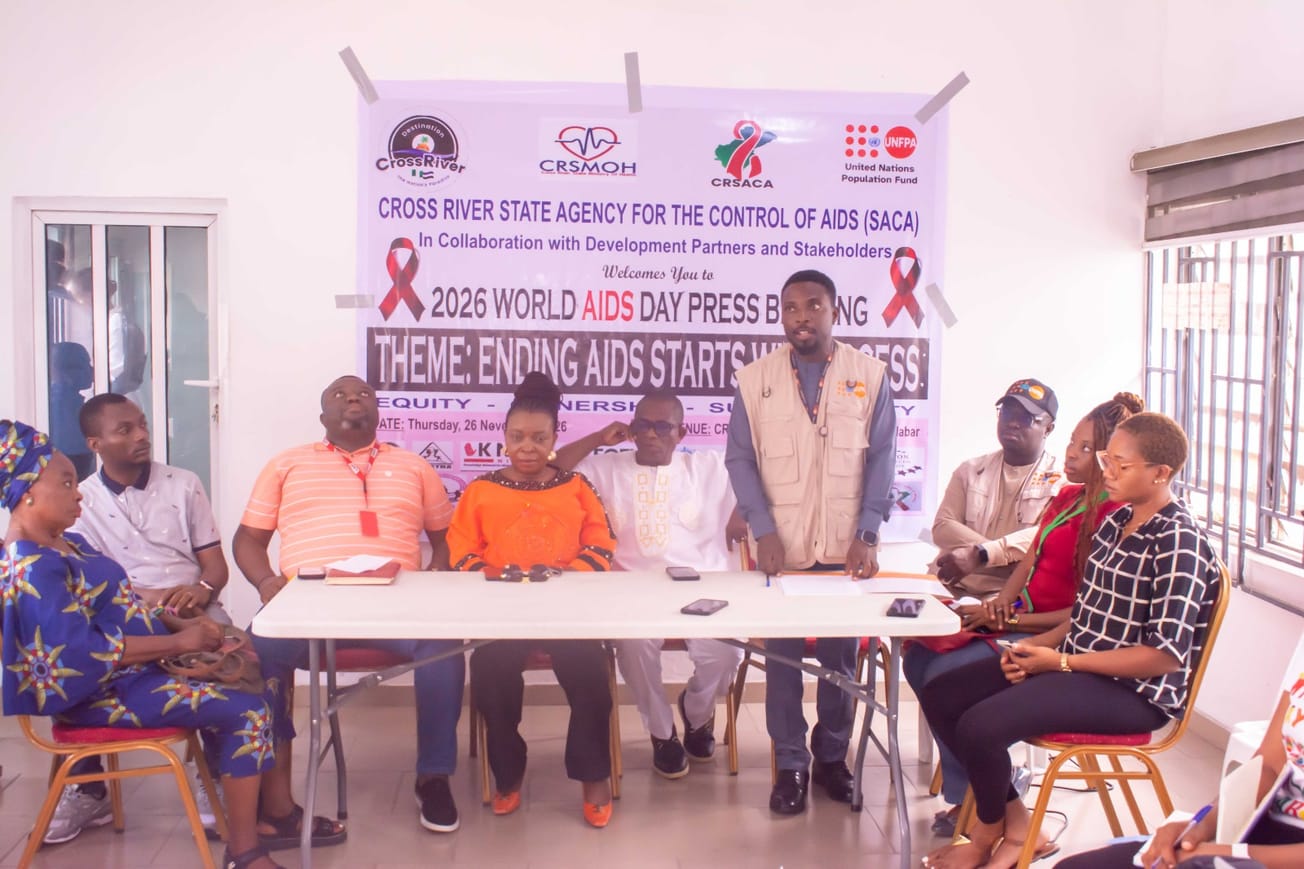
The Cross River State Agency for the Control of AIDS (CR-SACA) has reaffirmed its commitment to strengthening the state's HIV/AIDS response by widening access to prevention, testing, treatment and care. The pledge came as stakeholders gathered preparatory to mark the 2026 World AIDS Day.
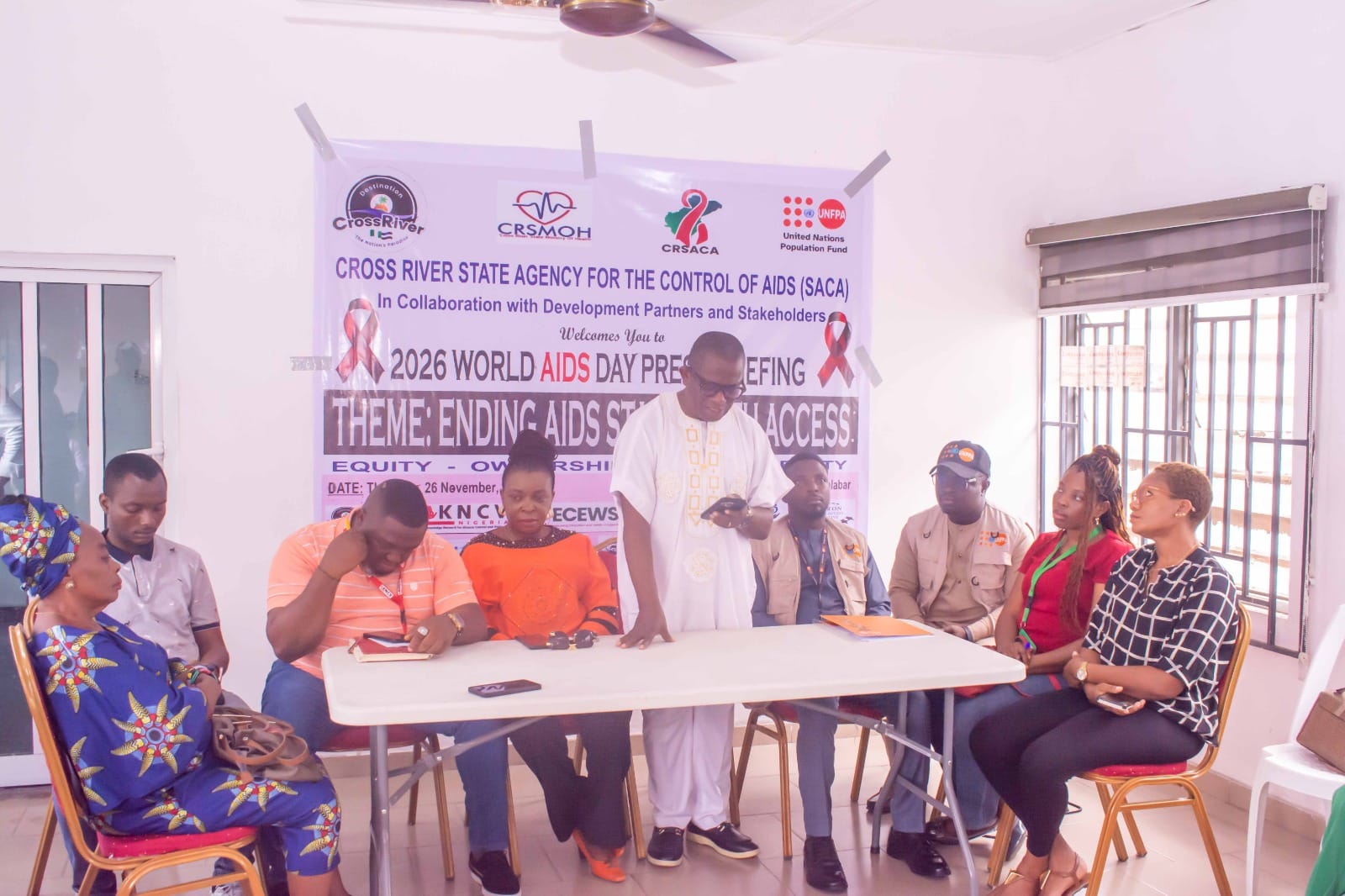
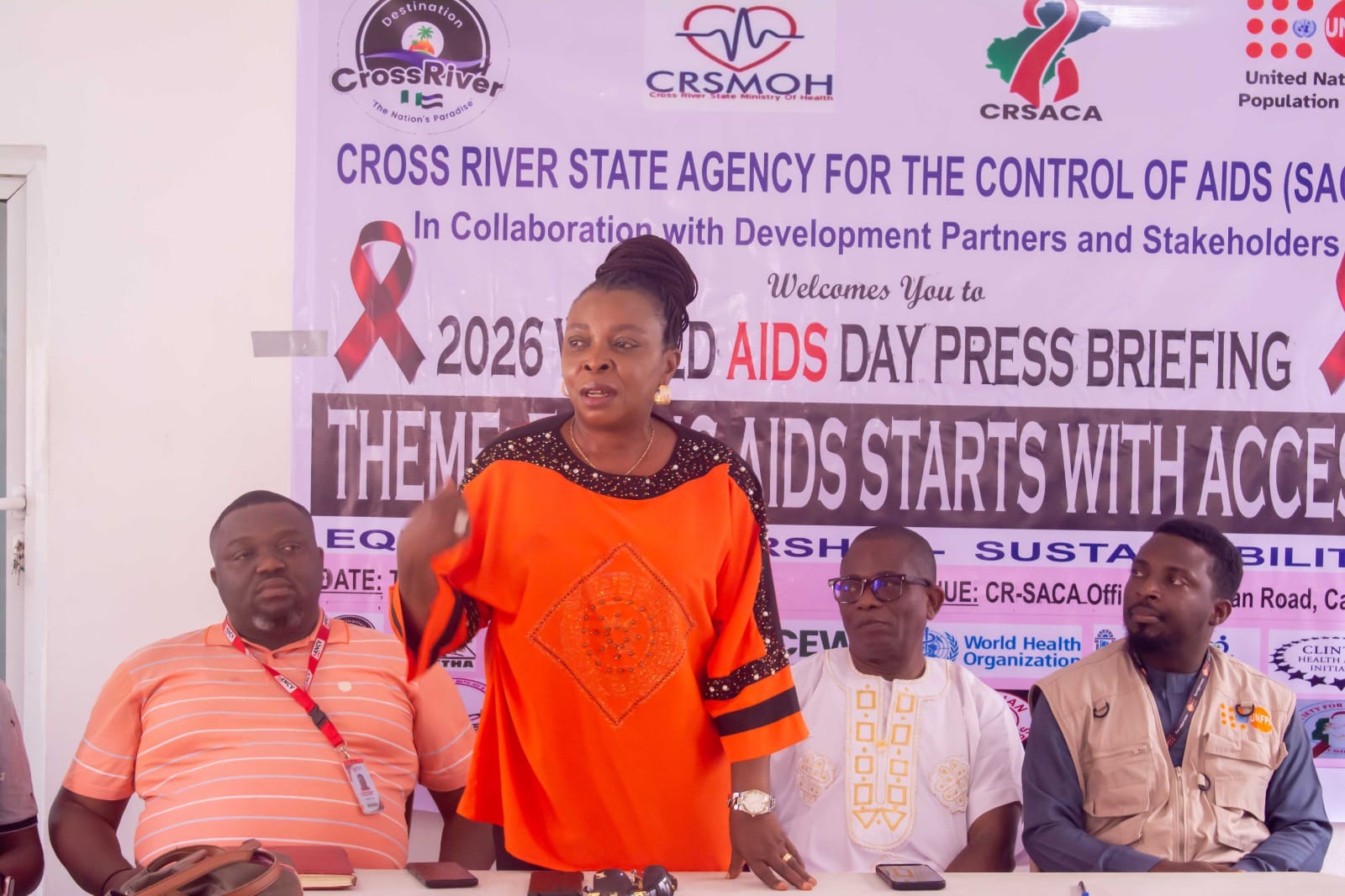
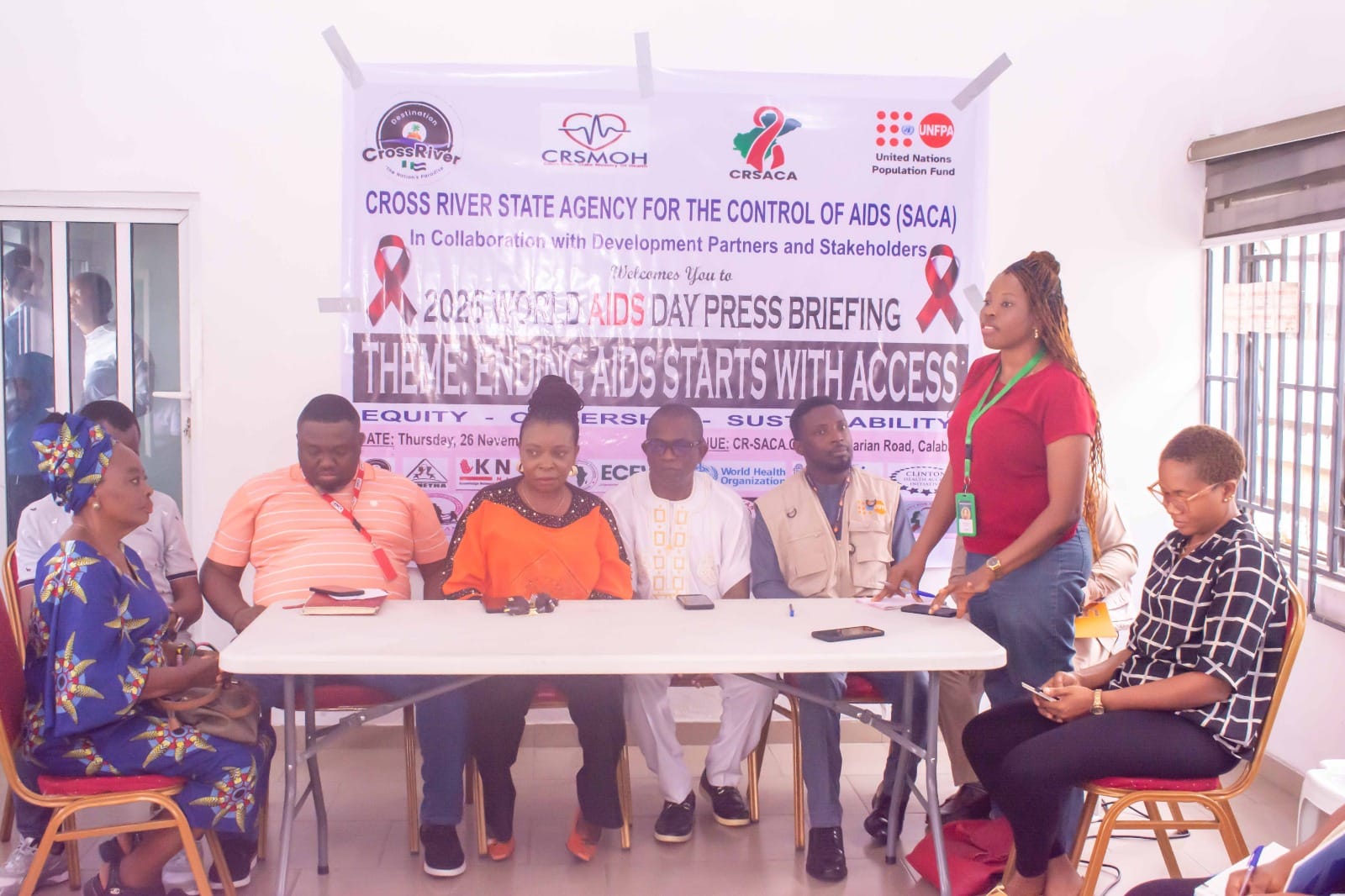
The commitment was made at a press briefing organised by CR-SACA and attended by government representatives, development partners, civil society organisations and members of the media.
The Director General of CR-SACA stressed the need for sustained collaboration, government ownership and collective responsibility in tackling HIV/AIDS, particularly among vulnerable populations.
This year's World AIDS Day theme, "Ending AIDS Starts with Access: Equity, Ownership and Sustainability," underscores the need to guarantee quality HIV services without stigma, discrimination or financial barriers.
Delivering goodwill remarks on behalf of the United Nations Population Fund (UNFPA), its Head of Office and Programme Coordinator, Dr Andrew Kirima, commended CR-SACA and its partners for convening the briefing. He said access to comprehensive HIV services remains essential to ending AIDS.
Dr Kirima advocated integrating HIV prevention into sexual and reproductive health services, including family planning, maternal health and adolescent- and youth-friendly programmes. He said this would expand access, reduce missed opportunities and make service delivery more sustainable.
He called for greater attention to adolescent girls, young women, persons with disabilities and other underserved groups, who often face barriers rooted in gender inequality, sexual and gender-based violence, poverty and discrimination. HIV services, he stressed, must be inclusive, confidential and accessible to all.
Dr Kirima urged the Cross River State Government, CR-SACA and other stakeholders to deepen collaboration, increase domestic resource mobilisation, ensure adequate budgetary allocations and sustain investment in HIV prevention, treatment and community-based services.
He also challenged the media to promote accountability, confront stigma and discrimination, and advocate higher government investment in HIV programmes.
The briefing ended with an interactive session in which other partners outlined their roles in advancing the cause. Journalists sought further clarification on HIV prevention, access to treatment and the state's response to the epidemic.
The session reinforced the central message of the day: "Ending AIDS starts with access, but achieving it requires integration, equity and collective responsibility."

Daniel Nsa