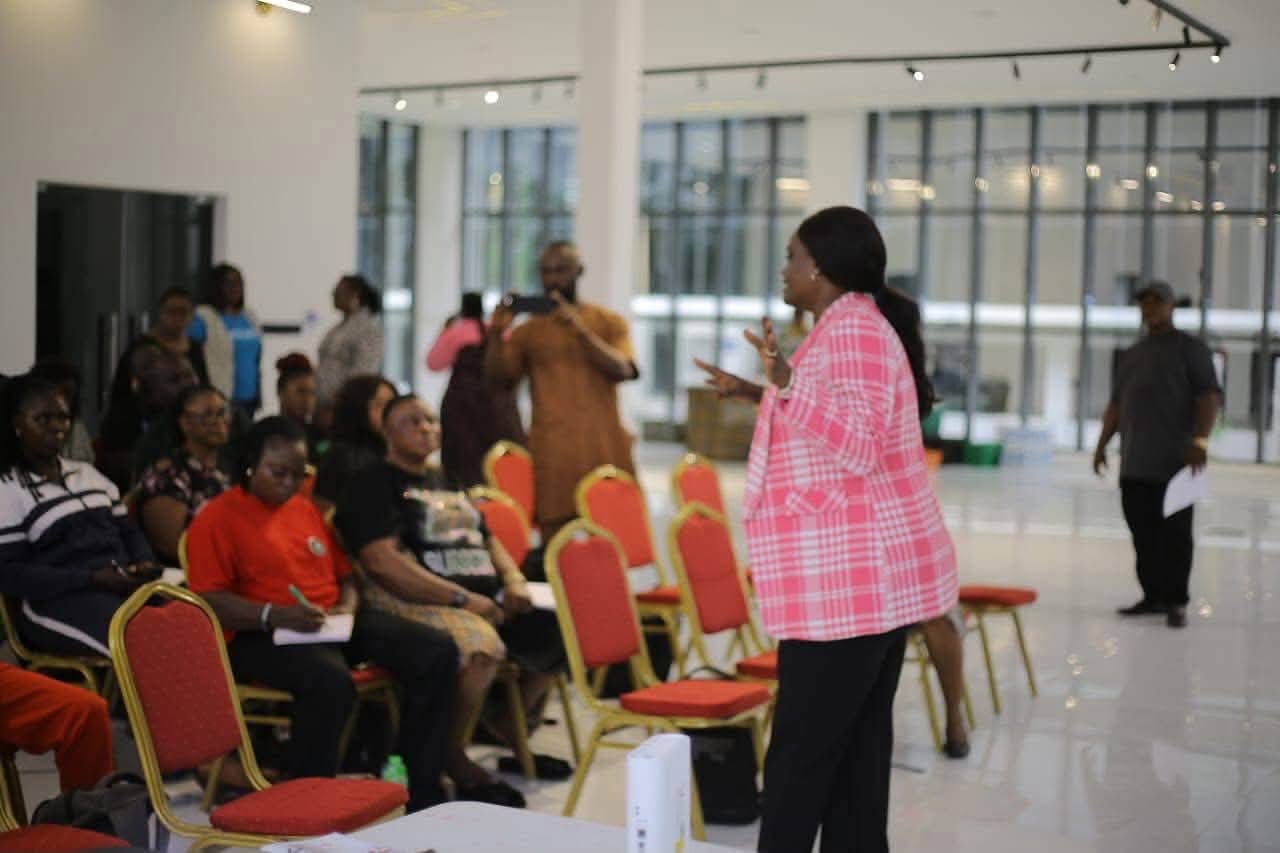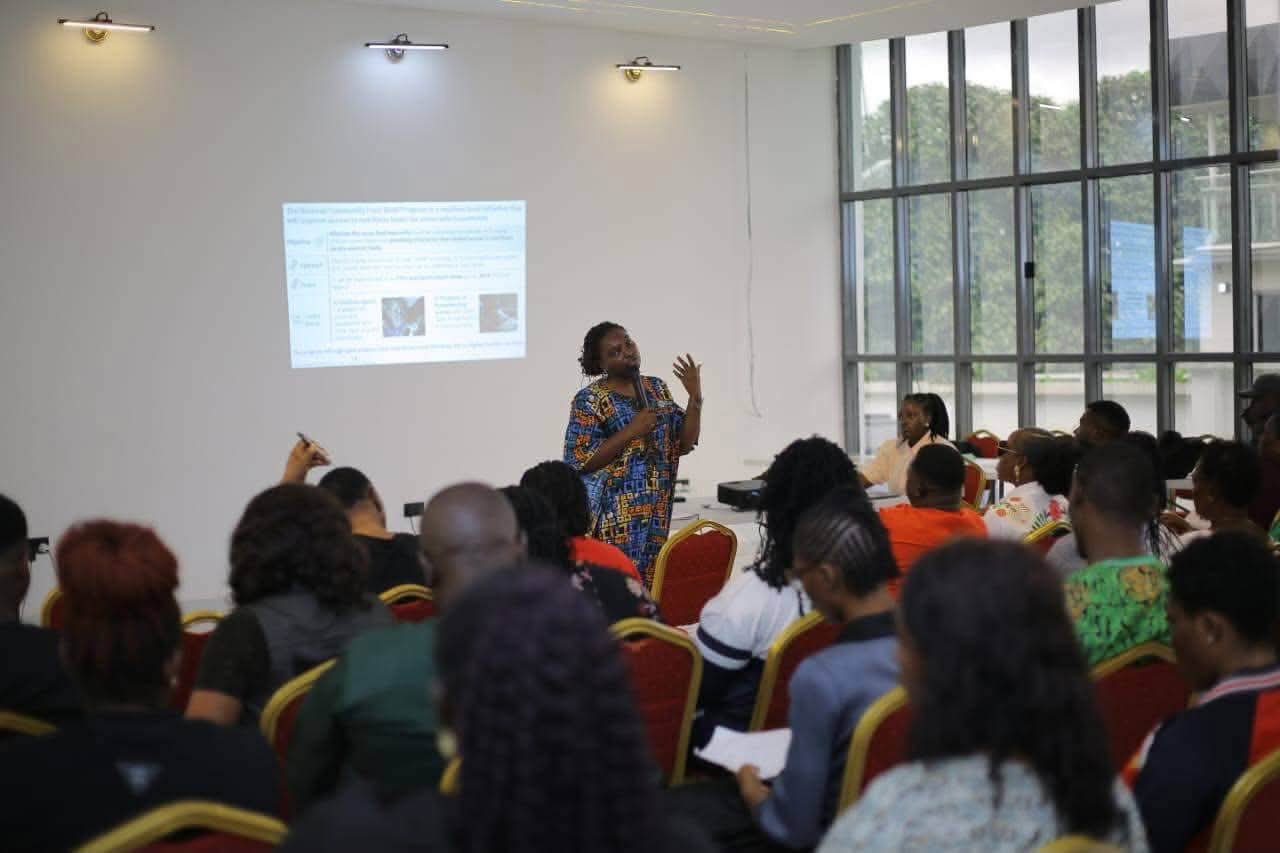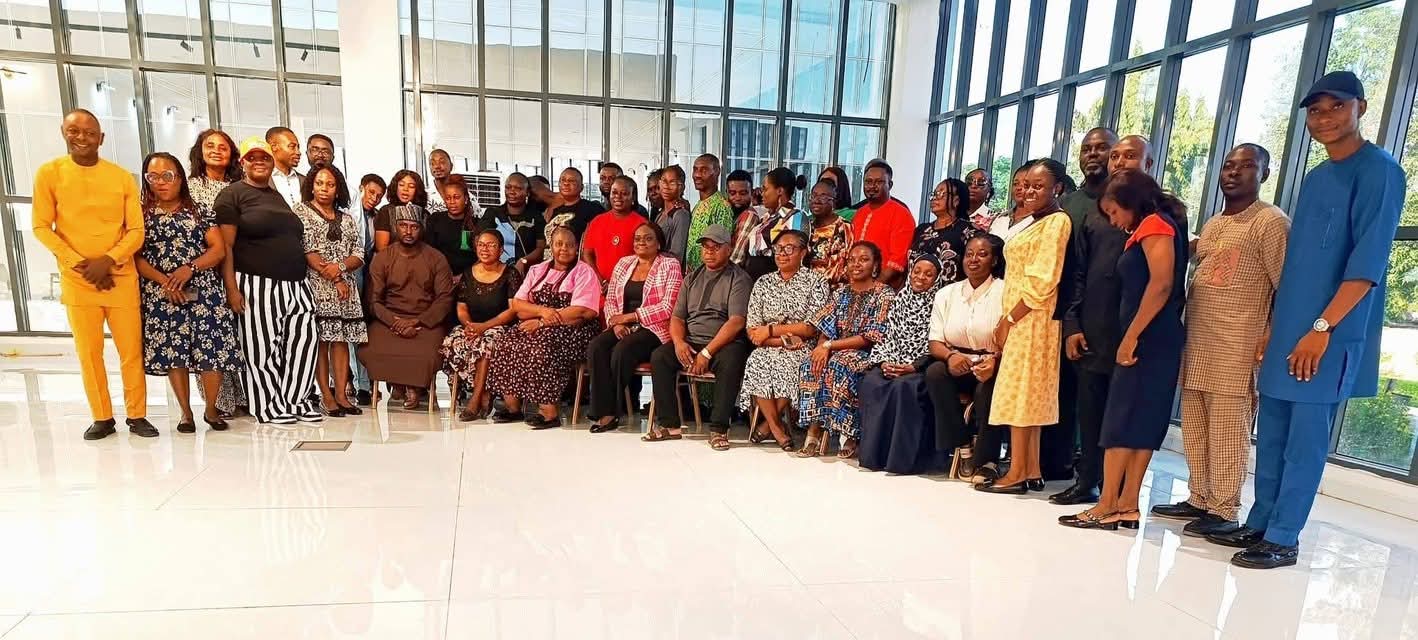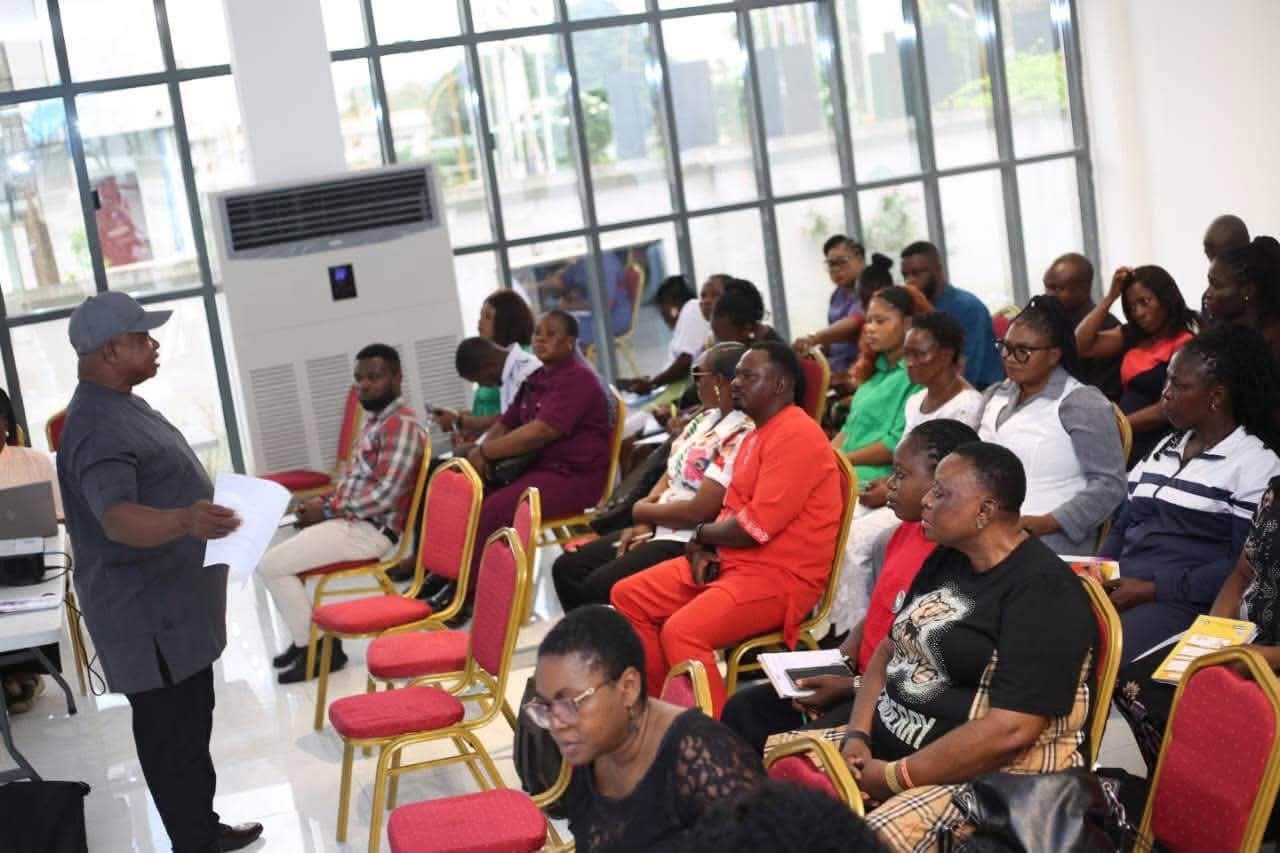

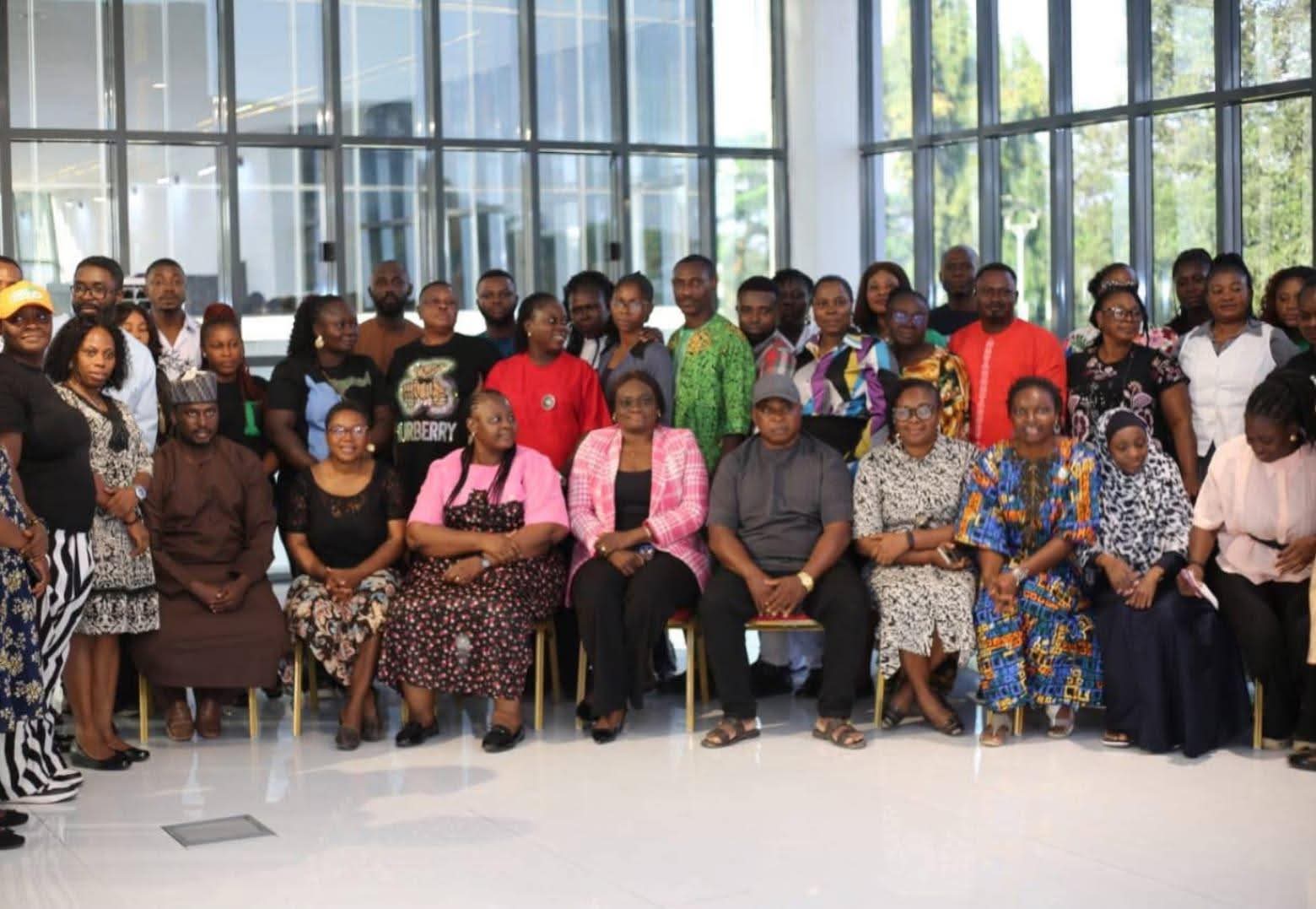
The Cross River State Government has intensified preparations for the rollout of its Food Bank Programme with the training of frontline health workers on effective screening and identification of vulnerable beneficiaries.
The two-day capacity-building exercise, organised in collaboration with the National Primary Health Care Development Agency (NPHCDA), is being led at the state level by the Director-General of the Cross River State Primary Health Care Development Agency (CRSPHCDA), Dr Vivien Mesembe Otu, as part of efforts to ensure the successful implementation of the programme.
The Food Bank Programme is designed to address malnutrition and improve the health and wellbeing of vulnerable households across the state, with particular attention to malnourished children aged zero to six years, pregnant women and lactating mothers.
Dr Otu said the training was aimed at equipping health workers with the knowledge and practical skills required to effectively support the programme and ensure that beneficiaries receive appropriate nutritional and health-related interventions.
She explained that health workers selected from Calabar Municipality, Ikom and Ogoja Local Government Areas were participating in the exercise, where they would be trained on beneficiary screening, identification of nutritional needs and the use of relevant digital tools for programme implementation.
According to her, strengthening the capacity of health personnel was essential to achieving the objectives of the Food Bank Programme, particularly in ensuring that assistance reaches the people who need it most.
Dr Otu urged the participants to take full advantage of the training and demonstrate commitment to the successful implementation of the intervention, describing the exercise as an important step towards building the requisite human capacity for the programme.
The National Team was led by the Director of Nutrition, NPHCDA, Dr Victoria Adebiyi, who explained that the programme was primarily focused on addressing the nutritional needs of vulnerable groups, particularly malnourished children, pregnant women and lactating mothers.
Dr Adebiyi stressed the importance of proper screening and accurate identification of beneficiaries, noting that health workers would play a critical role in ensuring that the intervention achieves its intended impact.
During the practical session, the Principal Medical Officer, NPHCDA, Dr Philippa Odiaka, trained participants on the proper use of the Mid-Upper Arm Circumference (MUAC) tape to screen children for acute malnutrition.
She demonstrated the correct procedure for taking MUAC measurements and identifying children who may require further assessment, while emphasising the need for accuracy and strict adherence to established guidelines.
The NPHCDA State Coordinator, Mr Okechukwu Christian, moderated the sessions and guided participants through the programme orientation and practical training on the Digital Beneficiary Platform.
Other members of the National Team who facilitated the training included Dr Jamilu Yunusa, Medical Officer; Florence Wakinde, Nutrition Officer; and Gloria Okolie, Nutrition Officer.
Participants also included UNICEF Nutrition Specialist, Dr Ngozi Onuora; Director of Nutrition, CRSPHCDA, Dr Winifred Ogar; Monitoring and Evaluation Officer, CRSPHCDA, Mrs Bassey Edet; BHCPF Desk Officer, Princess Ekaette Ekpenyong, and other relevant stakeholders.