
The Cross River State Government has declared that the state’s healthcare system is now more secure and sustainable than ever under the administration of Governor Bassey Otu, citing far-reaching reforms aimed at expanding access to quality, affordable healthcare for all residents.
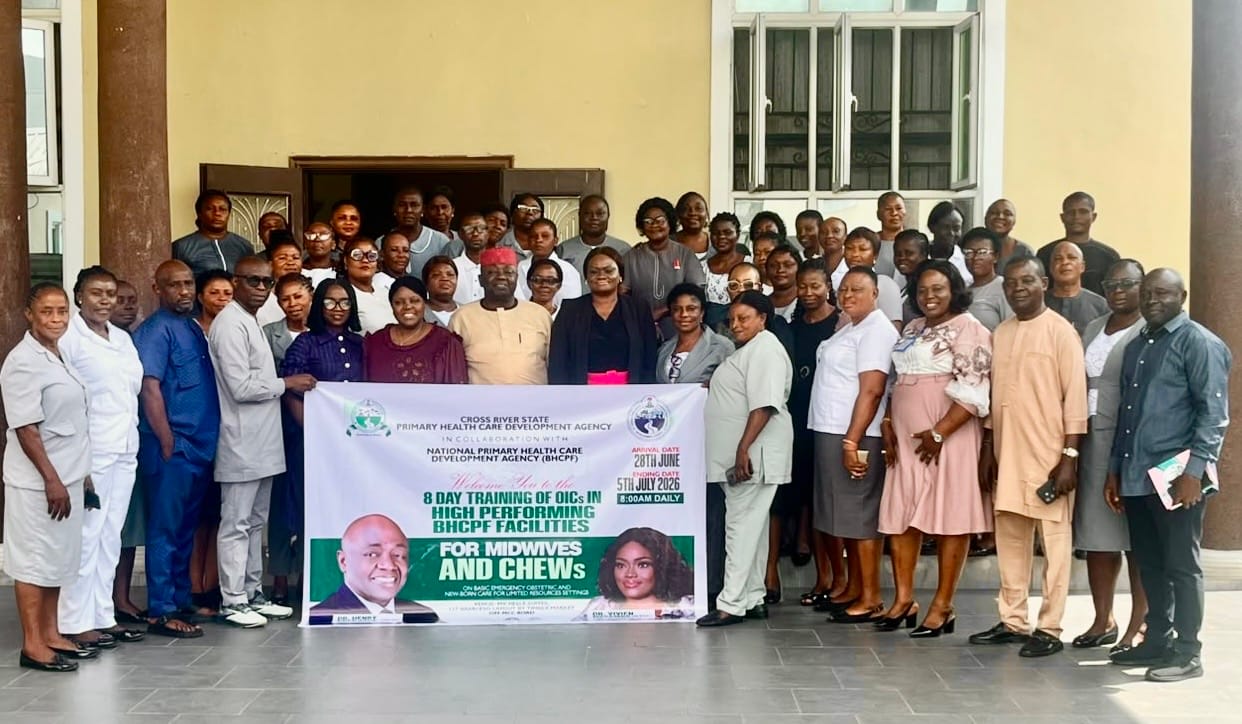
The State Commissioner for Health, Dr. Henry Egbe Ayuk, made the declaration, Tuesday, while flagging off a one-week training for heads of high-performing Primary Healthcare Centres, Midwives and Community Health Extension Workers (CHEWs) in Calabar. He said Governor Otu had laid a solid foundation for a performance-driven healthcare system that prioritises improved service delivery and long-term sustainability.
“The Governor has established a framework that is expanding health services, improving quality and making healthcare increasingly affordable to all segments of the population,” Dr. Ayuk said. “The framework includes lifting the employment embargo, recruiting new health workers, improving salaries and allowances, upgrading health facilities and putting in place the legal structures required for an efficient healthcare system.”
He explained that the reforms also include the establishment of the Drug Management Agency, Hospital Management Board, Quality and Anti-Quackery Services, as well as legislation to extend the retirement age of health professionals to 65 years and strengthen public health security across the state.
Dr. Ayuk disclosed that the administration is investing heavily in manpower development through the establishment and accreditation of four Colleges of Nursing, with plans to produce globally competitive Bachelor of Nursing graduates. He added that the proposed Specialist Hospital would lay the foundation for the state’s Medical College to train doctors and other healthcare professionals locally.
“The programmes have all reached advanced stages of implementation because Governor Otu is determined to build a self-sustaining healthcare system for Cross River,” he said, adding that the Governor “is too focused on delivering his mandate to be distracted by political jobbers and miscreants.”
Highlighting infrastructure development, the Commissioner said the government had completed the construction and rehabilitation of over 100 health facilities in the State including upgrading of other secondary sites to provide digital and internet connectivity, fistula repair units and medical oxygen services.
Also speaking, the Director General of the Cross River State Primary Health Care Development Agency, Dr. Vivien Mesembe Otu, directed all Primary Healthcare Centres to document and upload records of antenatal care, immunisation, clinical treatments and other services on the District Health Information System (DHIS2).
“All data must be uploaded to the DHIS2 system to ensure transparency and monitor progress in reducing maternal and neonatal mortality rates,” she said, stressing that compliance would determine continued funding and institutional support for health facilities.
The Director of Nursing Services, Mrs. Roseline Obojor-Ogar, urged health workers to uphold professionalism by placing patients at the centre of service delivery while strengthening collaboration with Traditional Birth Attendants through referrals, home visits and follow-up care.
Lead Facilitator, Prof. Patience Odusola, said the intensive training would equip participants with modern clinical skills through practical simulations and evidence-based medical protocols. “We need skilled health workers in our facilities to make this reduction in maternal and newborn mortality and morbidity happen,” she said.
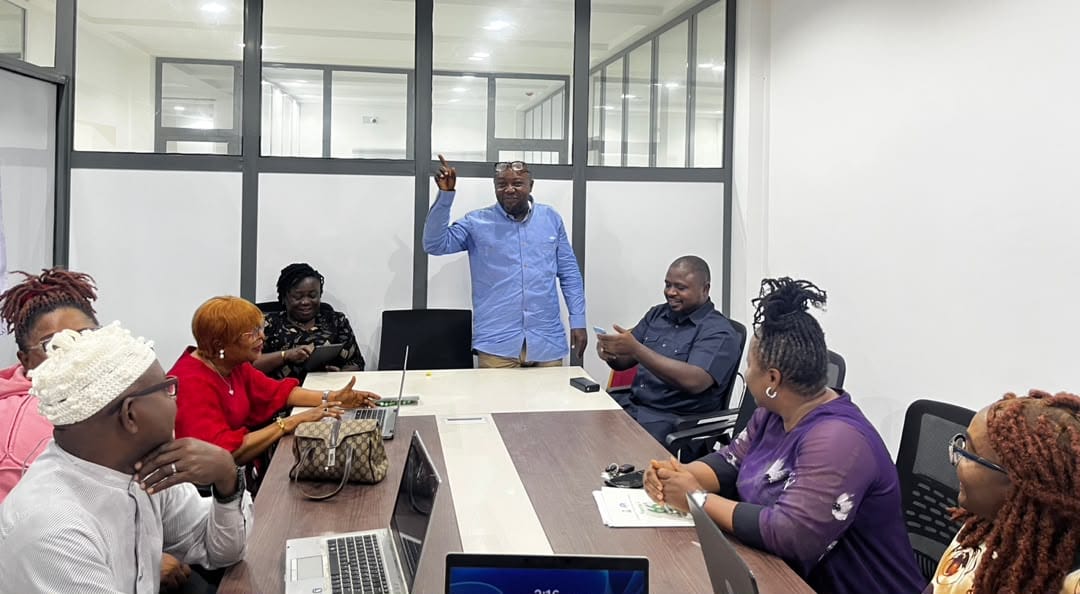
The training attracted participants from all 18 local government areas and was attended by the State Coordinator of the National Primary Health Care Development Agency, Mr. Christian Ikechukwu, alongside other senior health officials and facilitators committed to advancing healthcare delivery in Cross River State.
By Kingsley Agim